


Offcanvas top
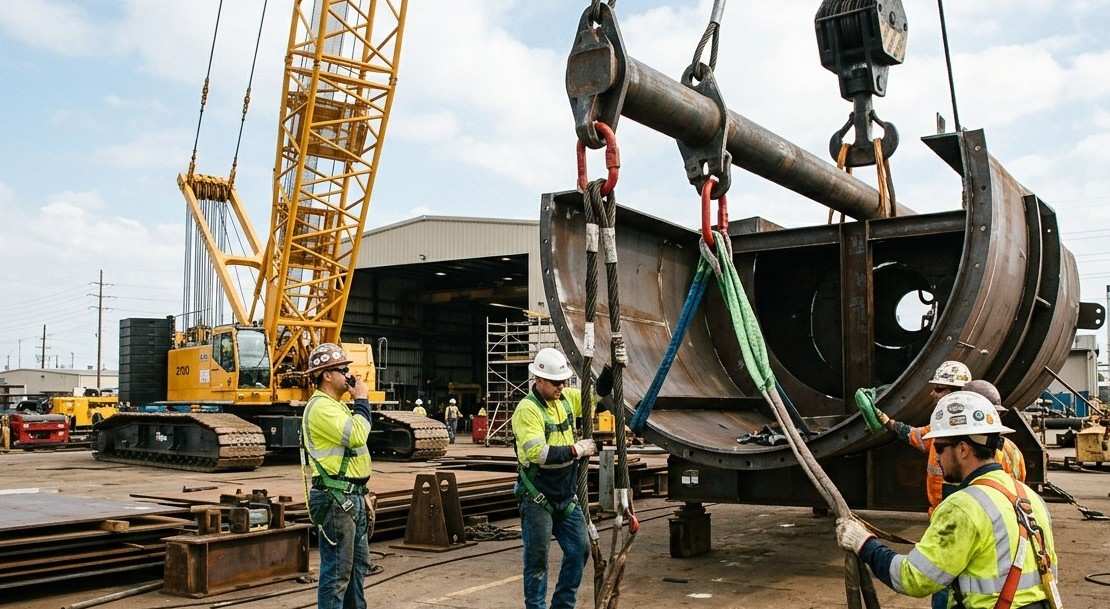
Understanding the Difference Between Lifting and Rigging
Anyone working around cranes, hoists or heavy loads has heard lifting and rigging used almost like they mean the same thing. On a busy site they get mixed up all the time, and treating them as one process is where a lot of safety gaps start.
Lifting and rigging are two separate stages of the same job. One prepares the load. The other moves it. Knowing where one ends and the other begins helps supervisors plan safer lifts, helps buyers pick the right gear and helps new workers understand what is happening around them.
What Lifting Actually Means?
Lifting is the physical act of raising, lowering or shifting a load using mechanical force. It is the part of the operation where a crane, hoist or forklift does the heavy work.
A few things define lifting on a job site.
- It always uses powered or mechanical equipment such as cranes, hoists, jacks or forklifts
- Every piece of lifting equipment has a rated load capacity that operators must respect
- Operators need proper training to judge balance, angle and load behaviour during the move
- Lifting plans usually include load testing and routine equipment checks before use
In short, lifting is the action. It cannot happen safely on its own though, because a load has to be properly attached and balanced first, and that is where rigging comes in.
What Rigging Actually Means?
Rigging is the preparation stage. It covers everything needed to attach a load securely to lifting equipment so it can travel without shifting, swinging or slipping.
A rigger looks at the shape, weight and centre of gravity of the load, then chooses the right combination of hardware to secure it. This includes slings, shackles, wire rope, chains, hooks and spreader bars.
Good rigging practice usually involves the following steps.
- Assessing the load for weight, shape and balance point
- Selecting hardware rated for that specific load
- Distributing weight evenly across attachment points
- Following a written rigging plan for complex or heavy lifts
- Inspecting slings and hardware for wear before every use
Rigging is what keeps a load stable once the crane starts moving it. Without correct rigging, even the strongest crane cannot guarantee a safe lift.
Lifting and Rigging Side by Side
The table below breaks down how the two processes differ in practice.
| Aspect | Lifting | Rigging |
|---|---|---|
| Main Role | Moves the load using mechanical force | Secures and balances the load before it moves |
| Typical Equipment | Cranes, hoists, forklifts, jacks | Slings, shackles, chains, hooks, spreader bars |
| Focus Area | Load capacity and safe operation of machinery | Load distribution and stable attachment |
| Skill Required | Trained crane or hoist operators | Trained riggers who understand load geometry |
| Timing in the Process | Happens after rigging is complete | Happens before lifting begins |
Common Equipment Used in Each Process
Sites rarely use one without the other, and most equipment falls clearly into one category.
Lifting equipment generally includes cranes, overhead hoists, forklifts and mobile elevated platforms, providing the raw force needed to move a load vertically or horizontally.
Rigging hardware includes wire rope slings, synthetic web slings, chain slings, shackles, eyebolts, turnbuckles and load binders, connecting the load to the lifting equipment and keeping it stable throughout the move.
For teams sourcing both categories from one place, a dedicated Lifting and Rigging Equipment Supplier makes it easier to match compatible hardware to your machinery instead of guessing at ratings from different brands.
Why the Two Have to Work Together
A crane rated for ten tonnes is useless if the sling attached to the load is rated for two. Likewise, perfectly rigged cargo will not move anywhere without the right lifting machine behind it.
Every successful lift depends on this handoff. The rigger prepares the load and confirms it is balanced and secured. The lifting equipment then does the actual raising, lowering or transporting. If either step is weak, the whole operation is at risk, regardless of how strong the other side is.
This is why supervisors check both sides of a lift plan, not just the crane specifications. Load weight, sling angle, attachment points and equipment capacity all have to line up before anyone gives the signal to lift.
Where Lifting and Rigging Matter Most?
These two processes show up constantly across heavy industry.
- Construction sites rely on rigging to secure steel beams and precast panels before cranes lift them into place
- Manufacturing plants use both for loading and unloading raw materials and finished goods
- Ports and shipping yards depend on rigging to secure containers before ship cranes move them
- Oil and gas operations use rigging extensively when transporting equipment to offshore or remote locations
- Marine operations lean on both when loading heavy components onto vessels, an area closely tied to the systems covered in our article on storm valves in marine industries
In every case, the sequence stays the same. Secure first, then lift.
Choosing the Right Equipment for Your Site
Picking equipment for either process comes down to a few practical checks.
Start with the load itself. Know its weight and centre of gravity, then match rigging hardware to the lifting equipment’s rated capacity, never the other way around.
Certification matters too, since equipment that meets recognised standards gives you a paper trail for audits and a real safety margin on site, a principle we also cover in our post on safety valve insights for UAE industrial processes.
For a full walkthrough of the selection process from load assessment to final positioning, our Ultimate Guide to Lifting and Rigging Equipment breaks it down step by step.
Conclusion
Lifting and rigging are not competing terms. They are two connected halves of the same operation, and understanding where one stops and the other starts makes every lift more predictable and every crew safer on site.
For certified lifting and rigging equipment and expert guidance across the UAE and GCC, FW Trading LLC stocks a complete range built for demanding industrial use.
Ready to get started? Reach out to our team today for technical advice or a fast quote.
Expert Guides on Industrial Insights
If you want to deepen your understanding of industrial equipment, material handling, and engineering best practices, explore these related articles.
- What Are Clamps? A Comprehensive Guide to Types and Uses – A breakdown of clamp types used to hold and stabilise materials during industrial tasks.
- Which High Pressure Valves Are Best for Oil and Gas – Choosing the right high pressure valves for safe and efficient operations.
- Common Welding Mistakes and How to Avoid Them – Practical safety and quality tips for fabrication work on industrial sites.
- Grooved Pipe Fittings for Fire Protection Systems in UAE – A look at reliable grooved fittings used across UAE fire protection installations.
- How to Choose Buttweld Fittings for UAE Construction Projects – Expert tips for selecting durable buttweld fittings on construction sites.
Popular Posts
March 22, 2024
March 28, 2024
April 22, 2024
April 30, 2024
