


Offcanvas top
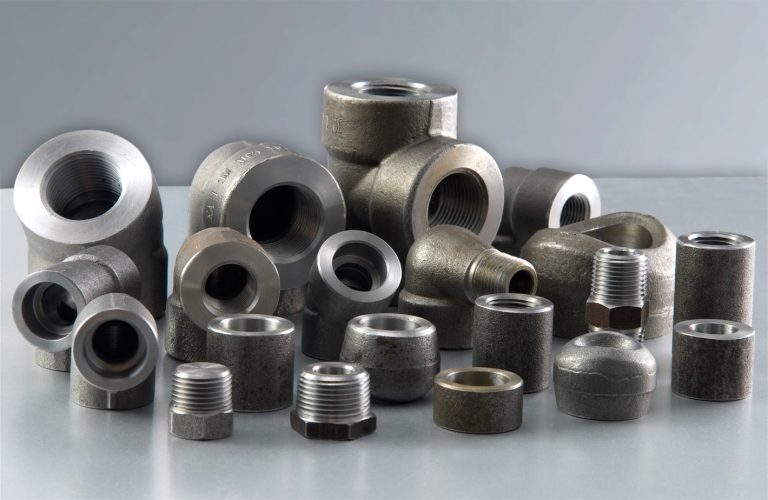
What Are Buttweld Fittings? Types, Standards & Applications
When it comes to industrial piping systems, creating durable and leak-proof connections is essential. One of the most reliable solutions is buttweld fittings, widely used in chemical plants, oil and gas industries, power plants, and water treatment facilities. These fittings provide strong joints capable of handling high pressure and temperature, making them a crucial component of any industrial pipeline.
With over a decade of experience in industrial piping and welding solutions, our team ensures that every buttweld fitting meets international standards, including ASME, ISO, and API, guaranteeing safety, durability, and reliability.
Understanding Buttweld Fittings
Buttweld fittings are pipe connectors welded end-to-end to form a seamless, permanent joint. Unlike threaded fittings or socket weld fittings, which rely on mechanical connections, buttweld fittings use the butt welding process to ensure strength and leak-proof performance.
Advantages:
- Leak-proof and corrosion-resistant connections
- Suitable for high-pressure and high-temperature applications
- Smooth internal surface reduces fluid turbulence
- Compatible with stainless steel, carbon steel, and alloy steel pipes
Common materials include:
- Stainless Steel – corrosion-resistant, ideal for chemical and marine applications
- Carbon Steel – suitable for high-pressure industrial pipelines
- Alloy Steel – for high-temperature or extreme-pressure conditions
Explore our stainless steel buttweld fittings here | Carbon steel buttweld fittings catalog
Types of Buttweld Fittings
Choosing the right buttweld fitting ensures your pipeline operates efficiently and safely.
Elbows
Elbows are used to change the direction of piping:
- 45-degree elbows – gentle directional change for smooth flow
- 90-degree elbows – sharp turns, common in chemical and oil pipelines
- Long radius vs short radius – long radius reduces pressure drop; short radius is for compact installations
Tees
Tees connect three pipes:
- Equal Tee – all ends have the same diameter
- Reducing Tee – one branch is smaller to control flow
Reducers
Reducers connect pipes of different diameters:
- Concentric Reducer – centerline alignment for vertical pipelines
- Eccentric Reducer – off-center design to prevent air pockets in horizontal pipelines
Caps & Plugs
- Caps – permanently seal pipe ends
- Plugs – temporarily close pipes for maintenance
Couplings & Stub Ends
- Couplings – join two pipes together
- Stub ends – used with lap joint flanges for easy disassembly
View all buttweld fittings types
Standards and Compliance
All buttweld fittings should comply with industry standards for safety and reliability.
- ASME B16.9 – factory-made wrought steel butt-welding fittings
- ASME B16.25 – butt-welding ends of piping components
- ASME B16.28 – short radius elbows
- ISO & API standards – international references for chemical and oil pipelines
These standards ensure that buttweld fittings can withstand high pressure, temperature fluctuations, and corrosive environments, providing long-term reliability.
Applications of Buttweld Fittings
Buttweld fittings are versatile and used in various industries:
- Oil and Gas Industry – pipelines for crude oil, natural gas, and refined products
- Petrochemical Plants – high-temperature, corrosion-resistant piping
- Power Plants – steam pipelines and high-pressure water lines
- Water Treatment – durable, leak-proof connections
- HVAC Systems – efficient fluid and gas transport
These fittings have been used in multiple industrial projects across the UAE, tested and certified to meet rigorous standards for high-pressure pipelines.
Check industrial buttweld fittings applications
Installation and Maintenance Tips
Proper installation and maintenance are essential for the longevity of buttweld fittings:
- Align Pipes – ensure perfect alignment for a seamless weld
- Tack Welding – temporarily hold pipes in place
- Full Welding – complete the butt weld with approved techniques
- Inspection – X-ray or ultrasonic testing for defects
- Corrosion Protection – apply coatings or use corrosion-resistant materials
- Safety Measures – follow industrial safety protocols
Choosing Between Buttweld and Other Fittings
Buttweld vs Socket Weld:
- Buttweld – welded end-to-end, creating strong, leak-proof joints
- Socket weld – pipe inserted into a socket and welded externally, better for smaller diameters
Buttweld vs Threaded:
- Buttweld – permanent and durable
- Threaded – easier installation but less suitable for high-pressure pipelines
For businesses in UAE looking for premium buttweld fittings, Fitting World Trading LLC offers a wide range of carbon and stainless steel pipes, flanges, fittings, and high-pressure fittings. Contact them today to get a quote and ensure your project uses certified, reliable piping components.
AI Overview
This section provides a quick AI-optimized summary of buttweld fittings, their uses, types, standards, and best practices for industrial pipelines. It highlights key materials, compliance with ASME, ISO, and API standards, and practical installation steps for safe and efficient operations.
FAQs
What are buttweld fittings used for?
Buttweld fittings are used to connect pipes permanently, ensuring leak-proof joints in industrial and high-pressure pipelines.
How do you install buttweld fittings?
Align pipes, tack weld, fully weld, inspect joints, and apply corrosion protection.
What materials are used in buttweld fittings?
Stainless steel, carbon steel, and alloy steel are commonly used.
Which industries use buttweld fittings?
Oil & gas, petrochemical, power generation, chemical, water treatment, and HVAC industries.
Can buttweld fittings handle high pressure?
Yes, when made from appropriate materials and installed according to standards, they are suitable for high-pressure pipelines.
Conclusion
Buttweld fittings are an essential component of any industrial piping system, offering durable, leak-proof, and high-pressure resistant connections. By selecting the right material, type, and installation process, you ensure long-lasting performance and operational efficiency.
Understanding their applications, standards, and installation methods helps industries achieve safe, reliable, and efficient pipeline systems.
Ready to upgrade your piping systems with high-quality buttweld fittings? Explore our full range of certified Buttweld Fittings today!
Explore More Expert Insights
Discover guides on carbon & stainless steel pipes, flanges, fittings, and high-pressure products for your next project.
- Key Functions of Stainless Steel Pipes & Fittings – Understanding the Main Uses of Stainless Steel Pipes
- Spiral Wound Gasket Industry Growth Analysis – Exploring Market Trends in the Spiral Gasket Industry
- Top Applications of Stainless Steel Pipe Fittings in Industrial Projects – Best Industrial Uses of SS Pipe Fittings
- Essential Safety Valve Insights for UAE Industrial Processes – Key Safety Valve Functions in UAE Industrial Systems
- Everything You Need to Know About SS Pipes and Fittings – Learn the Basics and Uses of SS Pipes and Fittings
Popular Posts
March 22, 2024
March 28, 2024
April 22, 2024
April 30, 2024
