


Offcanvas top
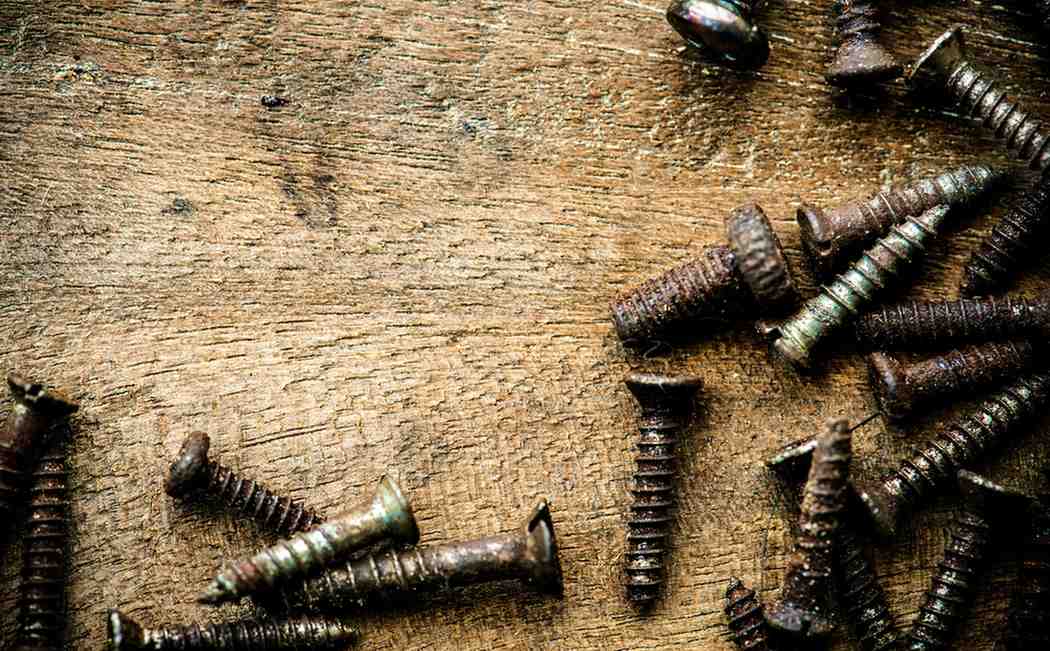
Common Fastener Failures and How to Prevent Them
Fasteners such as bolts, screws, nuts, and anchors are small components, yet they play a vital role in construction, manufacturing, industrial machinery, and marine applications. They hold structures and equipment together, ensuring stability and safety.
Despite their importance, fasteners can fail due to various factors, leading to costly repairs, operational downtime, or safety hazards. Understanding common fastener failures and taking preventive steps is crucial for engineers, contractors, and maintenance teams.
This guide explores the most frequent causes of fastener failure, including corrosion, fatigue, over-tightening, vibration loosening, improper selection, and galling, along with practical strategies to prevent them.
Corrosion-Induced Fastener Failure
Corrosion is a major reason for fastener failure, especially in coastal regions, humid environments, and industrial settings. Exposure to moisture, salt, chemicals, or temperature extremes can compromise fastener strength. Rust and corrosion weaken bolts and screws, reduce clamping force, and may ultimately lead to structural failure.
Prevention tips for corrosion-related failure
- Use corrosion-resistant fasteners or stainless steel bolts in outdoor and marine projects.
- Apply protective coatings such as zinc plating, hot-dip galvanizing, or Dacromet coating.
- Use dielectric barriers or isolating washers to prevent galvanic corrosion when joining different metals.
- Inspect fasteners periodically and replace any showing rust or material loss.
Proper material selection and coating can greatly increase the lifespan of fasteners in harsh conditions.
Fatigue Failure in Fasteners
Fatigue failure occurs when fasteners face repeated cyclic loads or dynamic stress. This type of failure is common in industrial machinery, vehicles, and structures exposed to vibrations. Fatigue cracks often originate at stress points near thread roots and gradually propagate until sudden fracture occurs.
Preventive measures for fatigue failure
- Use fatigue failure fasteners or high tensile bolts for heavy-duty applications.
- Ensure proper preload and torque during installation to minimize stress concentration.
- Design assemblies with smooth transitions and larger fillet radii where possible.
- Protect fasteners from corrosion fatigue in humid or corrosive environments.
Fatigue-resistant fasteners are particularly important for marine-grade hardware, structural steel, and industrial machinery.
Over-Tightening and Thread Stripping
Over-tightening is a common installation error that can strip threads, damage materials, and reduce joint strength. Thread stripping prevents fasteners from maintaining clamping force and may result in loosening or failure.
How to prevent over-tightening
- Always use a torque wrench for fastener installation and follow manufacturer specifications.
- Avoid using impact drivers on critical fasteners unless torque-limiting tools are employed.
- Use high-quality certified fasteners to ensure proper thread standards.
- Inspect threads before installation, and consider thread inserts for soft materials.
Controlling torque correctly ensures durable and reliable fastening in all projects.
Vibration-Induced Loosening
Fasteners in automotive, industrial machinery, and heavy equipment are often exposed to vibrations and dynamic loads. Over time, this can cause bolts and nuts to loosen, reducing clamping force and endangering structural integrity.
Prevention strategies
- Use vibration-resistant lock nuts or locking fasteners in areas prone to vibration.
- Apply thread-locking compounds to resist rotational movement while allowing maintenance.
- Ensure proper torque and preload during installation.
Selecting the right fasteners and considering vibration effects ensures secure connections in machinery and construction projects.
Improper Fastener Selection
Choosing the wrong fastener for a material or application is a critical cause of failure. For example, using a standard steel screw on treated timber or a wood screw on metal framing can result in corrosion, stripped threads, and weakened structures.
Tips for proper selection
- Match fastener material to substrate and environmental conditions.
- Use stainless steel, galvanized, or coated fasteners in outdoor or humid areas.
- Verify load-bearing capacity and mechanical specifications before installation.
Correct fastener selection ensures long-term performance, reduces maintenance costs, and prevents failures across construction, industrial, and marine projects.
Galling and Seizing
Galling occurs when threads cold-weld together during installation, preventing proper rotation and causing thread damage. This often happens with ductile metals like stainless steel or titanium when fasteners are over-tightened or installed too quickly.
Preventive measures
- Apply anti-seize lubricant to threads before installation.
- Reduce installation speed to minimize heat from friction.
- Use fasteners of different material grades to reduce adhesion.
- Clean and inspect threads before installation.
Preventing galling ensures smooth installation and protects critical fasteners in industrial and heavy-duty applications.
Regular Maintenance and Inspection
Even correctly installed fasteners can fail without regular maintenance. Routine inspections detect early signs of wear, corrosion, or loosening.
Maintenance best practices
- Perform visual inspections and check torque on critical fasteners.
- Replace fasteners showing corrosion, cracks, deformation, or fatigue.
- Maintain documentation of fastener types, installation dates, and inspections.
A proactive maintenance program prevents unexpected failures and extends the life of fasteners in industrial, construction, and marine applications.
FAQs
What causes common fastener failures?
Fastener failures usually happen due to corrosion, fatigue, over-tightening, vibration loosening, or improper installation. Choosing the right fastener and following proper torque guidelines can prevent most issues.
How can I prevent corrosion in fasteners?
Use corrosion-resistant fasteners like stainless steel or coated bolts and apply protective coatings. Regular inspections help detect rust early and maintain structural integrity.
What is fatigue failure and how can it be avoided?
Fatigue failure occurs when fasteners endure repeated stress or vibrations. Prevent it by using high tensile bolts, proper torque, and fatigue-resistant designs for long-lasting performance.
How do I avoid thread stripping or over-tightening?
Always use a torque wrench for fastener installation, follow manufacturer torque specifications, and inspect threads before use. Proper installation maintains joint strength and prevents failures.
AI Overview
Learn about common fastener failures including corrosion, fatigue, and over-tightening, and discover practical prevention tips for durable bolts, screws, and industrial fasteners.
Conclusion
Fasteners are small yet crucial components that ensure the safety, durability, and reliability of structures and equipment. Understanding common fastener failures such as corrosion, fatigue, over-tightening, vibration loosening, improper selection, and galling, along with implementing preventive strategies, is essential for engineers, contractors, and maintenance teams.
Using corrosion-resistant fasteners, high tensile bolts, fatigue failure fasteners, and vibration-resistant lock nuts, following proper torque installation, and performing routine inspections reduces failure risks. Correct selection of fasteners for marine-grade hardware, industrial machinery bolts, and structural fasteners for heavy machinery ensures long-term performance and safety.
If you need reliable fasteners in Dubai, Fitting World Trading LLC is a leading supplier. Call today to get high-quality bolts, screws, and industrial fasteners.
Explore More Expert Insights
Discover guides on carbon & stainless steel pipes, flanges, fittings, and high-pressure products for your next project.
- Key Functions of Stainless Steel Pipes & Fittings – Understanding the Main Uses of Stainless Steel Pipes
- Top Pipes & Fittings Suppliers in UAE – Top Pipes and Fittings Suppliers in UAE with Trusted Quality
- Top Applications of Stainless Steel Pipe Fittings in Industrial Projects – Best Industrial Uses of SS Pipe Fittings
- What Are Buttweld Fittings? Types, Standards & Applications – Explore buttweld fittings types and application
- Ultimate Guide to Types of Expansion Joints in Construction – Learn the basic types of expansion joints.
Popular Posts
March 22, 2024
March 28, 2024
April 22, 2024
April 30, 2024
