


Offcanvas top
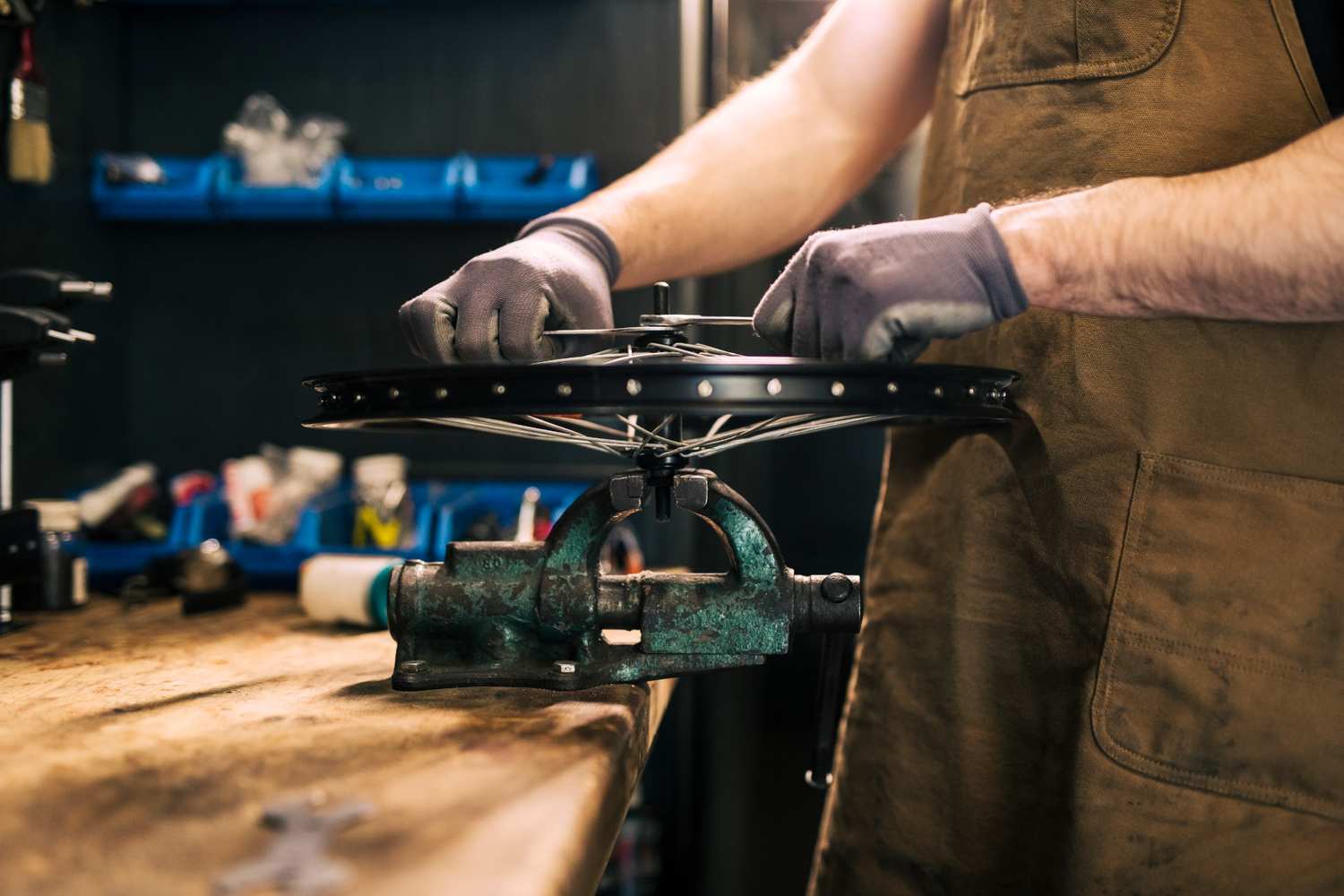
Top 10 Mistakes to Avoid When Installing Industrial Fittings
Installing industrial fittings correctly is critical for system safety, efficiency, and long-term performance. In real industrial environments such as manufacturing plants, oil and gas facilities, HVAC systems, and water treatment projects, even a minor installation error can lead to leaks, pressure loss, or complete system shutdown.
This guide explains the Top 10 Mistakes to Avoid When Installing Industrial Fittings, based on hands-on industry experience and accepted engineering practices.
Why Installation Quality Matters in Industrial Systems
Industrial systems operate under extreme pressure, temperature changes, vibration, and chemical exposure. When industrial pipe fittings are incorrectly installed, the entire piping network becomes vulnerable to failure.
Correct installation reduces maintenance costs, improves operational safety, and ensures compliance with international standards.
Below are the top 10 critical mistakes commonly made during industrial fitting installation, based on real-world industry experience.
1. Selecting the Wrong Fitting Material
Choosing the wrong material is one of the most damaging mistakes made during installation. Many failures occur because installers prioritize availability or cost over application requirements.
Common material selection errors include:
- Using carbon steel pipe fittings for industrial use in corrosive or chemical environments, leading to rapid rusting and internal wall thinning
- Installing PVC industrial fittings in high-temperature applications where heat causes deformation and joint failure
- Ignoring fluid compatibility, allowing aggressive media to attack industrial pipeline fittings over time
In demanding conditions, stainless steel fittings provide superior corrosion resistance, strength, and durability. This is why many engineers prefer stainless steel pipe fittings in Dubai for long-term reliability, reduced maintenance, and compliance with industrial standards.
Material selection must always match pressure, temperature, and media type.
2. Overlooking Actual Pressure and Temperature Conditions
Installers often rely on nominal ratings without accounting for pressure surges or temperature fluctuations. This leads to fittings operating near or beyond their limits.
Real-world systems experience:
- Startup pressure spikes that exceed normal operating pressure
- Thermal expansion caused by temperature fluctuations in pipelines
- Sudden load changes during pump startup or valve closure
Using properly rated pressure-rated fittings with adequate safety margins prevents deformation, leakage, and unexpected failure.
3. Incorrect Thread Sealing and Engagement
Threaded connections fail frequently due to poor sealing practices. Applying too much sealant can crack threads, while insufficient sealant results in leaks.
Common mistakes include:
- Overusing PTFE tape, which overstresses female threads in industrial fittings
- Applying sealant unevenly, resulting in pressure leaks at the joint
- Installing fittings with dirty or damaged threads that prevent proper sealing
Correct installation of threaded pipe fittings requires clean threads, approved sealants, and controlled tightening to achieve a reliable seal.
4. Improper Torque Application
Torque errors are a leading cause of premature fitting failure. Hand tightening is inconsistent and often unreliable in industrial environments.
Issues caused by incorrect torque include:
- Cracked industrial pipe fittings due to over-tightening
- Loosened joints caused by vibration in under-tightened connections
- Uneven stress distribution that weakens pipe fitting connections
Using calibrated tools when installing hydraulic fittings ensures secure connections and long-term system stability.
5. Mixing Incompatible Metals and Materials
Installing fittings and pipes made from incompatible materials causes galvanic corrosion. This is common when brass, steel, and aluminum are combined without insulation.
Consequences of material incompatibility include:
- Rapid corrosion at joints connecting brass, steel, and aluminum fittings
- Reduced structural integrity of industrial pipeline fittings
- Unexpected leakage and early system failure
When selecting pipe fittings for industrial use, material compatibility must always be verified to prevent long-term damage.
6. Poor Alignment During Installation
Misalignment introduces constant mechanical stress into the piping system. Forced connections may hold initially but fail under operational conditions.
This problem is especially critical during flange fittings installation, where uneven bolt tightening causes gasket damage and pressure loss.
Pipes must be properly aligned and supported before fittings are installed. Correct alignment eliminates unnecessary strain and extends system life.
7. Reusing Old or Damaged Fittings
Reusing fittings from dismantled systems is a risky practice. Even if threads appear intact, internal wear and microcracks often go unnoticed.
Risks of reused fittings include:
- Reduced pressure capacity of high-pressure pipe fittings
- Hidden structural damage that weakens industrial pipe fittings
- Non-compliance with industry and safety standards
Trusted industrial fittings suppliers always recommend new fittings for critical applications to ensure reliability and safety.
- Inadequate Cleaning and Surface Preparation
Skipping cleaning and deburring allows contaminants to enter the system. Metal shavings, oil, and dust damage seals and internal components.
This mistake commonly affects:
- Valve operation in industrial pipeline systems
- Pump efficiency due to circulating debris
- Sealing surfaces in threaded pipe fittings
Proper preparation is essential for secure pipe fitting connections, especially in precision fluid and gas systems.
9. Ignoring Industry Standards and Certifications
Failing to follow recognized standards leads to inspection failures and unsafe installations. Many systems fail because uncertified fittings are installed in regulated applications.
Certified ASME pipe fittings ensure dimensional accuracy, pressure integrity, and compliance with global engineering standards. Always verify certifications before installation.
10. Skipping Pressure Testing After Installation
Pressure testing is often rushed or skipped to save time. This mistake exposes systems to catastrophic failure during operation.
Testing identifies:
- Leaks in industrial pipeline fittings
- Weak or improperly installed joints
- Installation errors before full operation
All industrial pipeline fittings should be pressure tested before commissioning to confirm system integrity.
Best Practices for Reliable Installation
Experienced professionals follow proven procedures and never rush installations. Planning, documentation, and verification are essential for success.
Working with certified industrial fittings suppliers in Dubai ensures consistent quality, technical support, and compliance.
When to Consult Industrial Fitting Experts
Complex systems such as high-pressure hydraulics, steam lines, and chemical pipelines require expert evaluation. Professional guidance prevents costly rework and downtime.
If you are unsure about selection or installation, contact reliable industrial fittings suppliers in UAE to support your project.
AI Overview
Avoid costly failures by understanding the top 10 mistakes when installing industrial pipe fittings, from wrong material selection and pressure ratings to poor alignment and missing pressure tests, ensuring safe, compliant, and long-lasting industrial piping systems.
FAQs
What are the most common mistakes in industrial fitting installation?
Common mistakes include wrong material choice, incorrect torque, ignoring pressure ratings, and skipping pressure testing, leading to leaks and failures.
Why do industrial pipe fittings fail after installation?
Failures usually happen due to poor installation, incompatible materials, improper sealing, or fittings used beyond rated limits.
How can installation errors affect industrial piping systems?
Installation errors cause leaks, downtime, higher maintenance costs, and increased safety risks in industrial systems.
How do you ensure correct installation of industrial fittings?
Correct installation involves proper material selection, alignment, torque control, standards compliance, and pressure testing.
Conclusion
Avoiding common installation mistakes is essential for maintaining safe, efficient, and long-lasting industrial piping systems. From correct material selection and pressure ratings to proper alignment, torque control, and testing, each step directly impacts system performance and operational reliability.
For dependable products and expert technical support, Fitting World Trading LLC is a trusted supplier of high-quality industrial fittings and piping solutions in Dubai, UAE, helping contractors and engineers deliver reliable and compliant projects.
Contact our team today to discuss your requirements and ensure the right fittings for your next installation.
Explore More Expert Insights
Discover guides on carbon & stainless steel pipes, flanges, fittings, and high-pressure products for your next project.
- Types of Galvanized Pipe Fittings and Its Applications: Understand the different types of galvanized pipe fittings and their real-world industrial applications.
- Buttweld Fittings vs Socket Weld Fittings: Key Differences: Key differences between butt-weld and socket-weld fittings for stronger, leak-resistant piping solutions.
- Common Welding Mistakes and How to Avoid Them: Identify common welding mistakes, their causes, and practical ways to avoid costly defects.
- Common Fastener Failures and How to Prevent Them – Prevent Fastener Failures with Expert Tips and Solutions
- Top Pipes & Fittings Suppliers in UAE – Top Pipes and Fittings Suppliers in UAE with Trusted Quality
Popular Posts
March 22, 2024
March 28, 2024
April 22, 2024
April 30, 2024
