


Offcanvas top
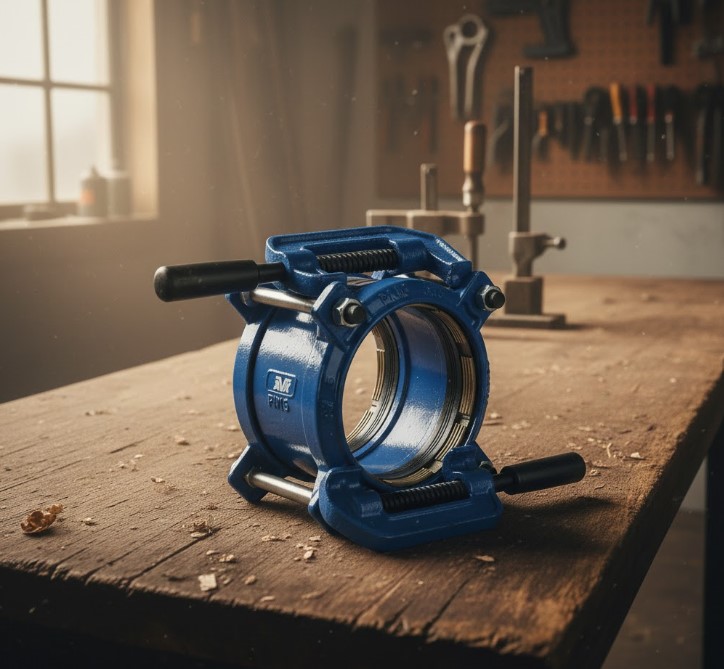
What Are Clamps? A Comprehensive Guide to Types and Uses
Clamps are essential mechanical tools used to hold, secure, press, or stabilize objects during manufacturing, construction, woodworking, metalworking, welding, and maintenance tasks. They play a critical role in ensuring accuracy, safety, and efficiency across industrial and DIY applications.
From holding two wooden boards together during gluing to securing metal pipes or fixing workpieces on CNC machines, clamps are foundational tools in both professional workshops and home environments.
This guide explains what clamps are, how they work, why they matter, the main clamp types, their real-world uses, and how to choose the right clamp for your application.
What Is a Clamp?
A clamp is a mechanical fastening device designed to apply compressive force to hold objects firmly in place. Unlike permanent fasteners such as bolts or rivets, clamps are usually temporary, adjustable, and reusable.
Clamps function by converting manual, pneumatic, hydraulic, or spring force into controlled pressure that prevents movement, vibration, or separation of materials during work.
Core clamp entities include:
- Fixed jaw and movable jaw
- Screw, lever, cam, or spring mechanism
- Frame or bar body
- Pressure pad or clamping face
Why Clamps Matter in Industrial and DIY Work
Clamps directly impact work quality, safety, and productivity. Improper clamping can lead to misalignment, material damage, weak joints, or personal injury.
Key benefits of using the correct clamp include:
- Improved precision during cutting, drilling, or welding
- Stronger bonds in gluing and assembly
- Reduced tool slippage and vibration
- Enhanced operator safety
- Consistent repeatable results in production environments
In industries like manufacturing, construction, automotive repair, furniture making, and metal fabrication, clamps are not optional tools but operational necessities.
How Do Clamps Work?
Clamps work by applying uniform pressure between two or more surfaces. The force is generated through different mechanisms depending on the clamp type.
Common force mechanisms include:
- Screw threads for controlled tightening
- Spring tension for quick holding
- Lever or cam action for rapid clamping
- Hydraulic or pneumatic pressure for high-load industrial applications
The effectiveness of a clamp depends on its clamping force rating, jaw capacity, throat depth, material strength, and surface contact area. For demanding applications, professionals often prefer heavy-duty clamps that deliver high clamping force and long-term durability in industrial environments
Main Types of Clamps and Their Uses
Clamps are available in multiple designs, each engineered to apply controlled pressure for specific materials, workloads, and environments. Understanding the main clamp types and their intended uses helps buyers select the right tool for precision, safety, and efficiency.
C-Clamps (G-Clamps)
C-clamps, also known as G-clamps, are heavy-duty fastening tools characterized by their rigid C-shaped frame and threaded screw mechanism. They are designed to deliver high clamping force and withstand significant pressure, making them a staple in industrial and professional workshops.
Uses
- Heavy-Duty Holding: Securing metal or wood workpieces during welding, drilling, and grinding operations.
- Bench Clamping: Fixing materials firmly to workbenches for stable and accurate machining.
Bar Clamps
Bar clamps consist of a long metal bar with a fixed jaw and a movable jaw that slides along the bar. This design allows them to clamp large or wide surfaces while maintaining even pressure across the workpiece.
Bar clamps are especially valued for their reach and adjustability.
Uses
- Panel Gluing: Holding large boards and panels together during woodworking and furniture assembly.
- Frame Assembly: Maintaining alignment when assembling cabinets, doors, and tabletops.
F-Clamps
F-clamps are a versatile variation of bar clamps, featuring a fixed jaw and a sliding jaw arranged in an “F” configuration. They offer a balance between strength and flexibility and are lighter than traditional bar clamps, making them easy to handle in daily workshop tasks.
Uses
- General-Purpose Clamping: Holding materials during light to medium-duty tasks in carpentry, electrical installation, and general workshop environments.
- Quick Adjustments: Allowing fast repositioning for repetitive tasks in maintenance, repair, and fabrication workshops.
Pipe Clamps
Pipe clamps use threaded pipes as the main structural element, allowing users to adjust clamp length by changing the pipe size. This modular design makes pipe clamps highly adaptable for large-scale projects and long workpieces.
Uses
- Wide Surface Assembly: Clamping tabletops, doors, and long boards in woodworking shops and furniture production facilities.
- Custom-Length Clamping: Supporting large-scale assemblies in construction, framing, and custom fabrication projects.
Spring Clamps
Spring clamps operate using internal spring tension to apply pressure when the handles are released. They are compact, lightweight, and designed for quick, one-handed operation rather than high clamping force.
- Uses
Temporary Holding: Securing lightweight materials such as fabric, plastic, or thin wood in DIY projects, craft workshops, and packaging operations. - Quick Positioning: Holding components briefly during setup in electronics assembly and light manufacturing.
Toggle Clamps
Toggle clamps use a lever-action locking mechanism that applies consistent and repeatable clamping force. Once engaged, the clamp locks securely in place, making it ideal for repetitive operations and precision setups.
Uses
- Fixture Holding: Securing workpieces in jigs and fixtures in CNC machining, metalworking, and precision manufacturing industries.
- Repetitive Operations: Speeding up production cycles in assembly lines, welding stations, and industrial automation setups.
Hose Clamps
Hose clamps are circular fastening devices designed specifically to secure hoses onto fittings or pipes. They apply radial pressure to prevent leaks and disconnections in pressurized systems.
In applications where higher clamping force and improved load distribution are required, such as industrial piping and fire protection systems, a double bolt clamp is commonly used to ensure secure and reliable connections.
Uses
- Leak Prevention: Securing hoses to fittings to prevent fluid or air leaks in automotive, plumbing, and industrial fluid systems.
- System Connections: Maintaining reliable hose connections in HVAC, agriculture irrigation, and process industries.
Welding Clamps
Welding clamps are specialized clamps built to withstand high temperatures and maintain precise alignment during welding processes. They are designed to hold metal parts firmly without shifting under heat.
Uses
- Joint Alignment: Holding metal components in position during welding in metal fabrication, shipbuilding, and structural steel industries.
- High-Temperature Stability: Preventing movement or distortion under heat in automotive body repair and heavy engineering workshops.
Clamp Materials and Construction Standards
Materials
Clamps are commonly manufactured from:
- Cast iron
- Drop-forged steel
- Stainless steel
- Aluminum alloys
- Reinforced polymers
In critical pipe repair and joining applications, stainless steel solutions like SS straub clamp are widely used due to their corrosion resistance, pressure handling capability, and suitability for industrial and infrastructure projects.
Construction Standards
Quality clamps follow international standards such as:
- DIN standards for industrial tools
- ISO quality management guidelines
- Manufacturer-specific load ratings
How to Choose the Right Clamp for Your Application
Selecting the correct clamp depends on several factors:
- Material Compatibility: Consider whether the clamp will be used on wood, metal, plastic, or composite materials, as different surfaces require different pressure levels and jaw designs.
- Clamping Force: Evaluate the amount of pressure needed to hold the workpiece securely without causing deformation, especially for delicate or thin materials.
- Jaw Capacity and Throat Depth: Ensure the clamp can open wide enough and reach deep enough to accommodate the size and shape of the workpiece.
- Application Type: Identify whether the clamp is intended for temporary holding, precision alignment, or long-term pressure during processes like gluing or welding.
- Working Environment: Choose clamps that can withstand heat, moisture, vibration, or chemical exposure, depending on the industry and operating conditions.
- Ease of Adjustment: Look for quick-release or fast-adjust mechanisms if the task requires frequent repositioning or repetitive clamping.
- Durability and Build Quality: Select clamps made from high-quality materials such as forged steel or reinforced alloys for consistent performance and long service life.
- Industry Standards and Support: Prefer clamps that meet recognized standards and are backed by manufacturer warranties and reliable after-sales support.
Leading Clamp Brands
Well-known clamp brands include:
- Bessey
- Irwin
- Stanley
- DeWalt
- Mitutoyo (for precision fixtures)
- Gedore and Yato (industrial hand tools)
Authorized clamp suppliers of these brands ensure you get genuine products, backed by manufacturer warranties, reliable after-sales support, and easy access to replacement parts for long-term use and maintenance.
FAQs
What are clamps used for?
Clamps are used to hold, secure, or align materials during cutting, drilling, welding, or assembly. They ensure stability, precision, and safety in industrial and DIY tasks.
What is the most common type of clamp?
C-clamps and bar clamps are the most widely used due to their versatility and strong holding capacity. They are common in workshops, woodworking, and metal fabrication.
How do I choose the right clamp?
Select a clamp based on material type, required clamping force, jaw capacity, and application environment. Consider durability, adjustment ease, and industry standards for best results.
Can clamps damage materials?
Yes, excessive pressure or incorrect clamp selection can dent or deform surfaces. Always match the clamp type and force to the material and task for safe use.
Conclusion
Clamps are essential tools for ensuring precision, safety, and efficiency across industrial, construction, and DIY applications. Understanding the different types, such as C-clamps, bar clamps, F-clamps, pipe clamps, spring clamps, toggle clamps, hose clamps, and welding clamps, helps you select the right solution for your specific material, workload, and industry.
By considering factors like clamping force, jaw capacity, durability, and application environment, you can achieve optimal performance and maintain safety in every project.
For businesses and residents in Dubai, United Arab Emirates, looking for high-quality clamps and dependable industrial fastening solutions, Fitting World Trading LLC is a trusted source providing expert guidance and reliable support.
Contact our industrial clamp specialists to find the right clamps for safe, precise, and reliable industrial or DIY projects.
Expert Guides on Pipes, Fittings & Industrial Solutions
Discover guides on carbon & stainless steel pipes, flanges, fittings, and high-pressure products for your next project.
- Which High Pressure Valves Are Best for Oil and Gas: Choosing the right high-pressure valves for safe and efficient oil and gas operations
- Advantages of Grooved Fittings in Piping Systems: Enhance efficiency and reliability in your piping systems with grooved fittings.
- Top 10 Mistakes to Avoid When Installing Industrial Fittings: Avoid costly errors and ensure reliable industrial piping installations.
- Types of Galvanized Pipe Fittings and Its Applications: Understand the different types of galvanized pipe fittings and their industrial applications.
- Buttweld Fittings vs Socket Weld Fittings: Key Differences: Key differences between butt-weld and socket-weld fittings for stronger, leak-resistant piping solutions.
Popular Posts
March 22, 2024
March 28, 2024
April 22, 2024
April 30, 2024
