


Offcanvas top
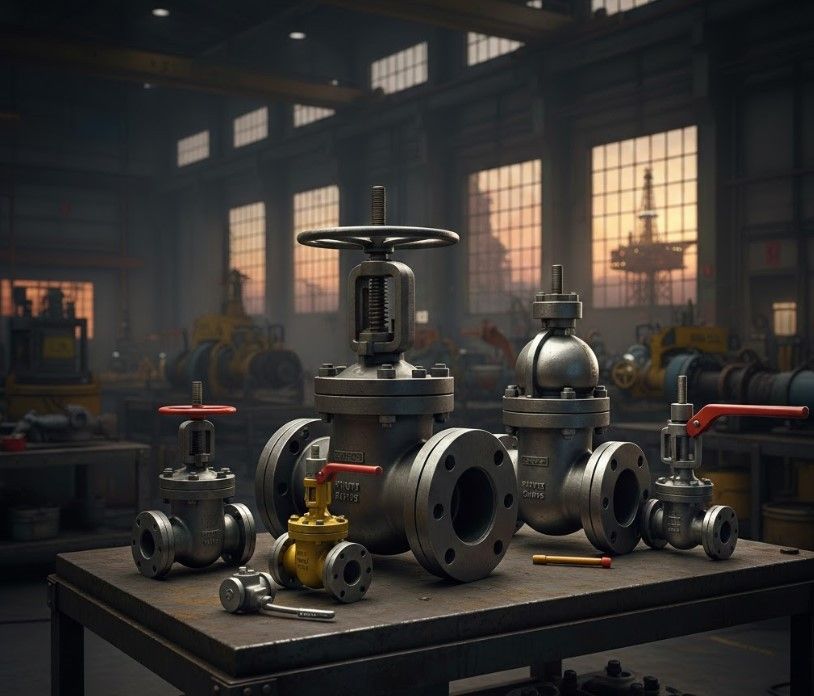
The Best High Pressure Valves for Oil and Gas Applications
Selecting the right high pressure valves for oil and gas operations is a safety critical and cost defining decision. These valves operate under extreme pressure temperature and corrosive media where failure can lead to downtime environmental risk and major financial loss.
Buyers searching for the best high pressure valves want clarity on valve types, materials standards, trusted manufacturers and how to evaluate long term reliability.
This guide is written for engineers, procurement managers and project owners who need buyer focused insight grounded in real world oil and gas requirements.
Understanding High Pressure Valve Requirements in Oil and Gas
Oil and gas applications involve upstream midstream and downstream systems where pressure ratings often exceed 10000 PSI. Valves must maintain tight shutoff dimensional stability and mechanical strength over long service cycles.
Key operating conditions include
High line pressure and pressure spikes
Valves must withstand extremely high pressures and occasional spikes without leakage. Robust design ensures system integrity under fluctuating conditions.
Sour gas and corrosive fluids
Hydrogen sulfide and other corrosive fluids can degrade materials quickly. Valves must resist corrosion for safe long-term operation.
High temperature flow media
Process fluids often reach very high temperatures that can affect seals and performance. Components must handle thermal stress without failure.
Offshore and desert environments
Extreme environments like salty offshore air or desert heat accelerate wear. Durable materials and coatings ensure reliable operation.
Safety critical isolation and control points
Valves at key control points prevent operational shutdowns and hazards. Precision engineering ensures safe and consistent performance.
Because of these factors valve selection is not only about price but about metallurgy design certification and after sales support.
Common Types of High Pressure Valves Used in Oil and Gas
Different valve designs serve different functions in oil and gas systems. Understanding where each valve performs best helps buyers avoid over specification or premature failure.
Ball Valves for High Pressure Isolation
High pressure ball valves are widely used for on off isolation in pipelines and process systems. They provide quick operation and tight sealing.
Typical applications include
- Wellhead isolation
- Pipeline block valves
- High pressure instrumentation lines
Preferred features include trunnion mounted designs, fire safe construction and metal seated options for abrasive service.
Needle Valves for Precision Pressure Control
Needle valves are essential in high pressure instrumentation systems where precise flow control is required.
Common uses include
- Pressure gauges
- Sampling systems
- Chemical injection lines
These valves are often rated for very high pressures in compact sizes and must be manufactured with extremely tight tolerances.
Gate Valves for Full Bore Flow
High pressure gate valves are used where straight through flow with minimal pressure drop is required.
Typical use cases include
- Wellhead assemblies
- High pressure manifolds
- Production flow lines
Buyers should look for rising stem designs and robust sealing systems for long term reliability.
Check Valves for Backflow Prevention
High pressure check valves protect pumps, compressors and process equipment from reverse flow.
Applications include
- Pump discharge lines
- Gas compression systems
- High pressure injection systems
Spring loaded and piston type designs are commonly used in oil and gas installations.
Materials and Standards That Define Quality
Material selection directly affects valve life cycle performance in oil and gas environments.
Common Valve Materials
Material selection directly influences how high pressure valves perform over their service life in oil and gas systems. Valves must resist deformation corrosion and fatigue while operating under extreme pressure and temperature conditions.
Stainless steel grades such as 316 and 316L are widely used for their corrosion resistance, while carbon steel is suitable for general high pressure applications. For sour gas high temperature and chemically aggressive environments, alloy steels like Inconel Monel and Hastelloy provide superior strength and durability. Material traceability and certification should always be verified before procurement.
Industry Standards and Certifications
Reliable high pressure valves comply with globally recognized standards such as API ASME and ISO. For oil and gas buyers this ensures compatibility with project specifications and regulatory requirements.
Buyers should select valves manufactured in accordance with API 6A or API 6D and designed to meet applicable ASME pressure classes. For sour service conditions, NACE compliance is essential to ensure resistance to hydrogen sulfide related corrosion and long term system integrity.
How to Evaluate High Pressure Valves Before Buying
Buyers should evaluate valves beyond basic pressure rating. The following criteria help reduce long term risk.
Key Evaluation Criteria
The table below summarizes what buyers should assess before selection.
| Evaluation Area | What to Check |
|---|---|
| Pressure rating | Maximum working and test pressure |
| Temperature range | Suitability for process conditions |
| Sealing system | Soft seat vs metal seat options |
| Certification | API, ASME, NACE compliance |
| Testing | Hydrostatic and gas testing procedures |
| Traceability | Heat numbers and material reports |
Supplier Capability and Support
In oil and gas projects supplier reliability matters as much as product quality. A strong supplier provides technical guidance documentation and after sales support.
Buyers should prefer suppliers that offer
- Engineering support for valve selection
- Local stock availability for urgent needs
- Warranty coverage and replacement assurance
- Experience supplying oil and gas projects
Accurate measurement and inspection during installation are also critical for valve performance. Many engineers complement their valve systems with high-pressure fittings to ensure complete, durable systems that withstand harsh conditions and maintain long-term efficiency.
Buyer Guidance Summary
Choosing the best high pressure valves for oil and gas requires aligning valve type material standards and supplier capability with the actual application. Over specifying increases cost while under specifying increases risk.
Buyers who focus on certified products, proven brands and knowledgeable suppliers achieve safer and more cost effective systems.
FAQs
What are high pressure valves used for in oil and gas
High pressure valves are used to control, isolate and regulate the flow of fluids and gases in upstream midstream and downstream systems operating under extreme pressure conditions.
Which valve material is best for high pressure oil and gas applications
Alloy steels such as Inconel Monel and stainless steel 316 are preferred due to their strength, corrosion resistance and suitability for high temperature and sour service environments.
How do I choose the right high pressure valve for my application
The right valve is selected based on pressure rating temperature range media type industry standards and the specific function such as isolation control or backflow prevention.
Are API certified valves mandatory for oil and gas projects
Most oil and gas projects require API certified valves to meet safety regulatory and operational standards especially in critical pressure containing applications.
Final Thoughts
Selecting the right high pressure valves for oil and gas applications is a critical decision that directly impacts operational safety system efficiency and long term reliability. By focusing on the correct valve type material compatibility industry certifications and supplier credibility buyers can minimize risk while ensuring consistent performance in demanding pressure environments.
For reliable high pressure valves certified to international oil and gas standards and backed by expert technical support, Fitting World Trading is a trusted supplier of high quality industrial valves and flow control solutions in UAE, supporting engineers and project teams with dependable products and professional guidance for every stage of their installation.
Contact our industrial valve specialists today to find the right high pressure valves for safe and reliable oil and gas operations.
Expert Guides on Pipes, Fittings & Industrial Solutions
Discover guides on carbon & stainless steel pipes, flanges, fittings, and high-pressure products for your next project.
- Advantages of Grooved Fittings in Piping Systems: Enhance efficiency and reliability in your piping systems with grooved fittings.
- Top 10 Mistakes to Avoid When Installing Industrial Fittings: Avoid costly errors and ensure reliable industrial piping installations.
- Types of Galvanized Pipe Fittings and Its Applications: Understand the different types of galvanized pipe fittings and their real-world industrial applications.
- Buttweld Fittings vs Socket Weld Fittings: Key Differences: Key differences between butt-weld and socket-weld fittings for stronger, leak-resistant piping solutions.
- Common Welding Mistakes and How to Avoid Them: Identify common welding mistakes, their causes, and practical ways to avoid costly defects.
Popular Posts
March 22, 2024
March 28, 2024
April 22, 2024
April 30, 2024
