


Offcanvas top
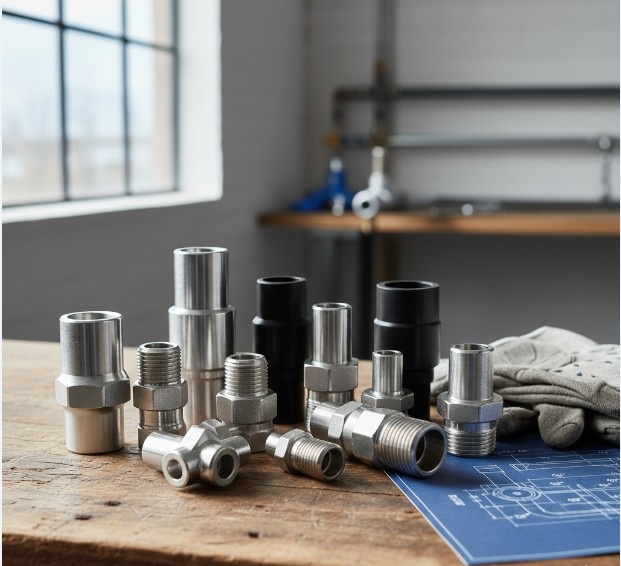
The Complete Guide to Camlock Fittings: Types and Uses
If you work in oil and gas, agriculture, chemical processing, or construction, camlock fittings are likely already part of your daily operations.
Also known as cam and groove couplings, these quick-connect fittings allow hoses and pipes to be connected and disconnected in seconds without any tools. They are the most widely used coupling system in the world, and for good reason.
What Is a Camlock Fitting?
A camlock fitting consists of two parts: a male adapter and a female coupler. The female coupler has cam arms that, when pressed down, lock onto the groove of the male adapter and create a secure, leak-free seal.
This simplicity makes them ideal for any application where hoses need to be changed frequently, where speed matters, or where working conditions are less than clean.
How Camlock Fittings Work and Component Function
Camlock couplings are engineered for fast, secure hose connections using a simple mechanical locking system. Each component plays a specific role in ensuring a tight seal, safe operation, and consistent performance during fluid transfer.
Connection Process
To connect, insert the male adapter into the female coupler and press both cam arms down simultaneously. This action pulls the adapter tightly against the internal gasket, instantly locking the connection in place.
Disconnection Process
To disconnect, lift both cam arms at the same time and pull the halves apart. The entire operation typically takes less than five seconds, making it ideal for fast paced industrial environments.
How Each Component Works
- Male Adapter
Provides the insertion point and sealing surface that mates with the gasket. - Female Coupler Body
Houses the cam arms and gasket while aligning both halves for proper sealing. - Cam Arms
Create uniform compression force that locks the adapter securely without tools. - Pins and Rings
Act as pivot points for the cam arms, allowing smooth opening and closing. - Gasket Seal
Forms the leak proof barrier that prevents fluid escape under pressure.
Because the locking system relies on cam geometry instead of torque force, every connection remains consistent with no risk of over tightening or under tightening.
The 8 Standard Camlock Types Explained
Camlock fittings are manufactured to a global standard and come in eight universally recognized types. Each type refers to the configuration of the male or female end and the thread or hose connection on the other end.
Type A is a male adapter with a female threaded end. It connects to female NPT threads on pipes, valves, and pumps.
Type B is a female coupler with a male threaded end. It threads into female-threaded components such as pump inlets and pipe elbows.
Type C is a female coupler with a hose barb shank. It installs directly onto a hose end and is used with a band clamp to secure the connection.
Type D is a female coupler with a female threaded end. It connects onto male-threaded pipe fittings and equipment ports.
Type E is a male adapter with a hose barb shank. Like Type C, it fits onto a hose end and is secured with a clamp.
Type F is a male adapter with a male threaded end. It connects into female-threaded equipment such as tank outlets and valve bodies.
Type DC is a dust cap that fits over the female coupler to protect the internal gasket and seal face during storage or transport.
Type DP is a dust plug that fits into the male adapter for the same protection purpose.
Camlock Materials and What Each One Is Used For
Material selection is where most specification mistakes occur, because choosing the wrong material can lead to corrosion, seal failure, contamination, or premature coupling damage. Below is a clear breakdown of each material and its practical application role.
- Aluminium
Lightweight, strong, and economical, aluminum camlocks are ideal for general purpose fluid transfer including fuel, water, oil, and agricultural chemicals. - Brass
Known for excellent corrosion resistance, brass camlocks is commonly used in water, brine, marine, and fuel transfer systems. Its softer composition makes cam arms easier to operate manually, which is useful in frequent connect and disconnect applications. - Stainless Steel
The premium material option designed for high temperatures, aggressive chemicals, and sanitary environments. Industries such as food processing, pharmaceuticals, and chemical manufacturing rely on stainless steel camlocks when durability and hygiene are critical. - Polypropylene
A lightweight, chemical resistant plastic suited for acids, alkalis, fertilizers, and corrosive fluids. It is the most cost effective choice and is widely used in agriculture, water treatment, and light duty chemical handling systems.
Camlock Fitting Sizes
Standard camlock sizes run from half inch to six inches, with polypropylene available up to four inches. The most common industrial sizes are one inch, one and a half inch, two inch, and three inch.
Size is determined by the nominal bore, not the outside diameter. A two-inch male camlock has an outside diameter of approximately two and a half inches, so always specify by nominal size when ordering.
Operating pressure varies by material and size. Most camlocks are rated to 150 PSI at standard conditions, but this drops significantly at elevated temperatures, particularly in polypropylene fittings.
Benefits of Using Camlock Systems
Camlock connectors are engineered to balance speed, safety, and durability.
Key advantages
- Tool free connection saves time during setup
- Secure locking mechanism reduces accidental disconnects
- Interchangeable standards improve equipment compatibility
- Minimal maintenance lowers lifecycle cost
Manufacturers such as OPW Engineered Systems design advanced camlock systems specifically for demanding industrial environments.
Industrial Applications of Camlock Fittings
Oil and gas operations use camlock couplings for transferring crude oil, diesel, hydraulic fluids, and chemical additives between tanks, trucks, and processing equipment.
Agriculture relies on camlock fittings for irrigation systems, fertilizer transfer, and sprayer connections. Their tolerance for dirty environments and ease of field operation make them the natural choice.
Chemical and pharmaceutical industries specify stainless steel camlocks for aggressive media and hygienic fluid transfer where contamination control is critical.
Construction and water management applications use aluminium and polypropylene camlocks for dewatering pumps, tanker trucks, and temporary water supply lines.
What Camlock Fittings Should Never Be Used For
This is an important safety point that is often overlooked. Camlock fittings are not rated for compressed air, gas, or steam.
If a connected camlock is opened under pressure, the cam arms can release violently, creating a serious safety hazard. Always depressurise any line before disconnecting a camlock fitting.
For gas or steam applications, flanged or threaded connections with appropriate pressure ratings are the correct specification.
How to Choose the Right Camlock Fitting
Use the STAMPED method as your selection checklist. It stands for Size, Temperature, Application, Material, Pressure, End connections, and Delivery requirements.
Start with the fluid being transferred. That determines your material. Then confirm the operating pressure, temperature range, and the thread or hose connection type needed at each end.
If you are connecting dissimilar materials, for example aluminium to polypropylene, avoid mixing them. The differing tolerances can create loose connections and accelerated gasket wear.
FAQs
What are camlock fittings used for
Camlock fittings are used to quickly connect and disconnect hoses or pipes for fluid transfer. They are commonly found in fuel, chemical, water, agricultural, and industrial applications.
How do you choose the right camlock fitting size
You must match the coupling size to the hose inner diameter and system flow requirements. Correct sizing ensures proper sealing, prevents leaks, and maintains efficient pressure levels.
Are camlock fittings interchangeable
Most camlock fittings follow standardized dimensions so different brands can connect together. However, material type, gasket compatibility, and pressure rating must still match the application.
What material is best for camlock fittings
The best material depends on the fluid type, temperature, and environmental conditions. Stainless steel suits harsh chemicals, while aluminum and polypropylene work for lighter duty uses.
Conclusion
Selecting the right camlock fitting is essential for ensuring safe, efficient, and leak free fluid transfer across industrial, commercial, and agricultural operations. Understanding coupling types, materials, sizes, and application requirements allows buyers and engineers to choose solutions that maximize performance, safety, and long term system reliability.
Source the Right Fitting for Your Application
For businesses in Dubai, United Arab Emirates, seeking reliable industrial coupling solutions, Fitting World Trading LLC is a trusted supplier delivering expert guidance, quality products, and dependable support for professional fluid handling needs.
Contact our camlock coupling specialists to get expert guidance and reliable product recommendations tailored to your fluid transfer system requirements.
Professional Guides on Pipes, Fittings & Industrial Equipment
Discover guides on carbon & stainless steel pipes, flanges, fittings, and high-pressure products for your next project.
- Guide to Fasteners: Screws, Nails, Bolts, and More: Your quick expert guide to choosing the right fasteners for strong, secure, and reliable connections.
- Common Fastener Failures and How to Prevent Them: Identify fastener failures and learn practical prevention strategies.
- What Are Clamps? A Comprehensive Guide to Types and Uses: Essential insights into clamp types, applications, and industrial uses.
- Which High Pressure Valves Are Best for Oil and Gas: Choosing the right high-pressure valves for safe and efficient oil and gas operations
- Advantages of Grooved Fittings in Piping Systems: Enhance efficiency and reliability in your piping systems with grooved fittings.
Popular Posts
March 22, 2024
March 28, 2024
April 22, 2024
April 30, 2024
