


Offcanvas top
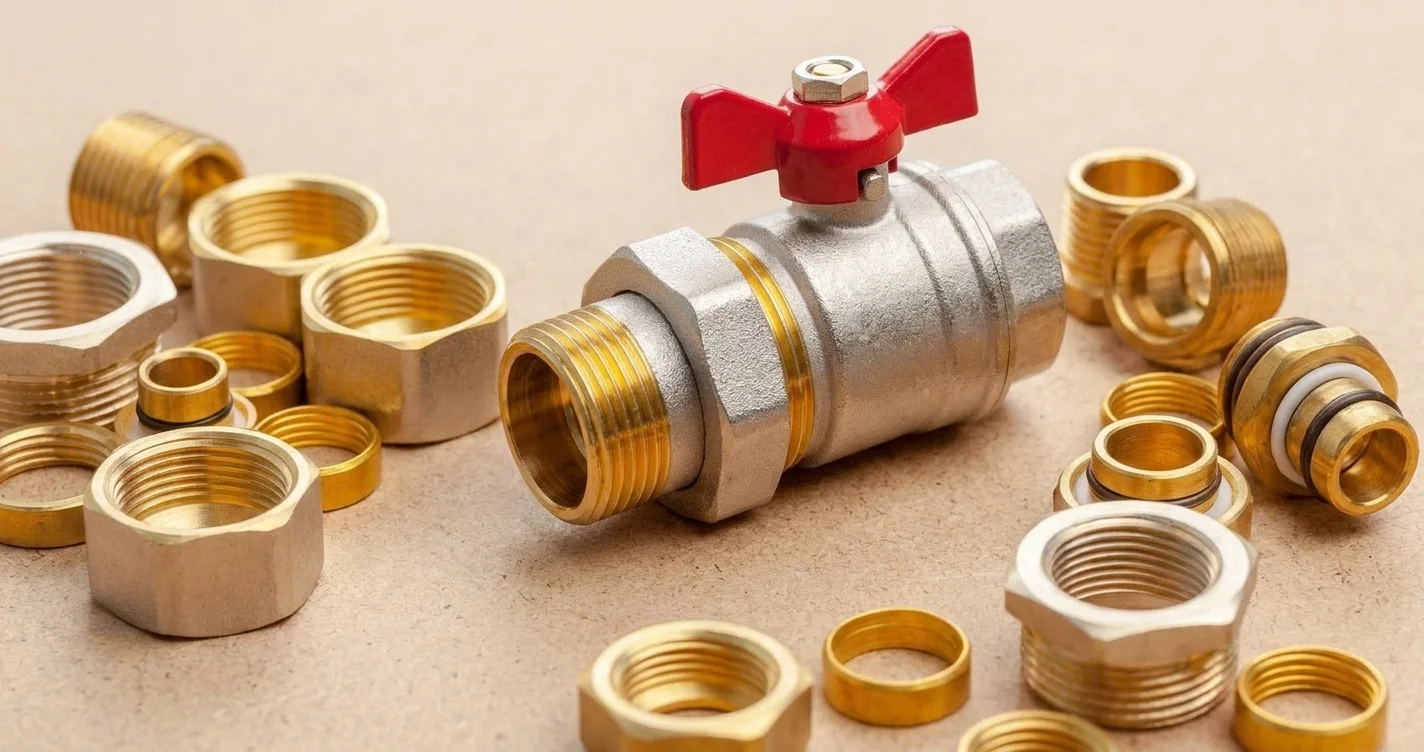
Camlock Fitting Mistakes to Avoid: A Practical Guide
Camlock fittings are quick-connect couplings used to join hoses and pipes for fluid transfer. This guide explains the common mistakes to avoid when using camlock fittings, including incorrect sizing, material selection, poor installation, incompatible gaskets and neglected maintenance, along with practical tips for safer and more reliable connections.
Camlock fittings, also known as cam and groove couplings, make it easier to connect and disconnect hoses without using tools. They are commonly used in industrial fluid transfer, agriculture, construction, marine operations and fuel handling. Their simple locking mechanism saves time, but the connection still needs the right components and proper handling.
Small mistakes during selection, installation or maintenance can lead to leaks, damaged seals and unexpected equipment downtime. Understanding the common mistakes to avoid when using camlock fittings helps operators maintain reliable connections and reduce safety risks.
What Are Camlock Fittings and How Do They Work?
Camlock fittings are quick-connect couplings made up of two main parts: a male adapter and a female coupler. The male adapter fits inside the female coupler, while two cam arms fold down to secure the connection.
This mechanism allows operators to connect and disconnect compatible hoses quickly. Different configurations are available for threaded connections, hose connections and protective caps or plugs. The correct combination depends on the hose, equipment and fluid transfer requirements.
Common Mistakes to Avoid When Using Camlock Fittings
Camlock fittings are widely used for quick and secure hose connections, but incorrect selection, installation and maintenance can lead to leaks, equipment damage and safety risks.
Choosing the Wrong Camlock Material
Material selection is important because the fitting comes into direct contact with the transferred fluid and surrounding environment. Choosing an unsuitable material can cause corrosion, chemical reactions, premature wear or leakage.
For example, aluminium camlocks are commonly used for general fluid transfer, while stainless steel options are suitable for applications that require greater corrosion resistance. Brass fittings are also used in certain water, fuel and marine applications.
Before selecting a material, consider the fluid, operating temperature, pressure and environmental conditions. Always confirm chemical compatibility with the fitting and gasket manufacturer.
Selecting the Wrong Size or Connection Type
Using a camlock fitting with the wrong size or end connection can prevent proper installation. A fitting that does not match the hose or equipment may create an unreliable connection and increase the risk of leakage.
Camlock fittings are available in different sizes and configurations, including Types A, B, C, D, E, F, DC and DP. Each type has a different combination of male or female ends, threads or hose connections.
Check the nominal fitting size, hose dimensions and connection type before ordering. Do not rely on visual measurements alone. Confirm the specifications against the equipment and manufacturer’s documentation.
Installing Camlock Fittings Incorrectly
Incorrect installation can affect the locking mechanism and sealing performance. Forcing the male adapter into the female coupler or closing the cam arms improperly may damage the components.
Follow these installation steps:
- Check the male adapter, female coupler and gasket for visible damage.
- Align the male adapter with the female coupler.
- Insert the adapter fully into the coupler.
- Close both cam arms evenly using normal hand pressure.
- Confirm that both arms are securely positioned before starting the transfer.
Never use excessive force, tools or makeshift methods to close the cam arms. If the connection does not fit properly, stop and check whether the components are compatible.
Ignoring Gasket and Chemical Compatibility
The gasket creates the seal between the connected components. Even when the fitting material is suitable, an incompatible gasket can deteriorate after contact with the transferred fluid.
Different gasket materials offer different levels of resistance to chemicals, temperature and operating conditions. For example, NBR, EPDM, Viton and PTFE are used in different applications, but no single option is suitable for every fluid.
Check the chemical compatibility chart and manufacturer’s recommendations before selecting a gasket. Inspect it regularly for cracks, swelling, hardening or other signs of deterioration.
Overlooking Pressure and Temperature Ratings
Every camlock fitting has operating limits. Using a coupling outside its rated pressure or temperature range can damage the fitting, weaken the seal or cause a connection failure.
Pressure ratings can vary according to the material, size, design and manufacturer. Temperature limits may also change depending on the gasket used.
Before installation, check the manufacturer’s technical documentation for the permitted operating conditions. Remember that the complete assembly is limited by its lowest-rated component, which may include the hose, gasket, adapter or coupler.
Standard camlock couplings should not automatically be considered suitable for compressed air, gas or steam. Use only equipment specifically designed and approved for the intended service.
Forgetting to Secure the Cam Arms
The cam arms hold the male adapter inside the female coupler. If they are not fully closed or become damaged, the connection may loosen during operation.
In applications where additional locking devices are specified, overlooking them can increase the risk of accidental disconnection.
Inspect both cam arms before starting the system. Use compatible safety pins or locking devices where required by the fitting design or application. Never operate a damaged or incomplete locking mechanism.
Continuing to Use Damaged Fittings
Repeated use, rough handling and exposure to harsh working conditions can damage camlock components over time. Scratches, cracks, bent cam arms, worn grooves and damaged sealing surfaces can affect connection reliability.
A fitting may appear usable while having damage that prevents it from sealing correctly. Inspect components before each use and replace any part that shows signs of excessive wear or deformation.
Do not attempt to repair damaged pressure-containing components with temporary fixes. Follow the manufacturer’s inspection and replacement recommendations.
Neglecting Cleaning and Maintenance
Dirt, dust, chemical residue and other contaminants can collect around the coupling and sealing surfaces. If these materials are not removed, they may interfere with the gasket or damage the connection during repeated use.
Clean fittings using methods and cleaning agents approved for their material and application. Check the gasket, cam arms and contact surfaces during routine maintenance.
When fittings are not in use, suitable dust caps and plugs can help protect them from contamination. These protective accessories should not be treated as pressure-retaining closures unless specifically rated for that purpose.
Best Practices for Using Camlock Fittings Safely
Following a consistent inspection and handling routine helps reduce avoidable connection problems. Operators should:
- Confirm the fitting material, size and connection type before installation.
- Check gasket compatibility with the transferred fluid.
- Inspect the coupler, adapter and cam arms before every use.
- Close both cam arms correctly and use specified locking devices.
- Stay within the manufacturer’s pressure and temperature limits.
- Depressurise the line before disconnecting the fitting.
- Clean and store components properly after use.
- Replace damaged fittings and worn gaskets promptly.
Never open a camlock connection while the system is pressurised. Sudden fluid release or unexpected movement can cause serious injury and equipment damage.
How to Choose the Right Camlock Fittings for Your Application
Selecting the right fitting requires more than matching the connection size. Start by identifying the fluid being transferred and the operating conditions. Then check the material, gasket, pressure rating, temperature range and connection configuration.
Consider the following points before making a selection:
| Selection Factor | What to Check |
|---|---|
| Fluid Type | Confirm compatibility with the fitting and gasket materials. |
| Fitting Material | Select aluminium, brass or stainless steel according to the application. |
| Size | Match the nominal fitting size and hose connection. |
| Connection Type | Choose the correct adapter, coupler, thread or hose end. |
| Pressure | Verify the manufacturer’s rated operating pressure. |
| Temperature | Check the limits of the fitting and gasket. |
| Environment | Consider corrosion, moisture, chemicals and outdoor exposure. |
For industrial applications, working with a reliable camlock fittings supplier can help you review available material options and connection configurations. Check the product specifications and confirm that the selected components meet your operating requirements before installation.
Conclusion
Camlocks are simple, but simple does not mean foolproof. The common mistakes to avoid when using camlock fittings are the same few every time: wrong material, careless assembly, no locking pin, the wrong gasket, ignored ratings and worn parts. Fix those and most leaks never happen.
If you are unsure which material, size or gasket suits your line, the team at Fitting World Trading LLC can help you choose the right camlock fittings before the first connection. A quick check at the start is much cheaper than a spill or a line shutdown later.
Get the Right Camlock Fittings for Your Application
Need help choosing the right camlock fitting material, size or connection type? Share your application requirements with Fitting World Trading LLC and let our team help you find suitable fittings for your industrial fluid transfer needs.
FAQs
What is the most common mistake when using camlock fittings?
Choosing the wrong material is the most common one. A fitting that does not suit the fluid or temperature can corrode, soften or leak. Always check the chemical, temperature and environment before selecting aluminum, stainless steel, brass or plastic.
Do camlock fittings need locking pins?
Yes, in most cases. Locking pins or safety clips stop the cam arms from opening by accident due to vibration or movement. They are especially important on moving hoses, transfer trucks and any line where a leak is hazardous.
How do I know which gasket to use in a camlock coupling?
Match the gasket to the fluid and temperature. Buna-N suits many general uses, EPDM suits many chemicals and fertilizers, and Viton suits high heat. Check a chemical compatibility chart if you are handling acids or solvents.
How often should camlock fittings be inspected?
Inspect them before every use and replace any part that shows cracks, bent arms, corrosion or a worn gasket. Regular visual checks catch small problems before they turn into leaks.
Can I use camlock fittings for high-pressure applications?
Camlocks are mainly designed for low-pressure transfer. Always check the rated pressure for the specific size and material, and never exceed it. Smaller sizes typically handle higher pressure than larger ones.
Expert Guides on Industrial Insights
If you want to go deeper into fittings selection, materials, and piping best practices, these guides from our blog cover related ground.
- 5 Critical Factors to Consider When Choosing Buttweld Fittings: This guide covers key factors such as wall thickness and end preparation.
- Everything You Need To Know About Grooved Pipe Fittings: A complete walkthrough of grooved fitting types, uses, and installation steps.
- Key Factors to Consider When Choosing the Right Flange: A practical guide to picking the correct flange type, material, and pressure rating for your project.
- Grooved Fittings: Advantages, Disadvantages and Applications: Where grooved connections outperform welded or threaded joints, and where they fall short.
- Types of Pipe Fittings in a Plumbing System: A helpful overview of common pipe fitting types, their functions, and how they are used in plumbing systems.
Popular Posts
March 22, 2024

March 28, 2024
April 22, 2024
April 30, 2024
