


Offcanvas top
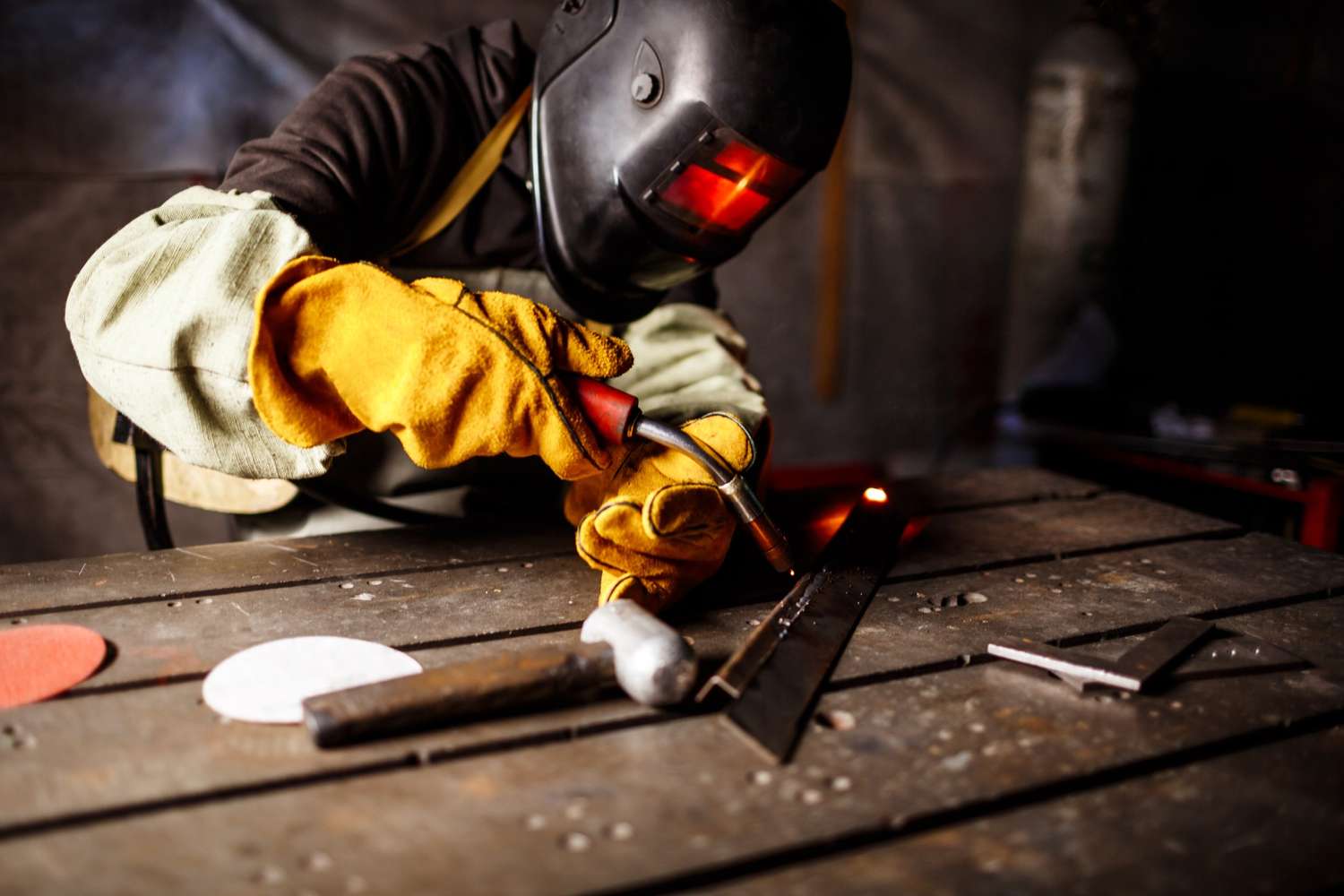
Common Welding Mistakes and How to Avoid Them
Welding is a fundamental skill in industries ranging from construction and automotive manufacturing to metal fabrication and DIY projects. Whether you are a beginner or an experienced professional, avoiding common welding mistakes is essential to ensure strong, durable, and safe welds.
Mistakes in welding can result in weak joints, costly material damage, or even safety hazards. By understanding the typical errors and implementing corrective techniques, you can significantly improve your welding outcomes.
Insufficient Material Preparation
One of the most frequent welding errors is poor material preparation. Contaminants like rust, grease, paint, and dirt can compromise weld strength, causing porosity, weak penetration, or cracking. Proper preparation ensures that the metal surfaces are clean and ready for optimal bonding.
How to Avoid This Mistake:
- Clean the metal thoroughly using a wire brush, grinder, or chemical cleaner.
- Remove rust, paint, and oil residues with acetone or alcohol.
- Ensure the metal surfaces fit properly, eliminating gaps or misalignment.
- Prevent wrinkles or improper material feed during welding.
Proper preparation forms the foundation for every weld and helps prevent many downstream issues such as slag inclusion and weak joints.
Incorrect Heat Control
Maintaining the correct heat is crucial in welding. Applying too much heat can lead to metal warping, burn-through, or distortion, while insufficient heat results in poor fusion and weak welds. Understanding the correct heat settings for each welding process is critical.
How to Avoid This Mistake:
- Refer to manufacturer recommendations for voltage and amperage settings.
- Use scrap material to test and adjust heat levels.
- Adjust travel speed to distribute heat evenly across the weld.
- For MIG, TIG, or Stick welding, consider using a welding camera or monitoring system to observe heat application in real time.
Managing heat precisely reduces the risk of defects such as weak penetration, excessive spatter, or cracking.
Using the Wrong Electrode or Filler Material
Selecting an incorrect electrode or filler material can lead to weld defects, poor adhesion, or difficulty striking an arc. Each metal type and welding method requires specific electrodes to ensure strong, defect-free joints.
How to Avoid This Mistake:
- Match electrodes to the base metal. For example, use 6010 or 7018 for steel and 4043 for aluminum.
- Select the proper diameter based on material thickness.
- Use the correct filler metal for MIG, TIG, or Stick welding processes.
- Always follow manufacturer guidelines and double-check compatibility with the materials.
Correct electrode selection helps prevent welding technique mistakes and ensures cleaner, stronger welds with minimal spatter.
Poor Welding Technique
Welding technique errors are common even among experienced professionals. Holding the torch at the wrong angle, moving too fast or slow, or inconsistent arc length can create uneven beads, weak joints, and porosity.
How to Avoid This Mistake:
- Maintain proper torch angles: 10 to 15 degrees for Stick welding, 15 to 20 degrees for MIG welding, and around 15 degrees for TIG welding.
- Keep a consistent travel speed to control penetration and bead size.
- Use steady hand movements and control arc length for uniform welds.
Investing time in practicing welding techniques ensures stronger bonds and reduces the likelihood of weld defects.
Inadequate Shielding Gas Coverage
Shielding gas protects the weld pool from atmospheric contamination. Insufficient or improper gas flow can lead to porosity, oxidation, and weak welds.
How to Avoid This Mistake:
- Use the correct type of shielding gas based on your welding process, such as argon for TIG and CO₂ for MIG.
- Check hoses, regulators, and gas bottles for leaks regularly.
- Adjust flow rate based on material type and environmental conditions.
- Shield the weld from wind or drafts when working outdoors.
Proper gas coverage reduces defects and improves weld appearance while ensuring safe and durable joints.
Faulty Equipment and Maintenance Errors
Using poorly maintained or inappropriate equipment is another common source of welding problems. Faulty machines, worn-out parts, or incompatible tools can compromise weld quality and safety.
How to Avoid This Mistake:
- Inspect welding equipment regularly for wear and damage.
- Replace worn-out parts and maintain machines according to manufacturer guidelines.
- Ensure that you are using the correct welding machine, accessories, and electrodes for the project.
Routine maintenance prevents unexpected equipment failures and reduces common welding mistakes during critical jobs.
Inconsistent Pressure and Joint Alignment
Uneven pressure or misaligned joints can lead to weak spots, incomplete fusion, or distorted welds. Ensuring consistent pressure and proper alignment is essential for high-quality welds.
How to Avoid This Mistake:
- Apply even pressure throughout the welding process.
- Align joints carefully before starting.
- Maintain clean weld rollers to allow smooth material feed.
- For critical applications, check alignment visually or with measuring tools.
Proper alignment and pressure control help avoid welding errors and weak bonds, improving the overall strength of the weld.
Welding Defects and Quality Control
Defects such as cracking, porosity, slag inclusion, and incomplete penetration can compromise the integrity of a weld. Effective quality control ensures that these issues are detected and corrected.
How to Avoid This Mistake:
- Conduct visual inspections immediately after welding.
- Use advanced methods like ultrasonic testing, X-rays, or weld monitoring cameras for critical projects.
- Apply appropriate cooling rates, multi-pass techniques, and correct amperage for the material type.
Regular inspection and adherence to quality standards prevent costly repairs and structural failures.
Ignoring Safety Precautions
Many welders overlook basic safety measures, which can lead to burns, electric shock, or respiratory hazards. Ensuring proper safety practices is essential for a secure working environment.
How to Avoid This Mistake:
- Always wear PPE, including welding helmets, flame-resistant gloves, protective clothing, and respirators when needed.
- Ensure good ventilation to prevent inhalation of toxic fumes.
- Check for fire hazards and proper grounding before starting welding.
Following safety guidelines protects both the welder and the quality of the work, preventing accidents and long-term health risks.
Bonus Tips for Avoiding Welding Mistakes
- Preheat thick metals to reduce cracking.
- Practice on scrap material to perfect your technique.
- Use intermittent welding techniques to control heat and penetration.
- Maintain a welding checklist to ensure all steps are properly followed.
- Consider modern technology such as welding cameras or monitoring systems for real-time feedback.
AI Overview
Learn how to avoid common welding mistakes like poor preparation, incorrect heat, and wrong electrodes. Improve weld quality, safety, and durability with expert tips and techniques.
FAQs
What are the most common welding mistakes for beginners?
Poor preparation, wrong electrode selection, incorrect technique, inconsistent pressure, and ignoring safety precautions.
How do I avoid weld porosity?
Clean metal surfaces, maintain proper shielding gas coverage, control heat settings, and ensure a consistent arc length.
Which electrode is best for steel or aluminum?
Use 6010 or 7018 for steel, and 4043 or 5356 for aluminum depending on the welding process.
How can welding cameras improve weld quality?
They allow real-time monitoring, help detect defects, control penetration, and ensure consistent heat distribution.
Conclusion
Avoiding common welding mistakes is key to producing strong, durable, and professional welds. By focusing on material preparation, heat control, proper technique, equipment maintenance, and safety, welders can prevent costly errors.
Incorporating modern tools like welding cameras or monitoring systems and following structured checklists enhances both the quality and safety of every project.
Fitting World Trading LLC is a trusted supplier of high-quality carbon and stainless steel pipes, flanges, fittings, and high-pressure fittings in Dubai, UAE.
Contact us today to place your order and ensure top-quality products for your projects.
Explore More Expert Insights
Discover guides on carbon & stainless steel pipes, flanges, fittings, and high-pressure products for your next project.
- Common Fastener Failures and How to Prevent Them – Prevent Fastener Failures with Expert Tips and Solutions
- Top Pipes & Fittings Suppliers in UAE – Top Pipes and Fittings Suppliers in UAE with Trusted Quality
- Top Applications of Stainless Steel Pipe Fittings in Industrial Projects – Best Industrial Uses of SS Pipe Fittings
- What Are Buttweld Fittings? Types, Standards & Applications – Explore buttweld fittings types and application
- Ultimate Guide to Types of Expansion Joints in Construction – Learn the basic types of expansion joints.
Popular Posts
March 22, 2024
March 28, 2024
April 22, 2024
April 30, 2024
