


Offcanvas top
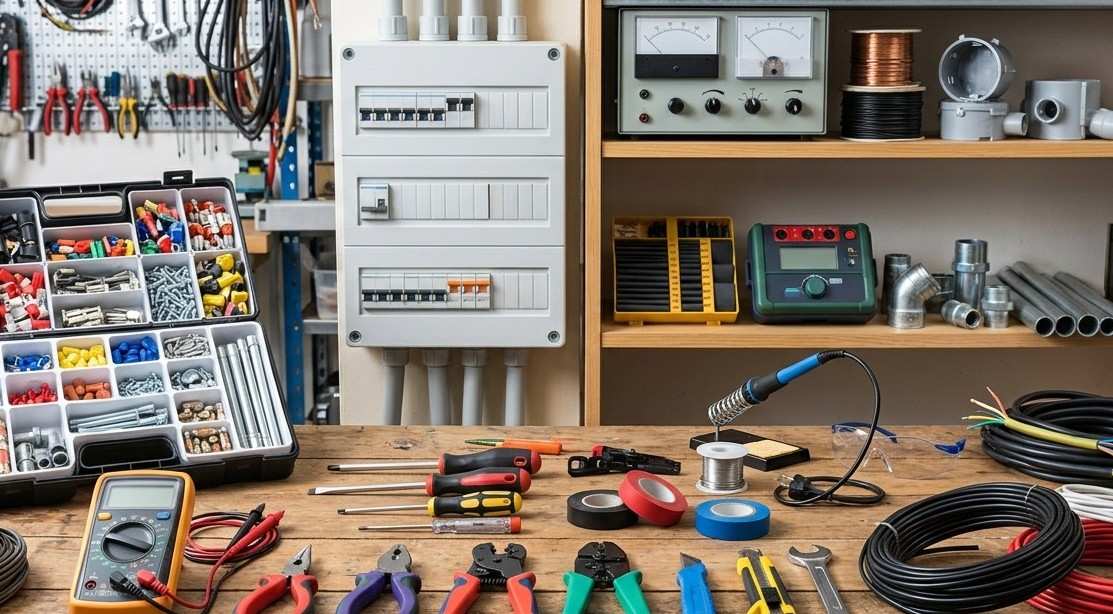
Top 10 Essential Electrical Components and How to Choose Them
Every electrical installation, whether it is a small residential fit out or a large industrial facility, depends on a handful of core components working together safely. Picking the wrong cable, breaker or fitting does not just cause inconvenience. It can lead to overheating, equipment failure and real safety risks on site.
This guide walks through the ten components every buyer, contractor and facility manager should understand, along with practical tips for choosing the right one for your project.
What Are Electrical Components
Electrical components are the physical parts that make up a circuit or an electrical system. They control how current flows, how power is distributed and how a system stays protected under normal and fault conditions. Understanding what each part does makes it far easier to specify the right product instead of guessing based on price alone.
The 10 Essential Electrical Components
Every safe and efficient electrical system relies on these essential components, each serving a specific role in power distribution, protection, control and connectivity.
1. Cables and Wires
Cables carry power from source to load, so the conductor size, insulation type and installation environment all matter. Copper conductors are common for general wiring because of their conductivity, while armoured cable suits underground or outdoor runs where extra mechanical protection is needed.
2. Switches
Switches control when a circuit is open or closed. Options range from simple one way switches for a single light to two way and intermediate switches for staircases and long corridors. Smart switches are becoming popular for remote or scheduled control in modern buildings.
3. Sockets and Outlets
Sockets need to match the current draw of connected devices and the environment they sit in. Kitchens, bathrooms and outdoor areas usually call for splash proof or weather protected sockets, while standard indoor sockets should still meet recognised safety standards.
4. Circuit Breakers
Circuit breakers protect a system from overloads and short circuits by cutting power automatically. Miniature circuit breakers work well for most standard loads, while units with added earth leakage protection are used where extra safety is required, such as in wet areas or industrial panels.
5. Fuses
Fuses remain a simple and low cost way to protect a circuit. The rating has to be matched carefully to the appliance or circuit it protects. A rating that is too high offers little protection, and one that is too low leads to constant nuisance replacements.
6. Light Fixtures and Luminaires
Beyond appearance, a light fixture needs to match its lamp type, wattage and installation location. Outdoor fittings require a suitable IP rating to resist dust and moisture, and LED options are generally preferred for their lower running cost and longer lifespan.
7. Junction Boxes
Junction boxes protect wire connections from dust, moisture and accidental contact. The box needs enough internal space for the number of wires it holds, and materials should suit the setting, with metal boxes often preferred in industrial areas that need added fire resistance.
8. Conduits
Conduits shield cables that run along walls, ceilings or underground. Plastic conduit is light and easy to install for most domestic work, while metal conduit gives stronger protection in commercial or industrial settings where impact resistance matters more.
9. Relays and Contactors
Relays and contactors are used to switch higher loads or automate control circuits. Matching the coil voltage and the rated current of the device being controlled is essential, and DIN rail mounted relays are a practical choice for control panels.
10. Timers and Sensors
Timers and sensors add automation to lighting, ventilation and other equipment. PIR sensors are widely used for security lighting since they respond to movement, while time switches help cut wasted electricity by turning devices off after a set period.
Component Comparison at a Glance
| Component | Main Function | Key Buying Factor |
|---|---|---|
| Cables and Wires | Carry current from source to load | Conductor size and insulation type |
| Switches | Open or close a circuit | Load rating and switching type |
| Sockets and Outlets | Connect devices to the supply | Current rating and IP protection |
| Circuit Breakers | Protect against overload and short circuit | Rated capacity and trip type |
| Fuses | Protect circuits from excess current | Correct rating for the load |
| Light Fixtures | Provide illumination | Lamp compatibility and IP rating |
| Junction Boxes | House and protect wire connections | Size, material and IP rating |
| Conduits | Physically protect cables | Material and installation environment |
| Relays and Contactors | Switch or automate higher loads | Coil voltage and current rating |
| Timers and Sensors | Automate control of devices | Adjustability and load compatibility |
Panels and enclosures that combine several of these parts often sit alongside other industrial materials on the same site, and the same care given to choosing stainless steel pipe fittings for industrial projects should apply when specifying enclosures exposed to moisture or chemicals.
How to Choose the Right Electrical Components
Choosing correctly comes down to asking a few practical questions before placing an order.
- What is the application, whether domestic, commercial or industrial, and is it indoor or outdoor
- What voltage and current will the component actually need to handle
- Does the location call for a specific safety or compliance rating, such as splash proof gear for a bathroom or kitchen
- Is the supplier able to provide certified products backed by proper technical support
- What is the realistic budget once installation and long term reliability are factored in
The table below breaks these factors down further for quick reference during procurement.
Buying Factors by Project Type
| Project Type | Priority Factors | Typical Components Needed |
|---|---|---|
| Residential | Safety, aesthetics, ease of use | Switches, sockets, light fixtures, MCBs |
| Commercial | Load capacity, compliance, durability | Circuit breakers, conduits, relays, sensors |
| Industrial | Heavy duty rating, fire resistance, automation | Contactors, junction boxes, armoured cable, timers |
Getting the specification right at this stage saves time later, particularly on larger projects where a mismatched component can hold up an entire installation. Many of the same principles used when selecting buttweld fittings for UAE construction projects apply here too, since material quality and compliance with recognised standards always come first.
Common Mistakes to Avoid
- Choosing a component based on price alone without checking its rating
- Ignoring the installation environment, especially moisture, dust or vibration
- Mixing incompatible voltage or current ratings between connected components
- Skipping proper documentation or data sheets before purchase
If a project also involves sealing or piping alongside the electrical scope, it is worth understanding what a spiral wound gasket is and where it is used, as many industrial sites procure electrical and piping components together from the same trusted supplier.
Final Buying Checklist
Before finalising an order, confirm the voltage and current rating, check the IP rating against the installation environment, verify compliance with local safety standards and make sure the supplier can provide technical guidance if questions come up during installation.
Explore our full range of electrical products supplier in Dubai to find certified components suited to residential, commercial and industrial projects.
Conclusion
Choosing the right electrical components is not about picking the cheapest option on the shelf. It is about matching each part to its load, its environment and the safety standard the project demands, so the system runs reliably for years rather than months.
For certified electrical products and expert guidance across the UAE, FW Trading LLC stocks a complete range built for residential, commercial and industrial use.
Ready to get started? Reach out to our team today for technical advice or a fast quote.
Expert Guides on Industrial Insights
If you want to deepen your understanding of industrial equipment, material handling, and engineering best practices, explore these related articles.
- What Are Clamps? A Comprehensive Guide to Types and Uses – A breakdown of clamp types used to hold and stabilise materials during industrial tasks.
- Which High Pressure Valves Are Best for Oil and Gas – Choosing the right high pressure valves for safe and efficient operations.
- Common Welding Mistakes and How to Avoid Them – Practical safety and quality tips for fabrication work on industrial sites.
- Grooved Pipe Fittings for Fire Protection Systems in UAE – A look at reliable grooved fittings used across UAE fire protection installations.
- How to Choose Buttweld Fittings for UAE Construction Projects – Expert tips for selecting durable buttweld fittings on construction sites.
Popular Posts
March 22, 2024
March 28, 2024
April 22, 2024
April 30, 2024
