


Offcanvas top
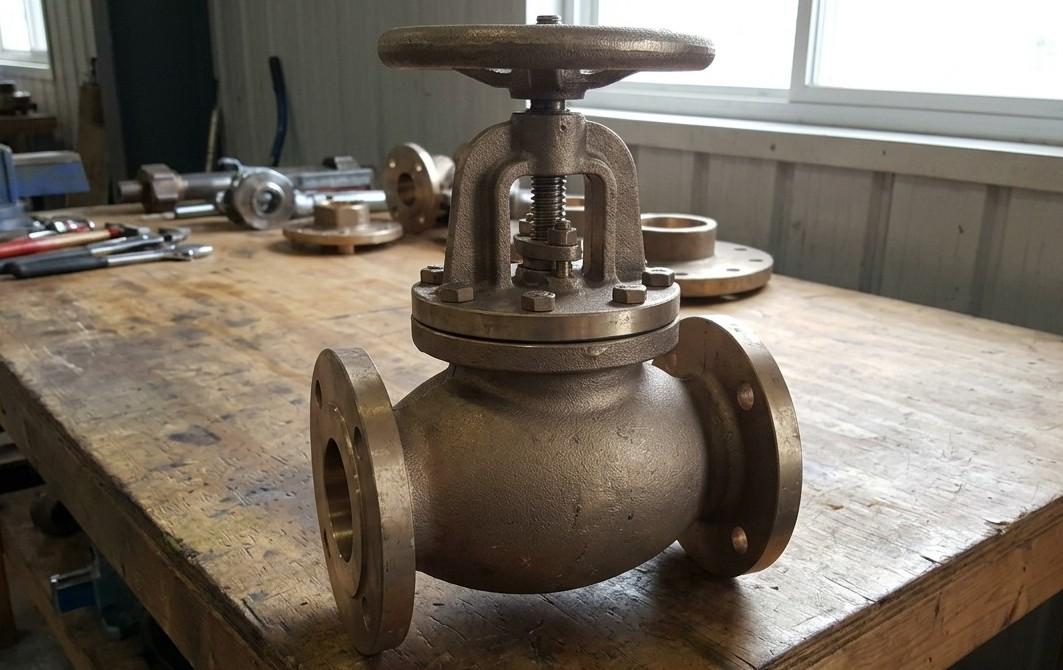
A Complete Guide to Marine Valve Types and Applications
Every ship depends on a hidden network of valves working around the clock. These components control seawater, fuel, steam and air across the vessel, and choosing the wrong one can lead to costly downtime or safety risks. From the engine room to the ballast tanks, each system relies on a valve built for its own pressure, temperature and flow conditions.
Engineers, ship operators and procurement teams often face the same question when a system is being designed or repaired, which valve actually fits the job. This guide breaks down the main marine valve types, where each one belongs on board and how to pick the right fit for your system.
What Are Marine Valves?
Marine valves are fluid control devices built specifically for shipboard use. Unlike standard industrial valves, they need to handle constant vibration, salt exposure and sudden pressure changes without failing.
On a vessel, valves generally perform three jobs.
- Controlling the rate of flow through a pipeline
- Directing fluid to the correct system or tank
- Isolating a section of piping during repairs or emergencies
Why Marine Environments Demand Specialized Valves
Ships operate in some of the harshest conditions any mechanical equipment will face. Saltwater accelerates corrosion, engine rooms run hot, and constant motion puts extra stress on seals and joints. A valve that performs well on land can fail quickly at sea if it was not engineered for these conditions.
That is why marine valves are built with corrosion resistant materials, reinforced sealing and stricter testing standards than typical commercial valves.
Common Types of Marine Valves and Their Uses
Each valve type is built for a specific job. The table below gives a quick overview before we look at each one in more detail.
| Valve Type | Operating Motion | Best Suited For |
|---|---|---|
| Gate Valve | Linear sliding gate | Full open or full close isolation |
| Ball Valve | Quarter-turn rotating ball | Fast shutoff with minimal resistance |
| Globe Valve | Linear plug and seat | Precise flow throttling |
| Butterfly Valve | Quarter-turn rotating disc | Compact spaces needing quick control |
| Check Valve | Automatic one-direction flow | Preventing backflow into pumps |
| Safety Valve | Pressure-activated release | Protecting pressurized systems |
Gate Valves and Ball Valves for Isolation and Quick Shutoff
Gate valves use a sliding gate to fully block or fully allow flow. They offer very low resistance when open, which makes them a common choice for main seawater lines, ballast routing and firefighting mains where a dependable on or off function matters more than fine adjustment.
Ball valves work differently. A quarter turn of the handle rotates a bored ball to open or close the flow path almost instantly. This speed and tight sealing make them ideal for bilge transfer lines, fuel loading systems and remote manifold controls. Engineers who need help comparing these two options in more depth can review this detailed comparison of butterfly and gate valve performance for UAE industrial conditions.
Globe and Butterfly Valves for Flow Control
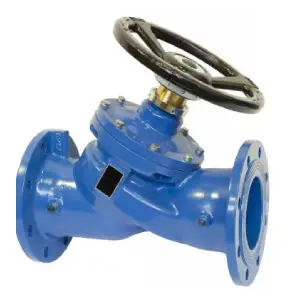
Globe valves are built for throttling rather than simple shutoff. Their internal baffle and movable disc allow an operator to fine tune flow rate, which is why they show up in engine cooling circuits, lube oil systems and steam lines on tankers with auxiliary boilers.
Butterfly valves take a lighter approach. A rotating disc mounted on a central rod controls flow with a small footprint, making them popular in HVAC chill water lines, ballast systems and engine room seawater intakes where space is limited.
Check Valves and Their Role in Preventing Backflow
Check valves open automatically when fluid flows forward and close the moment it tries to reverse. No manual operation is needed, which is exactly why they matter so much on board. Bilge discharge lines, heat exchanger outlets and fuel transfer systems all rely on check valves to stop backflow that could flood a compartment or damage a pump.
Regular inspection is important here since a stuck check valve can quietly compromise an entire system. For guidance on sourcing dependable units, this overview on choosing a reliable check valve supplier covers the qualities worth checking before you buy.
Safety Relief and Strainer Valves for Marine Systems
Safety and relief valves protect pressurized equipment such as boilers, air compressors and hydraulic units by releasing excess pressure before it becomes dangerous. Marine safety codes require regular calibration and testing of these valves since a failure here can lead to serious equipment damage.
Strainer valves play a supporting role by filtering debris and marine growth out of seawater before it reaches pumps and heat exchangers. Sea chest systems, fire mains and cooling circuits all benefit from this extra layer of protection.
Choosing Valves for High Pressure Marine and Offshore Systems
Offshore platforms, tankers and vessels with high pressure fuel or steam systems place extra demands on valve design. Pressure ratings, temperature tolerance and resistance to corrosive media all need to be checked carefully before installation.
Solenoid operated valves are increasingly used here since they allow automated or remote control for fuel systems, cooling circuits and desalination units. If your project involves demanding pressure conditions, this guide to selecting high pressure valves for oil and gas applications explains the key factors engineers weigh before specifying equipment.
Material Selection for Marine Valves
The material a valve is made from has a direct impact on its lifespan at sea. Below is a quick reference for the most common choices.
| Material | Corrosion Resistance | Typical Marine Use |
|---|---|---|
| Bronze | Very high in seawater | Ballast, bilge, and firefighting lines |
| Stainless Steel 316 | High against chloride exposure | Engine room and treatment systems |
| Brass | Moderate, avoid direct seawater | Freshwater or low-pressure lines |
| Cast Iron | Low without coating | HVAC and select ballast applications |
| Titanium Alloy | Extremely high | Offshore platforms and naval vessels |
Sourcing Reliable Marine Valves
Picking the right valve type is only half the job. Sourcing valves that are manufactured to marine grade standards, tested for pressure and backed by proper documentation is just as important for long term reliability. A trusted marine valves supplier can help match the correct material, pressure rating and connection type to your specific vessel or offshore application.
Conclusion
Marine valves may seem like small components, but they sit at the center of every critical system on a vessel, from cooling and fuel supply to ballast and firefighting. Understanding what each type does and where it belongs helps engineers build safer, more efficient systems and avoid costly failures at sea.
For certified marine valves and expert guidance across the UAE and GCC, FW Trading LLC stocks a complete range built for demanding marine and offshore use.
Ready to get started? Reach out to our team today for technical advice or a fast quote.
Expert Guides on Industrial Insights
For teams sourcing beyond valves, these guides cover other equipment categories that often show up on the same marine and industrial projects.
- How to Identify High Quality Bronze PN16 Undrilled Valves in UAE – A practical guide to spotting genuine bronze valve quality before you buy.
- Top 10 Essential Electrical Components and How to Choose Them – A practical rundown of the core electrical parts every project depends on and how to select them correctly.
- Understanding the Difference Between Lifting and Rigging – A clear breakdown of how lifting and rigging work together to move heavy loads safely.
- The Ultimate Guide to Lifting and Rigging Equipment – A complete overview of slings, hoists and rigging hardware used in heavy lifting operations.
- Complete Guide to Camlock Fittings Types Uses and Material Selection – A breakdown of camlock fitting types and how to choose the right material for your application.
Popular Posts
March 22, 2024
March 28, 2024
April 22, 2024
April 30, 2024
