Offcanvas top

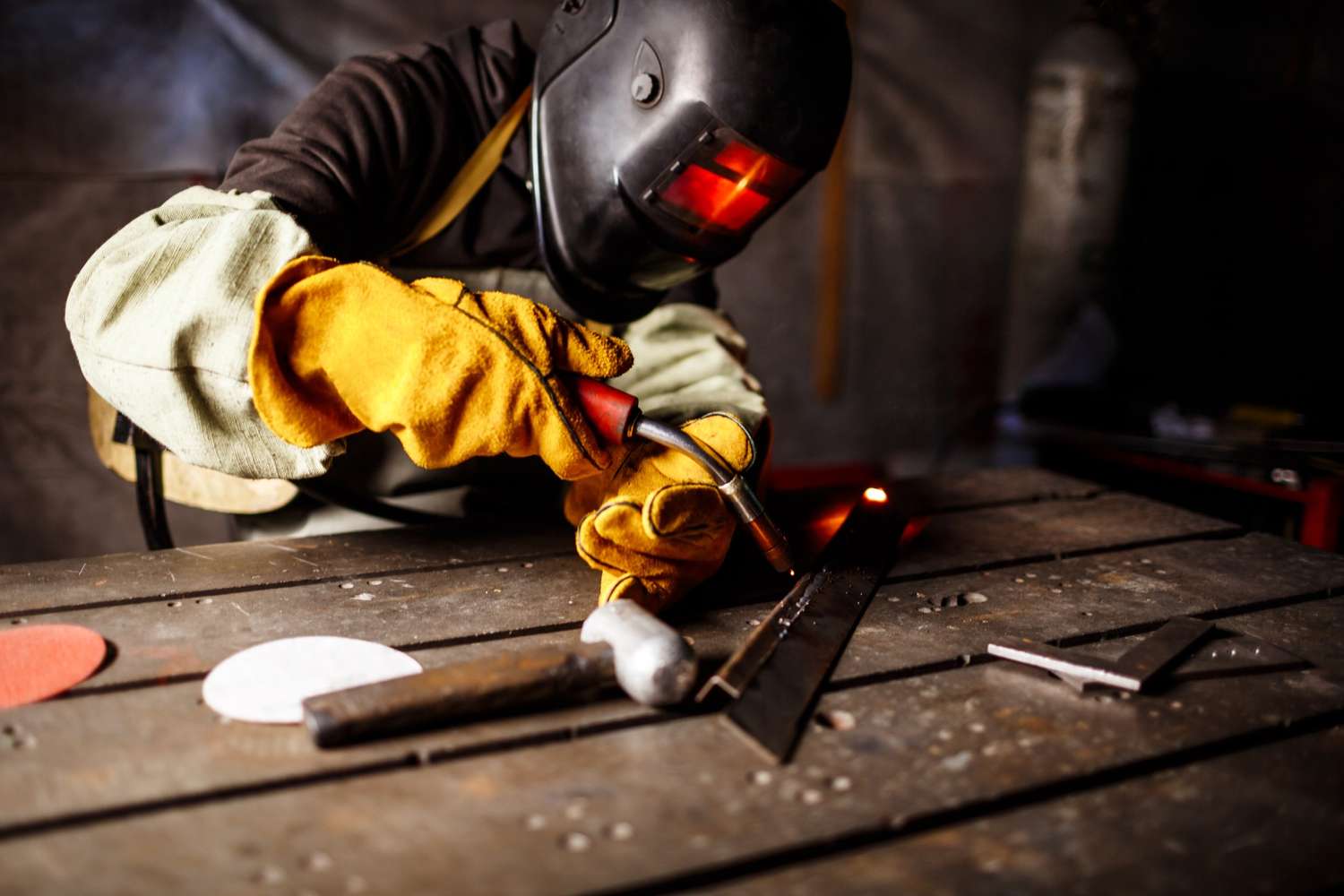
Common Welding Mistakes and How to Avoid Them

Welding is a fundamental skill in industries ranging from construction and automotive manufacturing to metal fabrication and DIY projects. Whether you are a beginner or an experienced professional, avoiding common welding mistakes is essential to ensure strong, durable, and safe welds.

Mistakes in welding can result in weak joints, costly material damage, or even safety hazards. By understanding the typical errors and implementing corrective techniques, you can significantly improve your welding outcomes.

Insufficient Material Preparation

One of the most frequent welding errors is poor material preparation. Contaminants like rust, grease, paint, and dirt can compromise weld strength, causing porosity, weak penetration, or cracking. Proper preparation ensures that the metal surfaces are clean and ready for optimal bonding.

How to Avoid This Mistake:

  • Clean the metal thoroughly using a wire brush, grinder, or chemical cleaner.
  • Remove rust, paint, and oil residues with acetone or alcohol.
  • Ensure the metal surfaces fit properly, eliminating gaps or misalignment.
  • Prevent wrinkles or improper material feed during welding.

Proper preparation forms the foundation for every weld and helps prevent many downstream issues such as slag inclusion and weak joints.

Incorrect Heat Control

Maintaining the correct heat is crucial in welding. Applying too much heat can lead to metal warping, burn-through, or distortion, while insufficient heat results in poor fusion and weak welds. Understanding the correct heat settings for each welding process is critical.

How to Avoid This Mistake:

  • Refer to manufacturer recommendations for voltage and amperage settings.
  • Use scrap material to test and adjust heat levels.
  • Adjust travel speed to distribute heat evenly across the weld.
  • For MIG, TIG, or Stick welding, consider using a welding camera or monitoring system to observe heat application in real time.

Managing heat precisely reduces the risk of defects such as weak penetration, excessive spatter, or cracking.

Using the Wrong Electrode or Filler Material

Selecting an incorrect electrode or filler material can lead to weld defects, poor adhesion, or difficulty striking an arc. Each metal type and welding method requires specific electrodes to ensure strong, defect-free joints.

How to Avoid This Mistake:

  • Match electrodes to the base metal. For example, use 6010 or 7018 for steel and 4043 for aluminum.
  • Select the proper diameter based on material thickness.
  • Use the correct filler metal for MIG, TIG, or Stick welding processes.
  • Always follow manufacturer guidelines and double-check compatibility with the materials.

Correct electrode selection helps prevent welding technique mistakes and ensures cleaner, stronger welds with minimal spatter.

Poor Welding Technique

Welding technique errors are common even among experienced professionals. Holding the torch at the wrong angle, moving too fast or slow, or inconsistent arc length can create uneven beads, weak joints, and porosity.

How to Avoid This Mistake:

  • Maintain proper torch angles: 10 to 15 degrees for Stick welding, 15 to 20 degrees for MIG welding, and around 15 degrees for TIG welding.
  • Keep a consistent travel speed to control penetration and bead size.
  • Use steady hand movements and control arc length for uniform welds.

Investing time in practicing welding techniques ensures stronger bonds and reduces the likelihood of weld defects.

Inadequate Shielding Gas Coverage

Shielding gas protects the weld pool from atmospheric contamination. Insufficient or improper gas flow can lead to porosity, oxidation, and weak welds.

How to Avoid This Mistake:

  • Use the correct type of shielding gas based on your welding process, such as argon for TIG and CO₂ for MIG.
  • Check hoses, regulators, and gas bottles for leaks regularly.
  • Adjust flow rate based on material type and environmental conditions.
  • Shield the weld from wind or drafts when working outdoors.

Proper gas coverage reduces defects and improves weld appearance while ensuring safe and durable joints.

Faulty Equipment and Maintenance Errors

Using poorly maintained or inappropriate equipment is another common source of welding problems. Faulty machines, worn-out parts, or incompatible tools can compromise weld quality and safety.

How to Avoid This Mistake:

  • Inspect welding equipment regularly for wear and damage.
  • Replace worn-out parts and maintain machines according to manufacturer guidelines.
  • Ensure that you are using the correct welding machine, accessories, and electrodes for the project.

Routine maintenance prevents unexpected equipment failures and reduces common welding mistakes during critical jobs.

Inconsistent Pressure and Joint Alignment

Uneven pressure or misaligned joints can lead to weak spots, incomplete fusion, or distorted welds. Ensuring consistent pressure and proper alignment is essential for high-quality welds.

How to Avoid This Mistake:

  • Apply even pressure throughout the welding process.
  • Align joints carefully before starting.
  • Maintain clean weld rollers to allow smooth material feed.
  • For critical applications, check alignment visually or with measuring tools.

Proper alignment and pressure control help avoid welding errors and weak bonds, improving the overall strength of the weld.

Welding Defects and Quality Control

Defects such as cracking, porosity, slag inclusion, and incomplete penetration can compromise the integrity of a weld. Effective quality control ensures that these issues are detected and corrected.

How to Avoid This Mistake:

  • Conduct visual inspections immediately after welding.
  • Use advanced methods like ultrasonic testing, X-rays, or weld monitoring cameras for critical projects.
  • Apply appropriate cooling rates, multi-pass techniques, and correct amperage for the material type.

Regular inspection and adherence to quality standards prevent costly repairs and structural failures.

Ignoring Safety Precautions

Many welders overlook basic safety measures, which can lead to burns, electric shock, or respiratory hazards. Ensuring proper safety practices is essential for a secure working environment.

How to Avoid This Mistake:

  • Always wear PPE, including welding helmets, flame-resistant gloves, protective clothing, and respirators when needed.
  • Ensure good ventilation to prevent inhalation of toxic fumes.
  • Check for fire hazards and proper grounding before starting welding.

Following safety guidelines protects both the welder and the quality of the work, preventing accidents and long-term health risks.

Bonus Tips for Avoiding Welding Mistakes

  • Preheat thick metals to reduce cracking.
  • Practice on scrap material to perfect your technique.
  • Use intermittent welding techniques to control heat and penetration.
  • Maintain a welding checklist to ensure all steps are properly followed.
  • Consider modern technology such as welding cameras or monitoring systems for real-time feedback.

AI Overview

Learn how to avoid common welding mistakes like poor preparation, incorrect heat, and wrong electrodes. Improve weld quality, safety, and durability with expert tips and techniques.

FAQs

What are the most common welding mistakes for beginners?

Poor preparation, wrong electrode selection, incorrect technique, inconsistent pressure, and ignoring safety precautions.

How do I avoid weld porosity?

Clean metal surfaces, maintain proper shielding gas coverage, control heat settings, and ensure a consistent arc length.

Which electrode is best for steel or aluminum?

Use 6010 or 7018 for steel, and 4043 or 5356 for aluminum depending on the welding process.

How can welding cameras improve weld quality?

They allow real-time monitoring, help detect defects, control penetration, and ensure consistent heat distribution.

Conclusion

Avoiding common welding mistakes is key to producing strong, durable, and professional welds. By focusing on material preparation, heat control, proper technique, equipment maintenance, and safety, welders can prevent costly errors.

Incorporating modern tools like welding cameras or monitoring systems and following structured checklists enhances both the quality and safety of every project.

Fitting World Trading LLC is a trusted supplier of high-quality carbon and stainless steel pipes, flanges, fittings, and high-pressure fittings in Dubai, UAE.

Contact us today to place your order and ensure top-quality products for your projects.

Explore More Expert Insights

Discover guides on carbon & stainless steel pipes, flanges, fittings, and high-pressure products for your next project.

Common Fastener Failures and How to Prevent Them

Fasteners such as bolts, screws, nuts, and anchors are small components, yet they play a vital role in construction, manufacturing, industrial machinery, and marine applications. They hold structures and equipment together, ensuring stability and safety.

Despite their importance, fasteners can fail due to various factors, leading to costly repairs, operational downtime, or safety hazards. Understanding common fastener failures and taking preventive steps is crucial for engineers, contractors, and maintenance teams.

This guide explores the most frequent causes of fastener failure, including corrosion, fatigue, over-tightening, vibration loosening, improper selection, and galling, along with practical strategies to prevent them.

Corrosion-Induced Fastener Failure

Corrosion is a major reason for fastener failure, especially in coastal regions, humid environments, and industrial settings. Exposure to moisture, salt, chemicals, or temperature extremes can compromise fastener strength. Rust and corrosion weaken bolts and screws, reduce clamping force, and may ultimately lead to structural failure.

Prevention tips for corrosion-related failure

  • Use corrosion-resistant fasteners or stainless steel bolts in outdoor and marine projects.
  • Apply protective coatings such as zinc plating, hot-dip galvanizing, or Dacromet coating.
  • Use dielectric barriers or isolating washers to prevent galvanic corrosion when joining different metals.
  • Inspect fasteners periodically and replace any showing rust or material loss.

Proper material selection and coating can greatly increase the lifespan of fasteners in harsh conditions.

Fatigue Failure in Fasteners

Fatigue failure occurs when fasteners face repeated cyclic loads or dynamic stress. This type of failure is common in industrial machinery, vehicles, and structures exposed to vibrations. Fatigue cracks often originate at stress points near thread roots and gradually propagate until sudden fracture occurs.

Preventive measures for fatigue failure

  • Use fatigue failure fasteners or high tensile bolts for heavy-duty applications.
  • Ensure proper preload and torque during installation to minimize stress concentration.
  • Design assemblies with smooth transitions and larger fillet radii where possible.
  • Protect fasteners from corrosion fatigue in humid or corrosive environments.

Fatigue-resistant fasteners are particularly important for marine-grade hardware, structural steel, and industrial machinery.

Over-Tightening and Thread Stripping

Over-tightening is a common installation error that can strip threads, damage materials, and reduce joint strength. Thread stripping prevents fasteners from maintaining clamping force and may result in loosening or failure.

How to prevent over-tightening

  • Always use a torque wrench for fastener installation and follow manufacturer specifications.
  • Avoid using impact drivers on critical fasteners unless torque-limiting tools are employed.
  • Use high-quality certified fasteners to ensure proper thread standards.
  • Inspect threads before installation, and consider thread inserts for soft materials.

Controlling torque correctly ensures durable and reliable fastening in all projects.

Vibration-Induced Loosening

Fasteners in automotive, industrial machinery, and heavy equipment are often exposed to vibrations and dynamic loads. Over time, this can cause bolts and nuts to loosen, reducing clamping force and endangering structural integrity.

Prevention strategies

  • Use vibration-resistant lock nuts or locking fasteners in areas prone to vibration.
  • Apply thread-locking compounds to resist rotational movement while allowing maintenance.
  • Ensure proper torque and preload during installation.

Selecting the right fasteners and considering vibration effects ensures secure connections in machinery and construction projects.

Improper Fastener Selection

Choosing the wrong fastener for a material or application is a critical cause of failure. For example, using a standard steel screw on treated timber or a wood screw on metal framing can result in corrosion, stripped threads, and weakened structures.

Tips for proper selection

  • Match fastener material to substrate and environmental conditions.
  • Use stainless steel, galvanized, or coated fasteners in outdoor or humid areas.
  • Verify load-bearing capacity and mechanical specifications before installation.

Correct fastener selection ensures long-term performance, reduces maintenance costs, and prevents failures across construction, industrial, and marine projects.

Galling and Seizing

Galling occurs when threads cold-weld together during installation, preventing proper rotation and causing thread damage. This often happens with ductile metals like stainless steel or titanium when fasteners are over-tightened or installed too quickly.

Preventive measures

  • Apply anti-seize lubricant to threads before installation.
  • Reduce installation speed to minimize heat from friction.
  • Use fasteners of different material grades to reduce adhesion.
  • Clean and inspect threads before installation.

Preventing galling ensures smooth installation and protects critical fasteners in industrial and heavy-duty applications.

Regular Maintenance and Inspection

Even correctly installed fasteners can fail without regular maintenance. Routine inspections detect early signs of wear, corrosion, or loosening.

Maintenance best practices

  • Perform visual inspections and check torque on critical fasteners.
  • Replace fasteners showing corrosion, cracks, deformation, or fatigue.
  • Maintain documentation of fastener types, installation dates, and inspections.

A proactive maintenance program prevents unexpected failures and extends the life of fasteners in industrial, construction, and marine applications.

FAQs

What causes common fastener failures?

Fastener failures usually happen due to corrosion, fatigue, over-tightening, vibration loosening, or improper installation. Choosing the right fastener and following proper torque guidelines can prevent most issues.

How can I prevent corrosion in fasteners?

Use corrosion-resistant fasteners like stainless steel or coated bolts and apply protective coatings. Regular inspections help detect rust early and maintain structural integrity.

What is fatigue failure and how can it be avoided?

Fatigue failure occurs when fasteners endure repeated stress or vibrations. Prevent it by using high tensile bolts, proper torque, and fatigue-resistant designs for long-lasting performance.

How do I avoid thread stripping or over-tightening?

Always use a torque wrench for fastener installation, follow manufacturer torque specifications, and inspect threads before use. Proper installation maintains joint strength and prevents failures.

AI Overview

Learn about common fastener failures including corrosion, fatigue, and over-tightening, and discover practical prevention tips for durable bolts, screws, and industrial fasteners.

Conclusion

Fasteners are small yet crucial components that ensure the safety, durability, and reliability of structures and equipment. Understanding common fastener failures such as corrosion, fatigue, over-tightening, vibration loosening, improper selection, and galling, along with implementing preventive strategies, is essential for engineers, contractors, and maintenance teams.

Using corrosion-resistant fasteners, high tensile bolts, fatigue failure fasteners, and vibration-resistant lock nuts, following proper torque installation, and performing routine inspections reduces failure risks.  Correct selection of fasteners for marine-grade hardware, industrial machinery bolts, and structural fasteners for heavy machinery ensures long-term performance and safety.

If you need reliable fasteners in Dubai, Fitting World Trading LLC is a leading supplier. Call today to get high-quality bolts, screws, and industrial fasteners.

Explore More Expert Insights

Discover guides on carbon & stainless steel pipes, flanges, fittings, and high-pressure products for your next project.

Top Pipes & Fittings Suppliers in UAE You Can Trust

The UAE has become a major hub for construction, oil & gas, HVAC, plumbing, and industrial development. With megaprojects rising across Dubai and Abu Dhabi, the demand for high-quality, certified pipes and fittings has never been higher.

Choosing the right supplier is critical because your project’s safety, performance, and long-term durability depend on the materials you use.

This guide highlights some of the most trusted pipes and fittings suppliers in UAE, each following a consistent, professional pattern. Whether you’re a contractor, consultant, or project engineer, this list will help you choose a supplier you can rely on.

1. Fitting World Trading LLC

Fitting World Trading LLC is one of the most reliable suppliers of industrial pipes, fittings, flanges, and valves in the UAE. The company is known for its certified materials, fast delivery, and strong stock availability across plumbing, HVAC, marine, oil & gas, and construction sectors.

Products They Offer

  • Stainless steel, carbon steel, GI, HDPE, copper, and PVC pipes
  • Elbows, tees, reducers, couplings, adaptors, and sockets
  • Industrial valves, flanges, gaskets, and accessories
  • Complete support for MEP, industrial, and infrastructure projects

Why They Are Trusted

  • Products compliant with ISO, ASTM, API, DIN, and BS standards
  • Excellent customer service and fast UAE-wide delivery
  • Known for authenticity, quality, and reliability

2. Hepworth PME

Hepworth PME is a well-known supplier of thermoplastic piping systems widely used in residential, commercial, and infrastructure projects. Their range is highly respected in plumbing and drainage markets.

Products They Offer

  • uPVC, cPVC, and PE pipes
  • Plumbing and drainage fittings
  • Water supply system components

Why They Are Trusted

  • Consistent quality and durability
  • Strong presence across the GCC
  • Reliable supply chain and technical support

3. Polyfab Plastic Industry LLC

Polyfab is recognized for its durable pipes and fittings for water supply, irrigation, and infrastructure applications. They are especially preferred for municipal and large-scale projects.

Products They Offer

  • HDPE, PPR, and PVC pipelines
  • Fabricated fittings for custom requirements
  • Drainage and water management systems

Why They Are Trusted

  • Long-lasting material performance
  • Excellent resistance to environmental conditions
  • Strong project support team

4. National Plastic Factory (NPF)

NPF is a major UAE manufacturer offering cost-effective plastic pipes for plumbing and construction needs. They cater to distributors, contractors, and industrial buyers.

Products They Offer

  • PVC, uPVC, and PPR pipes
  • Plumbing fittings and accessories
  • Bulk material solutions

Why They Are Trusted

  • Affordable pricing
  • Large production capacity
  • Reliable distribution across UAE

5. Reliance Worldwide Corporation (RWC Middle East)

RWC Middle East is a globally recognized brand providing engineered water flow solutions ideal for modern, high-performance plumbing systems.

Products They Offer

  • Push-fit fittings
  • Valves and connectors
  • High-quality metal and plastic accessories

Why They Are Trusted

  • Advanced engineering and long-term reliability
  • Industry-leading installation technology
  • Strong international credibility

6. Bin Dasmal Group

Bin Dasmal Group is a trusted supplier for HVAC and MEP industries, offering an extensive range of piping materials for commercial and industrial projects.

Products They Offer

  • GI pipes, copper fittings, and ducting materials
  • HVAC piping components
  • Industrial pipeline accessories

Why They Are Trusted

  • Decades of industry experience
  • Reliable delivery and stock management
  • Strong connection with top UAE contractors

7. KIM Pipes

KIM Pipes supplies high-strength HDPE and pressure piping systems used across water supply, agriculture, and industrial networks.

Products They Offer

  • HDPE pressure pipes
  • Coils for irrigation
  • Specialized industrial pipes

Why They Are Trusted

  • Corrosion-resistant and durable materials
  • Suitable for UAE climate and heavy-duty use
  • Widely approved for government projects

8. Dubai Pipes Factory (DPF)

Dubai Pipes Factory specializes in fiberglass pipeline systems built for harsh and corrosive environments such as chemical plants and offshore applications.

Products They Offer

  • GRP, GRE, and FRP pipes
  • Composite fittings
  • Industrial-grade pipeline components

Why They Are Trusted

  • High resistance to chemicals
  • Long service life with minimal maintenance
  • Preferred for industrial and petrochemical applications

What to Look for in a Pipes & Fittings Supplier

Before selecting a supplier, consider the following factors to ensure reliability and long-term performance:

Quality Certifications

Look for ISO, ASTM, DIN, BS, or API-compliant products. Certified materials guarantee strength, safety, and longevity.

Stock Availability

Strong inventory ensures fast delivery and prevents project delays.

Complete Product Range

A trusted supplier offers pipes, fittings, flanges, valves, and accessories under one roof.

Industry Reputation

Choose suppliers trusted by major contractors, oil & gas firms, and MEP companies.

Transparent Pricing

Fair and competitive pricing without compromising on material quality.

AI Overview 

Discover the most trusted pipes and fittings suppliers in the UAE with a clear comparison of products, certifications, reliability, and industry performance to help you choose the right partner for your project.

FAQs

Which pipes and fittings supplier is most trusted in the UAE?

Fitting World Trading LLC is widely trusted due to its certified materials, strong stock, and reliable delivery.

What types of pipes are commonly used in UAE projects?

Stainless steel, carbon steel, HDPE, PPR, PVC, and GI pipes are most commonly used.

How do I choose a reliable supplier in the UAE?

Check product certifications, stock availability, market reputation, and delivery reliability.

Do UAE suppliers provide industrial valves and flanges?

Yes, top suppliers offer valves, flanges, gaskets, and full piping accessories for industrial systems.

Are HDPE pipes good for irrigation and water networks?

Yes, HDPE pipes are durable, corrosion-resistant, and ideal for outdoor applications in the UAE.

Conclusion

The UAE has a robust network of pipes and fittings suppliers serving all major sectors, including construction, water systems, HVAC, marine, and industrial applications. Each supplier listed above is known for durability, certified products, and reliable service.

Among them, Fitting World Trading LLC remains one of the most trusted names for high-quality piping materials and industrial components.

When it comes to pipes and fitting suppliers in UAE, Fitting World Trading is the name you can trust. Their commitment to quality and innovation ensures that customers receive the best products for their projects.

Explore More Expert Insights

Discover guides on carbon & stainless steel pipes, flanges, fittings, and high-pressure products for your next project.

Ultimate Guide to Types of Expansion Joints in Construction

Expansion joints are crucial in construction to accommodate movement caused by thermal expansion, contraction, and seismic activity. Without them, structures can crack or experience stress, reducing their lifespan.

This guide explains the different types of expansion-joints, their applications, benefits, and installation tips.

What Are Expansion Joints and Why Are They Important?

Expansion-joints separate structural components to absorb movement safely. They prevent cracks, reduce stress, and allow structures to withstand temperature changes, vibrations, and seismic forces.

Key applications include:

  • Bridge expansion joints for bridges and highways.
  • Pipeline expansion joints for industrial piping systems.
  • Concrete expansion joints for slabs, pavements, and roadways.
  • Seismic joints for earthquake resistance.
  • Horizontal and vertical joints for orientation-specific movement.

Types of Expansion-Joints in Construction

Understanding the various types of expansion-joints helps engineers and contractors choose the best solution for each project.

Braided Expansion Joint

Braided expansion joints consist of flexible braided metal that absorbs vibration and movement in pipelines. They are ideal for thermal expansion in industrial piping and HVAC systems.

Benefits:

  • Reduces vibration and noise.
  • Absorbs axial, lateral, and angular movement.
  • Durable for high-pressure environments.

Double Sphere Expansion Joint

Double sphere expansion joints feature two spherical elements that allow multidirectional movement while maintaining a strong seal. They are often used in pipelines where large expansion or contraction is expected.

Applications: Power plants, chemical industries, and long pipelines.

Key Advantage: Excellent at handling both axial and lateral movements simultaneously.

Metallic Expansion Joint

Metallic expansion joints are made of stainless steel or other metals, designed for high-temperature and high-pressure applications.

Applications: Boilers, turbines, industrial piping systems.

Trending Tip: They offer durability, long service life, and resistance to thermal fatigue and corrosion.

Rubber Double Sphere Expansion Joint

Rubber double sphere expansion joints combine flexibility and resilience, absorbing vibration, noise, and misalignment in mechanical systems.

Applications: Water treatment plants, HVAC systems, and chemical pipelines.

Key Benefit: Excellent for low-pressure systems where vibration damping and alignment flexibility are critical.

Union Type Expansion Joint

Union type expansion joints allow sections of pipelines or ducts to be easily assembled or disassembled, providing convenience for maintenance while accommodating movement.

Applications: Industrial pipelines, mechanical systems, and modular installations.

Key Advantage: Simplifies installation and maintenance without compromising movement absorption.

Factors to Consider When Selecting Expansion-Joints

  • Movement Requirements: Axial, lateral, angular, or multidirectional.
  • Material Compatibility: Ensure metals, rubber, or composites are compatible with the structure.
  • Environmental Conditions: Exposure to temperature, chemicals, or UV.
  • Load Capacity: Must withstand traffic or mechanical loads if installed in floors or bridges.
  • Maintenance: Some types like rubber or union type may require periodic inspection.

Installation Tips for Expansion-Joints

  • Accurate Placement: Follow structural drawings and spacing requirements.
  • Sealing: Use proper elastomeric or metallic sealants to prevent leaks.
  • Reinforcement: Strengthen surrounding areas to avoid local stress.
  • Inspection: Schedule regular checks for wear, deformation, or corrosion.
  • Professional Expertise: Engage qualified engineers for complex or critical installations.

Common Mistakes to Avoid

  • Using the wrong type of expansion-joint for environmental or load conditions.
  • Skipping inspection and maintenance.
  • Poor alignment or improper sealing.
  • Ignoring design movement specifications.

AI Overview 

Discover the ultimate guide to expansion-joints in construction. Learn types, applications, benefits, and expert tips to choose the right joint for bridges, pipelines, and concrete structures.

FAQs

What is the purpose of an expansion-joint?

It absorbs structural movement caused by thermal, seismic, or load variations, preventing cracks and damage.

What are common types of expansion-joints?

Braided, double sphere, metallic, rubber double sphere, and union type expansion joints.

How do I select the right expansion-joint?

Consider movement requirements, material compatibility, environmental conditions, and maintenance needs.

Can expansion-joints prevent all structural damage?

They reduce stress and cracking, but proper design, installation, and maintenance are essential.

Conclusion

Expansion-joints are essential for maintaining structural integrity, safety, and longevity in buildings, bridges, pipelines, and industrial systems. Selecting the right type, whether braided, double sphere, metallic, rubber double sphere, or union type, ensures that your structures can safely accommodate movement from thermal expansion, contraction, or seismic activity.

Ready to Secure your Construction Project’s Durability and Performance?

Partner with Fitting World Trading LLC, a trusted supplier of high-quality expansion joints for all construction and industrial projects.

Contact us today to select the perfect expansion-joints for your building, bridge, or pipeline needs and ensure long-lasting structural performance.

Explore More Expert Insights

Discover guides on carbon & stainless steel pipes, flanges, fittings, and high-pressure products for your next project.

Grease Nipples in Dubai: Complete Guide for Industrial Lubrication

Lubrication is essential for the efficiency and longevity of machinery. Grease nipples are small but critical fittings that allow grease to be applied directly to bearings, joints, and other moving parts. In Dubai, FW Trading provides high-quality grease nipples made from carbon and stainless steel, ensuring durability, corrosion resistance, and compatibility with standard grease guns.

These fittings are widely used across industries such as automotive, construction, manufacturing, and heavy machinery. Using the right grease nipple reduces wear and tear, prevents downtime, and maintains smooth operation of equipment.

What Are Grease Nipples and Why They Matter?

Grease nipples, also called lubrication nipples or Zerk fittings, are mechanical components that allow lubricant to be injected into moving parts without dismantling machinery. They ensure smooth operation, reduce friction, and extend the life of industrial equipment.

Key Features:

  • Durable construction from carbon steel or stainless steel
  • Zinc-plated or nickel-plated finishes for corrosion resistance
  • Compatible with standard grease guns
  • Reliable lubrication for bearings, joints, and pivots

Types of Grease Nipples You Should Know

Choosing the right type of grease nipple ensures effective lubrication in all industrial applications.

1. Straight Grease Nipples

These are the most common type, used where the grease gun can access the fitting directly in a straight line. Ideal for general machinery lubrication points.

2. Angled Grease Nipples

Designed for hard-to-reach areas, these nipples come in 45° or 90° angles to ensure proper lubrication in tight spaces.

3. Zerk Grease Nipples

These feature a built-in ball check valve that prevents contaminants from entering the system while allowing grease to flow smoothly.

4. Specialty Grease Nipples

Custom-made fittings designed for high-pressure, high-temperature, or extreme environmental conditions.

Industrial Applications of Grease Nipples

Grease nipples are essential wherever machinery requires regular lubrication.

Mechanical Lubrication Points

Used at critical lubrication points in industrial machines to reduce friction and improve performance.

Bearings and Joints

Deliver grease directly to bearings, joints, and pivots to prevent wear and extend component life.

Automotive and Heavy Equipment

Essential in vehicles, construction machinery, and agricultural equipment for consistent maintenance.

Industrial Machinery

Crane systems, turbines, conveyors, presses, and production lines rely on grease nipples for smooth operation.

Oil and Gas Industry

Corrosion-resistant grease nipples are used on offshore platforms, pipelines, and refineries, where environmental conditions are harsh.

Materials and Specifications for Durability

The longevity and performance of grease nipples depend on materials and protective coatings.

Specification Details
Material Carbon Steel & Stainless Steel
Finish/Coating Zinc-plated, Nickel-plated, or customized
Compatibility Standard grease guns and fittings
Application Bearings, joints, and mechanical lubrication points
Origin Dubai, UAE

Carbon steel offers cost-effective durability, while stainless steel provides superior corrosion resistance. Plated finishes protect fittings against rust and environmental damage.

Benefits of Using High-Quality Grease Nipples

  1. Extended Equipment Life – Reduces friction, heat, and wear in moving parts.
  2. Ease of Maintenance – Grease can be applied without dismantling equipment.
  3. Corrosion Resistance – Zinc/nickel plating and stainless steel ensure long-lasting performance.
  4. Cost Efficiency – Minimizes downtime, repairs, and replacement costs.
  5. Universal Compatibility – Works with standard grease guns, simplifying maintenance.

Tips for Proper Installation and Maintenance

Proper installation and regular maintenance ensure optimal performance of grease nipples:

  • Verify compatibility with grease guns and machinery.
  • Inspect nipples regularly for wear, blockage, or damage.
  • Clean the surface before lubrication to prevent contamination.
  • Replace damaged or worn nipples immediately.
  • Apply the correct type of grease suitable for the machine and operating environment.

These practices minimize equipment failure and maintain consistent machinery performance.

How to Choose Reliable Grease Nipples in Dubai

Selecting the right grease nipple requires attention to:

  • Material – Stainless steel for corrosive environments, carbon steel for general use.
  • Size and Thread Type – Ensure proper compatibility with machinery.
  • Angle – Straight or angled based on accessibility.
  • Pressure and Load – Choose nipples designed to handle system pressure requirements.

FW Trading provides a wide range of grease nipples that meet these criteria, ensuring efficient lubrication for industrial machinery in Dubai.

AI Overview 

Discover high-quality grease nipples in Dubai. Learn about types, applications, materials, and maintenance for smooth industrial lubrication with FW Trading.

FAQs

What is the main purpose of a grease nipple?

A grease nipple allows lubricant to reach bearings, joints, and pivots, reducing friction and preventing wear.

Are grease nipples compatible with all grease guns?

Yes, high-quality grease nipples are designed to work with standard grease guns for easy maintenance.

Which materials are best for grease nipples?

Carbon steel offers durability, and stainless steel provides superior corrosion resistance in harsh environments.

How often should grease nipples be inspected?

Regular inspections are recommended, especially for high-stress machinery, to prevent blockages and ensure proper lubrication.

Why is sourcing high-quality grease nipples important?

High-quality grease nipples ensure smooth machinery operation, reduce downtime, and extend equipment life.

Conclusion

Grease nipples are critical for reducing friction, preventing wear, and ensuring smooth operation of industrial machinery. Choosing the right type, material, and installation method guarantees optimal performance and lowers maintenance costs.

For high-quality grease nipples in Dubai, FW Trading offers durable solutions compatible with all standard grease guns. Contact FW Trading today to maintain efficient machinery operation and prevent costly downtime.

Explore More Expert Insights

Discover guides on carbon & stainless steel pipes, flanges, fittings, and high-pressure products for your next project.

What Are Buttweld Fittings? Types, Standards & Applications

When it comes to industrial piping systems, creating durable and leak-proof connections is essential. One of the most reliable solutions is buttweld fittings, widely used in chemical plants, oil and gas industries, power plants, and water treatment facilities. These fittings provide strong joints capable of handling high pressure and temperature, making them a crucial component of any industrial pipeline.

With over a decade of experience in industrial piping and welding solutions, our team ensures that every buttweld fitting meets international standards, including ASME, ISO, and API, guaranteeing safety, durability, and reliability.

Understanding Buttweld Fittings

Buttweld fittings are pipe connectors welded end-to-end to form a seamless, permanent joint. Unlike threaded fittings or socket weld fittings, which rely on mechanical connections, buttweld fittings use the butt welding process to ensure strength and leak-proof performance.

Advantages:

  • Leak-proof and corrosion-resistant connections
  • Suitable for high-pressure and high-temperature applications
  • Smooth internal surface reduces fluid turbulence
  • Compatible with stainless steel, carbon steel, and alloy steel pipes

Common materials include:

  • Stainless Steel – corrosion-resistant, ideal for chemical and marine applications
  • Carbon Steel – suitable for high-pressure industrial pipelines
  • Alloy Steel – for high-temperature or extreme-pressure conditions

Explore our stainless steel buttweld fittings here | Carbon steel buttweld fittings catalog

Types of Buttweld Fittings

Choosing the right buttweld fitting ensures your pipeline operates efficiently and safely.

Elbows

Elbows are used to change the direction of piping:

  • 45-degree elbows – gentle directional change for smooth flow
  • 90-degree elbows – sharp turns, common in chemical and oil pipelines
  • Long radius vs short radius – long radius reduces pressure drop; short radius is for compact installations

Tees

Tees connect three pipes:

  • Equal Tee – all ends have the same diameter
  • Reducing Tee – one branch is smaller to control flow

Reducers

Reducers connect pipes of different diameters:

  • Concentric Reducer – centerline alignment for vertical pipelines
  • Eccentric Reducer – off-center design to prevent air pockets in horizontal pipelines

Caps & Plugs

  • Caps – permanently seal pipe ends
  • Plugs – temporarily close pipes for maintenance

Couplings & Stub Ends

  • Couplings – join two pipes together
  • Stub ends – used with lap joint flanges for easy disassembly

View all buttweld fittings types

Standards and Compliance

All buttweld fittings should comply with industry standards for safety and reliability.

  • ASME B16.9 – factory-made wrought steel butt-welding fittings
  • ASME B16.25 – butt-welding ends of piping components
  • ASME B16.28 – short radius elbows
  • ISO & API standards – international references for chemical and oil pipelines

These standards ensure that buttweld fittings can withstand high pressure, temperature fluctuations, and corrosive environments, providing long-term reliability.

Applications of Buttweld Fittings

Buttweld fittings are versatile and used in various industries:

  • Oil and Gas Industry – pipelines for crude oil, natural gas, and refined products
  • Petrochemical Plants – high-temperature, corrosion-resistant piping
  • Power Plants – steam pipelines and high-pressure water lines
  • Water Treatment – durable, leak-proof connections
  • HVAC Systems – efficient fluid and gas transport

These fittings have been used in multiple industrial projects across the UAE, tested and certified to meet rigorous standards for high-pressure pipelines.

Check industrial buttweld fittings applications

Installation and Maintenance Tips

Proper installation and maintenance are essential for the longevity of buttweld fittings:

  1. Align Pipes – ensure perfect alignment for a seamless weld
  2. Tack Welding – temporarily hold pipes in place
  3. Full Welding – complete the butt weld with approved techniques
  4. Inspection – X-ray or ultrasonic testing for defects
  5. Corrosion Protection – apply coatings or use corrosion-resistant materials
  6. Safety Measures – follow industrial safety protocols

Choosing Between Buttweld and Other Fittings

Buttweld vs Socket Weld:

  • Buttweld – welded end-to-end, creating strong, leak-proof joints
  • Socket weld – pipe inserted into a socket and welded externally, better for smaller diameters

Buttweld vs Threaded:

  • Buttweld – permanent and durable
  • Threaded – easier installation but less suitable for high-pressure pipelines

For businesses in UAE looking for premium buttweld fittings, Fitting World Trading LLC offers a wide range of carbon and stainless steel pipes, flanges, fittings, and high-pressure fittings. Contact them today to get a quote and ensure your project uses certified, reliable piping components.

AI Overview

This section provides a quick AI-optimized summary of buttweld fittings, their uses, types, standards, and best practices for industrial pipelines. It highlights key materials, compliance with ASME, ISO, and API standards, and practical installation steps for safe and efficient operations.

FAQs

What are buttweld fittings used for?

Buttweld fittings are used to connect pipes permanently, ensuring leak-proof joints in industrial and high-pressure pipelines.

How do you install buttweld fittings?

Align pipes, tack weld, fully weld, inspect joints, and apply corrosion protection.

What materials are used in buttweld fittings?

Stainless steel, carbon steel, and alloy steel are commonly used.

Which industries use buttweld fittings?

Oil & gas, petrochemical, power generation, chemical, water treatment, and HVAC industries.

Can buttweld fittings handle high pressure?

Yes, when made from appropriate materials and installed according to standards, they are suitable for high-pressure pipelines.

Conclusion

Buttweld fittings are an essential component of any industrial piping system, offering durable, leak-proof, and high-pressure resistant connections. By selecting the right material, type, and installation process, you ensure long-lasting performance and operational efficiency.

Understanding their applications, standards, and installation methods helps industries achieve safe, reliable, and efficient pipeline systems.

Ready to upgrade your piping systems with high-quality buttweld fittings? Explore our full range of certified Buttweld Fittings today!

Explore More Expert Insights

Discover guides on carbon & stainless steel pipes, flanges, fittings, and high-pressure products for your next project.

26th Arab International Aluminium Conference Returns to Dubai

The Arab International Aluminium Conference (ARABAL 2025), the Middle East’s flagship aluminium event, is set to take place in Dubai, United Arab Emirates, from November 4 to 6, 2025.

Bringing together top decision-makers, engineers, and manufacturers, the event aims to drive conversations on sustainability, digital innovation, and the global aluminium supply chain.

Organized by the Gulf Aluminium Council (GAC) and hosted by Emirates Global Aluminium (EGA), ARABAL 2025 will mark its 26th edition, continuing its legacy as the region’s most influential aluminium gathering.

Event Overview

  • Event Name: 26th Arab International Aluminium Conference (ARABAL 2025)
  • Dates: November 4–6, 2025
  • Venue: Dubai, United Arab Emirates
  • Organizer: Gulf Aluminium Council (GAC)
  • Host: Emirates Global Aluminium (EGA)
  • Focus Areas: Sustainability | Innovation | Industry Collaboration

What to Expect at ARABAL 2025

ARABAL 2025 will feature expert panel sessions, high-level technical presentations, and an exclusive exhibition zone. Participants will explore advancements in low-carbon aluminium production, energy efficiency, circular economy practices, and global market trends.

The event will also highlight digital transformation and how technologies like AI and automation are reshaping aluminium manufacturing.

With delegates expected from over 40 countries, ARABAL serves as a unique meeting point for manufacturers, suppliers, investors, and policymakers.

Conference Schedule

Day 1 – November 4, 2025

Opening ceremony and keynote sessions by international aluminium leaders.

Day 2 – November 5, 2025

Panel discussions on sustainability, recycling innovation, and production efficiency.

Day 3 – November 6, 2025

Workshops on trade growth, technology adoption, and future strategies followed by closing remarks.

Distinguished Speakers at ARABAL 2025

The 26th Arab International Aluminium Conference (ARABAL 2025) will feature an exceptional lineup of global leaders, innovators, and industry experts sharing valuable insights on the aluminium sector’s future.

Among the confirmed speakers are:

  • Satish Pai – Managing Director, Hindalco Industries
    Bringing decades of experience in aluminium manufacturing and sustainable production.
  • Abdulnasser Bin Kalban – CEO, Emirates Global Aluminium (EGA)
    Leading the UAE’s largest industrial company and one of the world’s biggest aluminium producers.
  • Matthew Chamberlain – CEO, London Metal Exchange (LME)
    Offering a global perspective on aluminium pricing, trade, and the evolving commodities market.

Check out the event website to know more about the full list of speakers, their profiles and sessions.

Registration Information

Professionals and companies can now register for ARABAL 2025 through the official website.

Registration Fees:

  • GAC Members: US$ 1895 per delegate (from 1st October 2025)
  • Non-Members: US$ 1995 per delegate (from 1st October 2025)

Special Group Discount: 15% off for five or more delegates from the same company. Early registration ensures access to all sessions, networking events, and exhibition zones.

Main Highlights

  • Insightful discussions on aluminium sustainability and global competitiveness
  • Showcase of new materials, production technology, and recycling innovations
  • Networking sessions connecting buyers, suppliers, and manufacturers
  • Workshops on market expansion and investment trends in the Gulf region

Conclusion

The ARABAL 2025 Conference in Dubai will once again position the UAE as a hub for aluminium innovation and trade, fostering collaboration across the global supply chain.

As the region continues to strengthen its industrial base, Fitting World Trading LLC stands as a leading supplier of premium aluminium in Dubai,. The company provides a complete range of high-quality aluminium products and components trusted by construction and manufacturing sectors alike.

Partner with Fitting World Trading LLC today to source reliable aluminium fittings and enhance your next industrial project with quality you can depend on.

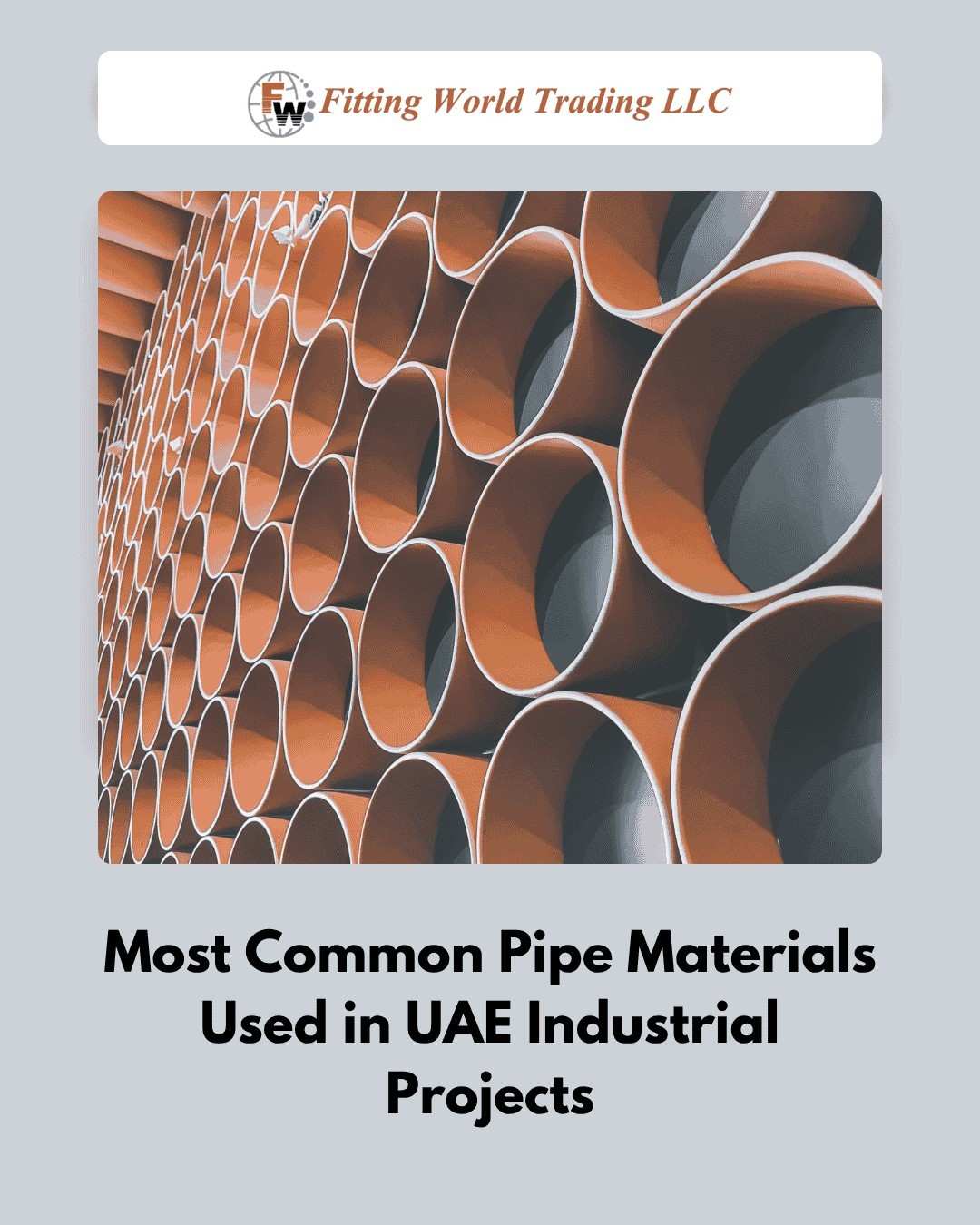
Most Common Pipe Materials Used in UAE Industrial Projects

Piping systems form the backbone of industrial infrastructure in the UAE, serving critical roles in oil and gas, chemical plants, water supply, and wastewater treatment. Selecting the right pipe material is crucial for durability, efficiency, and safety, especially in harsh conditions like high temperatures, humidity, and saline air.

Using the wrong material can cause corrosion, leaks, frequent maintenance, or operational failures. Common materials include steel pipes, plastic-based pipes, and specialized options such as copper, HDPE, and cast iron, each suited for specific applications.

Partnering with a trusted pipes supplier in UAE ensures high-quality materials and reliable guidance for long-lasting, efficient industrial pipelines.

Steel Pipes

Steel remains one of the most widely used pipe materials in UAE industrial projects because of its strength, durability, and long service life. Different types of steel pipes are preferred depending on the application:

Mild Steel (MS):

Mild steel is a versatile and cost-effective choice suitable for pipelines in a variety of industrial applications. Many projects source high-quality MS pipes from trusted suppliers offering carbon steel pipe, which ensures consistent performance. Mild steel is ideal for carrying water, compressed air, or non-corrosive fluids under moderate pressure.

Advantages:

  • Affordable and widely available
  • Strong enough for medium-pressure applications
  • Easy to fabricate and install

Limitations:

  • Prone to corrosion in coastal or humid environments unless coated or protected

Stainless Steel:

Stainless steel pipes are vital for environments that demand corrosion resistance, high-temperature tolerance, and long-term durability. They are widely used in industries such as oil and gas, chemical processing, and desalination plants.

Common grades include 304 and 316, with Grade 316 preferred in highly corrosive environments due to its superior resistance to chlorides.

Advantages:

  • Highly resistant to corrosion and chemical damage
  • Suitable for high-pressure and high-temperature fluids
  • Long-lasting and low-maintenance

Limitations:

  • Higher cost compared to mild or carbon steel
  • Requires specialized welding and handling in large projects

Common UAE Applications:

  • Offshore pipelines
  • Desalination plants
  • Chemical and petrochemical facilities

Seamless (SMLS) Pipes:

Seamless steel pipes are manufactured without welded joints, providing uniform strength and excellent pressure resistance. In Dubai, these pipes are widely used for high-pressure pipelines, steam lines, and petrochemical applications.

Advantages:

  • Handles high pressure and temperature efficiently
  • No weak points from welding
  • High mechanical strength and reliability

Limitations:

  • More expensive than welded pipes
  • Limited availability in extremely large diameters

Welded ERW Pipes:

Welded ERW (Electric Resistance Welded) pipes are widely used for medium-pressure applications, including water supply, HVAC, and industrial fluid transport. Welded ERW is an economical choice for projects requiring long pipe lengths with consistent diameter.

Advantages:

  • Cost-effective for medium-pressure applications
  • Easier to produce in long lengths
  • Good for general industrial pipelines

Limitations:

  • Slightly lower strength than seamless pipes
  • Weld seams can be a potential weak point under extreme conditions

Plastic-Based Pipes

Plastic piping is gaining popularity in UAE industrial projects due to lightweight construction, chemical resistance, and ease of installation. Common plastic pipe types include PPR, PVC, and CPVC:

PPR (Polypropylene Random Copolymer):

Known for its resistance to heat, pressure, and chemical corrosion, PPR is widely used in residential, commercial, and industrial water systems. Its non-toxic nature makes it suitable for potable water pipelines.

Advantages:

  • Long-lasting and corrosion-resistant
  • Handles high pressure and temperature
  • Lightweight and easy to install

Limitations:

  • Limited suitability for high-pressure petrochemical pipelines

PVC (Polyvinyl Chloride):

PVC is a durable, affordable, and corrosion-resistant option. It is commonly used for water distribution, drainage, and irrigation networks.

Advantages:

  • Cost-effective and widely available
  • Resistant to chemical corrosion
  • Lightweight and easy to cut/install

Limitations:

  • Not suitable for high-temperature fluids
  • Can become brittle in extreme cold or UV exposure

CPVC (Chlorinated Polyvinyl Chloride):

CPVC provides enhanced resistance to heat, water, and chemicals compared to standard PVC. It is often used for industrial water, oil, and chemical pipelines.

Advantages:

  • Handles higher temperatures than PVC
  • Resistant to corrosion and chemical degradation

Limitations:

  • More expensive than PVC
  • Requires careful installation to avoid stress fractures

Other Common Materials

  • Copper: Copper is valued for its thermal conductivity and corrosion resistance, often used in heating systems or smaller pipelines. Copper pipes are sometimes coated with PVC to improve durability and protect against environmental damage.
  • HDPE (High-Density Polyethylene): HDPE is flexible, lightweight, and corrosion-resistant, making it suitable for water, sewage, and chemical transport systems. HDPE’s flexibility allows it to withstand ground movement without cracking, which is particularly beneficial in large infrastructure projects.
  • Cast Iron: Cast iron pipes are used primarily for drainage and sewer systems due to their strength, fire resistance, and ability to handle heavy loads. They remain a durable choice in municipal and industrial projects where long-term reliability is critical.

Factors to Consider When Choosing Pipe Materials

Selecting the right pipe material depends on several key factors:

  1. Corrosion Resistance: Coastal and industrial regions require materials that can resist saline air and chemical exposure. Stainless steel, HDPE, and coated carbon steel are ideal choices.
  2. Temperature and Pressure: High-temperature steam or high-pressure fluids demand robust materials like stainless steel, seamless pipes, or carbon steel.
  3. Cost and Maintenance: Some materials may have higher upfront costs but reduce long-term maintenance and replacement expenses.
  4. Project Type: Water, wastewater, gas, and petrochemical pipelines each have unique requirements that influence material selection.
  5. Installation Flexibility: Lightweight materials such as PPR and HDPE simplify installation and reduce labor costs, which is important in complex industrial layouts.

FAQs 

What is the most commonly used material in pipe manufacturing?

Steel, particularly carbon steel and mild steel, is the most commonly used material in pipe manufacturing due to its strength, durability, and versatility across industrial applications.

Which material’s pipe is used for industrial locations pipeline?

Industrial pipelines often use stainless steel or carbon steel pipes because they can withstand high pressure, temperature, and corrosive environments.

What is the primary material for piping?

The primary material for piping varies by application, but steel (carbon or stainless) remains the standard for high-pressure and industrial systems, while plastics like PVC and PPR are popular for water and chemical transport.

What is the most common pipe material used in the petrochemical and petroleum industry?

Carbon steel and seamless steel pipes (SMLS) are widely used in petrochemical and petroleum pipelines due to their ability to handle high pressure, high temperature, and corrosive fluids.

Conclusion

Industrial pipelines in the UAE must endure harsh conditions while ensuring safety, durability, and efficiency. Steel pipes including Carbon Steel (CS), Stainless Steel, Seamless (SMLS), and Welded ERW are ideal for high-pressure and high-temperature applications.

Plastic options such as PPR, PVC, and CPVC provide cost-effective, corrosion-resistant solutions for water and chemical systems, while materials like copper, HDPE, and cast iron are used for specialized applications.

Fitting World Trading stands out as a leading pipe and fittings supplier in the UAE, offering high-quality industrial materials tailored to the region’s demanding environments. Choosing the right steel, plastic, or specialty pipes ensures safe, durable, and efficient industrial pipelines in the UAE’s harsh environments.

Explore More Expert Insights

Discover guides on carbon & stainless steel pipes, flanges, fittings, and high-pressure products for your next project.

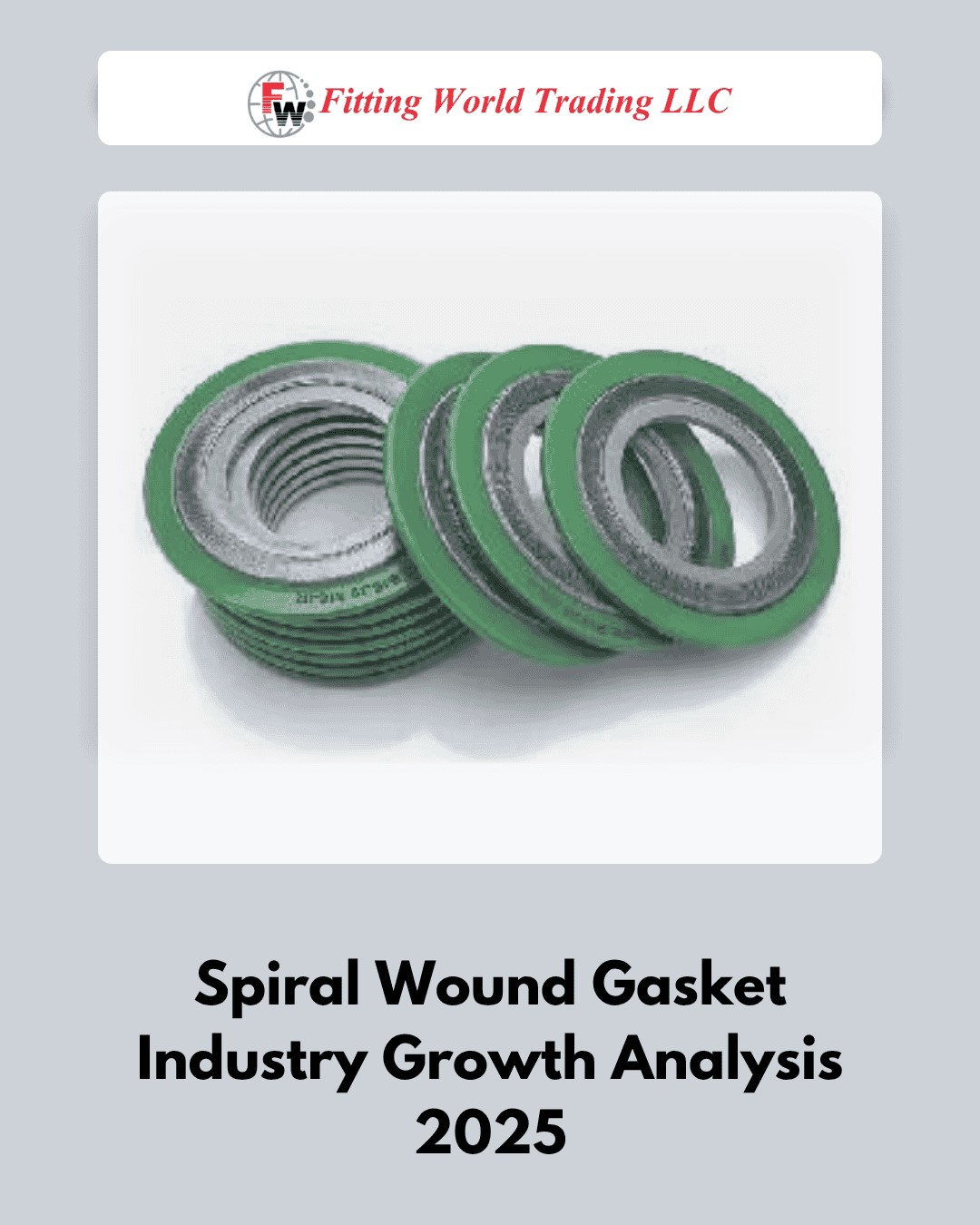
Spiral Wound Gasket Industry Growth Analysis 2025

The spiral wound gasket industry is experiencing strong momentum in 2025 as global demand for reliable sealing solutions continues to grow. With expanding oil and gas projects, increasing focus on industrial safety, and rising infrastructure investments, the spiral wound gasket market is set to reach new heights.

In this complete growth analysis, we explore the market size, trends, applications, and opportunities that make spiral wound gaskets one of the most trusted sealing products today.

What is a Spiral Wound Gasket?

A spiral wound gasket is an advanced industrial sealing device made of alternating layers of metal and filler material. This design provides tight sealing even under fluctuating temperature and pressure. It is widely used in oil refineries, chemical plants, power stations, and marine engineering due to its proven durability and reliability.

Unlike conventional gaskets, spiral wound gaskets offer flexibility, leak-proof design, and compatibility with multiple flanges, making them the ultimate industrial choice.

Market Growth Drivers in 2025

The spiral wound gasket industry growth 2025 is shaped by multiple factors fueling market expansion:

  • Oil & Gas Industry Demand – Offshore and onshore drilling projects are boosting gasket consumption.
  • Power Generation Needs – Steam, nuclear, and renewable plants require high-performance sealing systems.
  • Petrochemicals and Chemicals – Spiral wound gaskets ensure leak-free sealing in corrosive environments.
  • Global Safety Regulations – Stricter safety standards are pushing industries to adopt trusted sealing solutions.
  • Infrastructure Development – Rapid construction and industrialization in emerging economies drive gasket demand.

Industry Trends Shaping the Market

The spiral wound gasket market 2025 is evolving with advanced technologies and modern requirements:

  • Eco-Friendly Materials – Manufacturers are adopting asbestos-free, sustainable fillers.
  • Customized Gaskets – Industries are opting for tailor-made gaskets for unique applications.
  • High-Temperature Sealing – Demand for top-quality gaskets that perform under extreme heat and pressure.
  • Affordable Reliability – Growing need for cost-effective yet proven gaskets in developing markets.

These innovations reflect the expert-driven growth strategy of manufacturers adapting to industry needs.

Global Market Outlook 2025

The spiral wound gasket market share is set to expand globally, with specific regions showing stronger adoption:

  • Asia-Pacific – Industrialization, chemical plants, and power projects drive demand.
  • Middle East & Africa – Oil and gas projects dominate market growth.
  • North America & Europe – Strong emphasis on industrial safety compliance and modernization.

This expansion confirms that spiral wound gaskets will remain among the most reliable industrial sealing products worldwide.

Key Applications of Spiral Wound Gaskets

The wide use of spiral wound flange gaskets highlights their critical role in industries:

  • Oil and Gas Pipelines
  • Refineries and Petrochemicals
  • Marine and Shipbuilding
  • Aerospace and Defense
  • Power Generation Plants
  • Chemical Processing Units

Their versatility and proven efficiency make them the top choice for industrial sealing in 2025.

Why Spiral Wound Gaskets Are the Best Choice

Engineers and industrial experts prefer the best spiral wound gaskets for their top sealing performance, proven reliability, and advanced durability.

  • Durability against harsh operating conditions.
  • Flexibility under pressure variations.
  • Leak-Proof Safety ensuring maximum protection.
  • Compatibility across multiple industries.
  • Trusted Performance proven over decades of use.

For businesses seeking the ultimate sealing solution, spiral wound gaskets provide the perfect balance of safety, efficiency, and affordability.

Future Opportunities in the Industry

Looking ahead, the spiral wound gasket industry is poised for exciting opportunities:

  • Smart Manufacturing – Automation and precision engineering in gasket production.
  • Green Energy Projects – Increased demand in renewable and sustainable energy industries.
  • Advanced Materials – New fillers and alloys for longer-lasting performance.
  • Global Expansion – Growing markets in Asia, Africa, and Latin America.

The companies that focus on innovation and sustainability will be the market leaders of tomorrow.

Buy Spiral Wound Gaskets in UAE from a Trusted Supplier

If you are planning to buy spiral wound gaskets in UAE, FW Trading LLC is a trusted supplier known for quality, reliability, and excellent service. The company delivers top-quality industrial sealing solutions designed for industries such as oil and gas, power generation, chemical processing, and marine applications.

When you choose FW Trading, you benefit from expertly engineered gaskets that are built for long-lasting performance, affordable pricing that ensures value without compromising on standards, and a commitment to fast delivery with dependable customer support across the UAE.

FAQs

What is driving the spiral wound gasket industry growth in 2025?

The market is growing due to rising oil and gas exploration, strict safety regulations, power generation needs, and increased demand for affordable sealing solutions.

Which industries use spiral wound gaskets most?

They are widely used in oil and gas, chemicals, power plants, marine, aerospace, and refineries.

Are spiral wound gaskets affordable?

Yes. In 2025, manufacturers are offering affordable yet reliable gaskets designed for both high-performance and cost efficiency.

What regions will see the highest gasket demand?

Asia-Pacific, Middle East, and North America are projected to dominate due to rapid industrial expansion and energy investments.

Why are spiral wound gaskets the best sealing option?

Because they deliver trusted performance, leak-proof safety, durability, and flexibility, making them the ultimate industrial sealing solution.

Conclusion

The spiral wound gasket industry growth analysis 2025 clearly highlights that these gaskets are not just standard industrial products but advanced, proven, and reliable sealing solutions that safeguard critical operations. As global industries continue to expand, the demand for trusted and affordable spiral wound gaskets will only increase.

Companies that adopt innovation, eco-friendly materials, and advanced manufacturing techniques will remain ahead of the competition. For businesses seeking the best industrial sealing option, spiral wound gaskets represent the top choice for safety, efficiency, and long-term value in 2025 and beyond.

Explore More Expert Insights

Discover guides on carbon & stainless steel pipes, flanges, fittings, and high-pressure products for your next project.

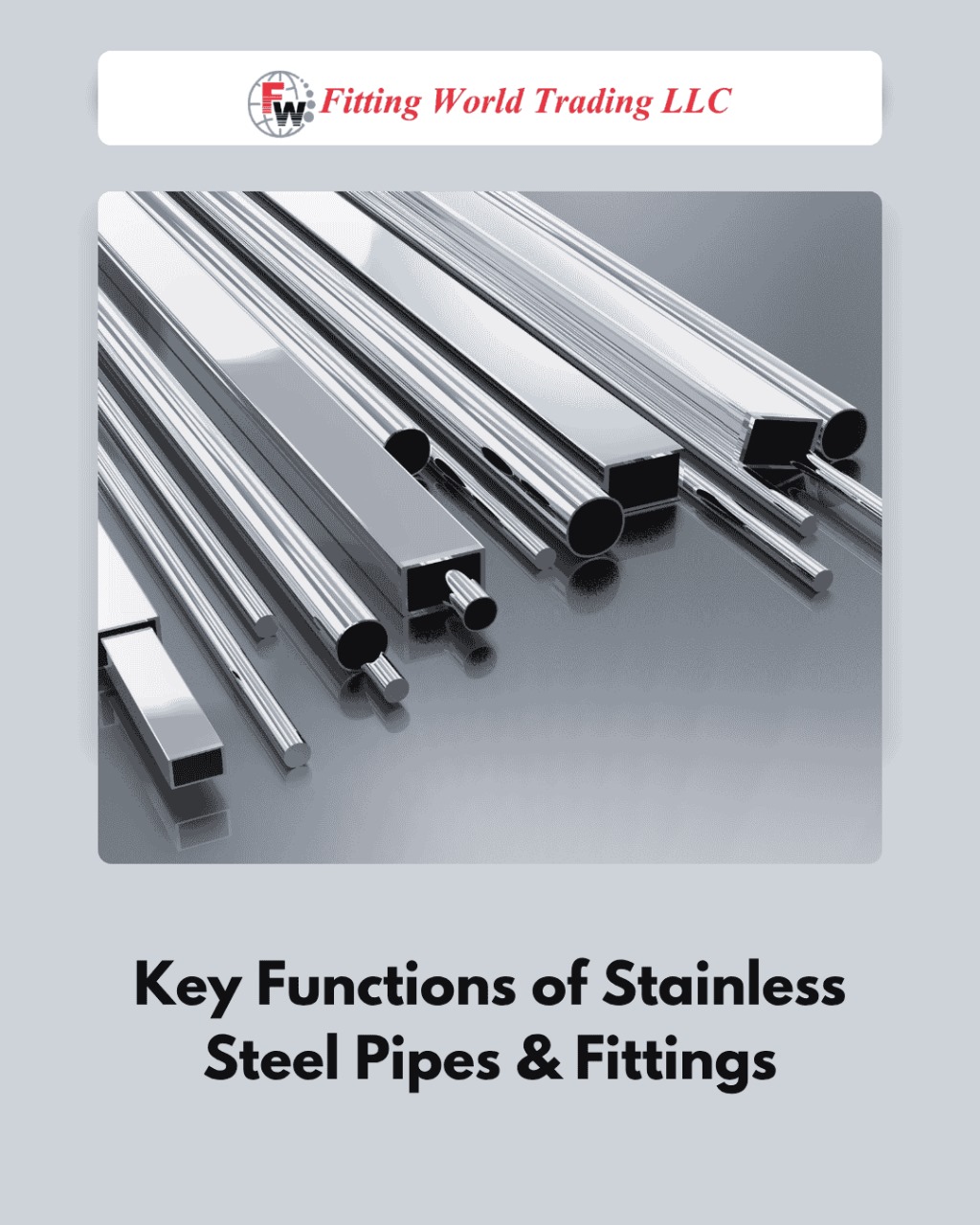
Key Functions & Uses of Stainless Steel Pipe Fittings

Stainless steel pipe fittings are very necessary items in the contemporary infrastructure that is distinguished by robustness, resistance against corrosion, and flexibility. They make fluid transportation safe and efficient and offer structural stability in a diverse array of applications.

Complementary piping materials like Carbon Steel (CS) Pipe and Stainless Steel (SS) Pipe are also used in many sectors to develop high-performing, durable piping systems that can be used in harsh conditions.

Functions & Uses of Stainless Steel Pipe Fittings

1. Secure Connection Between Pipes

Stainless steel fittings such as elbows, tees, flanges, and couplings are engineered to provide tight and leak-proof joints between pipes. Their precision design ensures structural stability even under high pressure or temperature. These fittings are compatible with multiple piping systems, including Seamless (SMLS) pipelines and Welded ERW structures commonly used in industrial applications.

2. Efficient Flow Control and Direction

Pipe fittings are integral to regulating the flow and direction of liquids and gases within a piping system. Reducers, elbows, and valves help control pressure, reduce turbulence, and maintain system efficiency. In mixed-material installations, stainless fittings are often integrated with Galvanized Iron (GI) Pipe to create reliable and cost-effective networks.

3. Corrosion and Temperature Resistance

Among the greatest benefits of stainless steel fittings is the possibility to resist corrosion, chemical attack, and high temperature. This renders them useful in harsh conditions like chemical facilities, marine and power generating systems. In contrast to other materials, stainless fittings maintain their integrity and look even in the presence of moisture, harsh chemicals or changing temperatures in the long term.

4. Hygienic and Easy to Clean

The stainless steel fittings are internally smooth, which removes the buildup of bacteria and makes cleaning and sterilizing the fittings a simple process. They generate contamination free networks that are most suitable to industries that require high hygienic conditions such as food processing, pharmaceutical and beverage manufacturing when used together with Welded ERW pipelines. This property can help save the maintenance costs and can comply with the safety and quality standards.

5. Support for Structural Stability

Beyond transporting fluids, fittings also play a structural role by reinforcing mechanical and pipeline systems. Their strength and durability make them suitable for use alongside Stainless Steel (SS) Pipe in industries such as construction, automotive, and marine operations. They can handle physical stress, vibrations, and load-bearing applications without compromising performance, making them a versatile choice for long-term infrastructure projects.

Uses of Stainless Steel Pipe Fittings in Dubai Industries

1. Construction Industry

In Dubai’s growing construction sector, stainless steel pipe fittings are widely used in plumbing systems to ensure reliable water supply and drainage in both residential and commercial buildings. Their corrosion resistance makes them ideal for high-humidity environments, preventing leaks and deterioration over time. They are also used extensively in HVAC systems to maintain efficient heating and cooling in modern buildings. Many contractors pair these fittings with Carbon Steel (CS) Pipe to create strong, hybrid networks that deliver both performance and longevity.

2. Oil and Gas Industry

The oil and gas sector in Dubai demands materials that can withstand extreme temperatures and highly corrosive environments. Stainless steel fittings are integral to pipelines, refineries, and offshore platforms where they are exposed to hydrocarbons and harsh weather conditions. They are often paired with Seamless (SMLS) and Welded ERW pipes to ensure the safe and efficient transportation of oil and gas products. Their strength and resistance to chemical degradation make them an industry standard for critical energy infrastructure.

3. Chemical Industry

Dubai Chemical plants deal with aggressive chemicals like acids, alkalis and solvents that can easily corrode traditional metals. Fittings made of stainless steel have better resistance to these chemicals, and are therefore considered the best option to safe, long-run operation. Their integrity to withstand hard processing environments is maintained, contrary to simple Galvanized Iron (GI) Pipe that might deteriorate very quickly due to exposure to corrosive fluids. This resistance guarantees that there is minimum downtime and that there is less frequent maintenance.

4. Food and Beverage Industry

The food and beverage sector is very dependent on stainless steel fittings to ensure hygiene and purity of products during production. They are employed in the processing plants to deliver liquids like milk, juice and soft drinks. When they are combined with the stainless steel ss pipe Dubai they create non-reactive and easily cleanable pipelines that do not alter the taste, quality and safety of the products. This would render stainless steel fittings a crucial decision to companies that have high standards of health and quality.

5. Pharmaceutical Industry

Dubai’s pharmaceutical industry depends on fittings that meet high sanitary and safety standards. Stainless steel fittings are used in manufacturing and processing systems where sterility is critical. Their smooth surfaces, corrosion resistance, and ease of sterilization make them ideal for producing medicines and pharmaceutical products. These properties ensure that contamination risks are minimized and production processes remain efficient and compliant with industry standards.

6. Marine Industry

The marine environment in Dubai is characterized by high salt content and humidity, which can rapidly corrode ordinary metals. Stainless steel fittings are extensively used in shipbuilding, desalination plants, and other marine infrastructure to handle systems such as bilge pumps, ballast systems, and pipelines. Their ability to withstand saltwater exposure without rusting makes them a reliable choice for critical marine applications.

7. Automotive Industry

In Dubai’s automotive sector, stainless steel fittings are applied in fuel lines, exhaust systems, and cooling networks. Their ability to endure high temperatures and corrosive exhaust gases enhances vehicle performance and durability. By maintaining their structural integrity under extreme conditions, these fittings contribute to longer service life and reduced maintenance requirements in modern vehicles.

FAQs

What is the function of stainless steel pipe?

The function of stainless steel pipe is to safely transport liquids, gases, or steam while resisting corrosion, high temperatures, and pressure. It ensures a clean, durable, and efficient flow system across industries.

What are the functions of pipe fittings?

Pipe fittings connect, extend, or change the direction and flow within a piping system. They ensure leak-proof joints, proper pressure control, and structural stability in both industrial and commercial applications.

What is the function of stainless steel?

The primary function of stainless steel is to provide strength, durability, and corrosion resistance. Its hygienic and heat-resistant properties make it suitable for harsh environments and sanitary applications.

What are stainless steel fittings used for?

Stainless steel fittings are used to connect and secure pipes in systems requiring durability and hygiene. They’re common in construction, oil and gas, food processing, pharmaceuticals, marine, and automotive industries.

Conclusion

Stainless steel pipe fittings are also critical in achieving efficiency, safety and longevity of the contemporary infrastructure. These are the main roles that make them an essential selection in a myriad of industries: secure pipe connections, flow regulation, corrosion resistance, hygiene and structural support.

When applied to construction, oil and gas, chemical processing, food and beverage manufacturing, pharmaceuticals, marine operations or in the automotive production, these fittings offer long-term reliability and performance that is not readily available to other materials.

They are especially prevalent in Dubai because of the demanding environmental factors and a variety of industries of the region. Combining stainless steel fittings with compatible piping systems such as carbon steel, galvanized iron, seamless or welded pipes, industries enjoy high efficiency, long-term and sustainable solutions to critical infrastructure.

Connect with Fitting World Trading LLC  for premium-quality stainless steel pipes and fittings that meet international standards. FW Trading is a trusted partner for durable, precision-engineered piping solutions for construction, industrial, and commercial applications.

Explore More Expert Insights

Discover guides on carbon & stainless steel pipes, flanges, fittings, and high-pressure products for your next project.

Sign Up to Receive Great Offers!