Offcanvas top

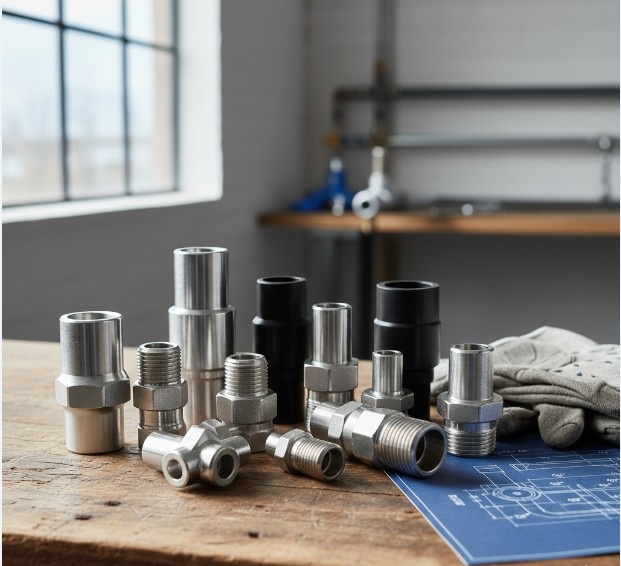
The Complete Guide to Camlock Fittings: Types and Uses

If you work in oil and gas, agriculture, chemical processing, or construction, camlock fittings are likely already part of your daily operations.

Also known as cam and groove couplings, these quick-connect fittings allow hoses and pipes to be connected and disconnected in seconds without any tools. They are the most widely used coupling system in the world, and for good reason.

What Is a Camlock Fitting?

A camlock fitting consists of two parts: a male adapter and a female coupler. The female coupler has cam arms that, when pressed down, lock onto the groove of the male adapter and create a secure, leak-free seal.

This simplicity makes them ideal for any application where hoses need to be changed frequently, where speed matters, or where working conditions are less than clean.

How Camlock Fittings Work and Component Function

Camlock couplings are engineered for fast, secure hose connections using a simple mechanical locking system. Each component plays a specific role in ensuring a tight seal, safe operation, and consistent performance during fluid transfer.

Connection Process
To connect, insert the male adapter into the female coupler and press both cam arms down simultaneously. This action pulls the adapter tightly against the internal gasket, instantly locking the connection in place.

Disconnection Process
To disconnect, lift both cam arms at the same time and pull the halves apart. The entire operation typically takes less than five seconds, making it ideal for fast paced industrial environments.

How Each Component Works

  • Male Adapter
    Provides the insertion point and sealing surface that mates with the gasket.
  • Female Coupler Body
    Houses the cam arms and gasket while aligning both halves for proper sealing.
  • Cam Arms
    Create uniform compression force that locks the adapter securely without tools.
  • Pins and Rings
    Act as pivot points for the cam arms, allowing smooth opening and closing.
  • Gasket Seal
    Forms the leak proof barrier that prevents fluid escape under pressure.

Because the locking system relies on cam geometry instead of torque force, every connection remains consistent with no risk of over tightening or under tightening.

The 8 Standard Camlock Types Explained

Camlock fittings are manufactured to a global standard and come in eight universally recognized types. Each type refers to the configuration of the male or female end and the thread or hose connection on the other end.

Type A is a male adapter with a female threaded end. It connects to female NPT threads on pipes, valves, and pumps.

Type B is a female coupler with a male threaded end. It threads into female-threaded components such as pump inlets and pipe elbows.

Type C is a female coupler with a hose barb shank. It installs directly onto a hose end and is used with a band clamp to secure the connection.

Type D is a female coupler with a female threaded end. It connects onto male-threaded pipe fittings and equipment ports.

Type E is a male adapter with a hose barb shank. Like Type C, it fits onto a hose end and is secured with a clamp.

Type F is a male adapter with a male threaded end. It connects into female-threaded equipment such as tank outlets and valve bodies.

Type DC is a dust cap that fits over the female coupler to protect the internal gasket and seal face during storage or transport.

Type DP is a dust plug that fits into the male adapter for the same protection purpose.

Camlock Materials and What Each One Is Used For

Material selection is where most specification mistakes occur, because choosing the wrong material can lead to corrosion, seal failure, contamination, or premature coupling damage. Below is a clear breakdown of each material and its practical application role.

  • Aluminium
    Lightweight, strong, and economical, aluminum camlocks are ideal for general purpose fluid transfer including fuel, water, oil, and agricultural chemicals.
  • Brass
    Known for excellent corrosion resistance, brass camlocks is commonly used in water, brine, marine, and fuel transfer systems. Its softer composition makes cam arms easier to operate manually, which is useful in frequent connect and disconnect applications.
  • Stainless Steel
    The premium material option designed for high temperatures, aggressive chemicals, and sanitary environments. Industries such as food processing, pharmaceuticals, and chemical manufacturing rely on stainless steel camlocks when durability and hygiene are critical.
  • Polypropylene
    A lightweight, chemical resistant plastic suited for acids, alkalis, fertilizers, and corrosive fluids. It is the most cost effective choice and is widely used in agriculture, water treatment, and light duty chemical handling systems.

Camlock Fitting Sizes

Standard camlock sizes run from half inch to six inches, with polypropylene available up to four inches. The most common industrial sizes are one inch, one and a half inch, two inch, and three inch.

Size is determined by the nominal bore, not the outside diameter. A two-inch male camlock has an outside diameter of approximately two and a half inches, so always specify by nominal size when ordering.

Operating pressure varies by material and size. Most camlocks are rated to 150 PSI at standard conditions, but this drops significantly at elevated temperatures, particularly in polypropylene fittings.

Benefits of Using Camlock Systems

Camlock connectors are engineered to balance speed, safety, and durability.

Key advantages

  • Tool free connection saves time during setup
  • Secure locking mechanism reduces accidental disconnects
  • Interchangeable standards improve equipment compatibility
  • Minimal maintenance lowers lifecycle cost

Manufacturers such as OPW Engineered Systems design advanced camlock systems specifically for demanding industrial environments.

Industrial Applications of Camlock Fittings

Oil and gas operations use camlock couplings for transferring crude oil, diesel, hydraulic fluids, and chemical additives between tanks, trucks, and processing equipment.

Agriculture relies on camlock fittings for irrigation systems, fertilizer transfer, and sprayer connections. Their tolerance for dirty environments and ease of field operation make them the natural choice.

Chemical and pharmaceutical industries specify stainless steel camlocks for aggressive media and hygienic fluid transfer where contamination control is critical.

Construction and water management applications use aluminium and polypropylene camlocks for dewatering pumps, tanker trucks, and temporary water supply lines.

What Camlock Fittings Should Never Be Used For

This is an important safety point that is often overlooked. Camlock fittings are not rated for compressed air, gas, or steam.

If a connected camlock is opened under pressure, the cam arms can release violently, creating a serious safety hazard. Always depressurise any line before disconnecting a camlock fitting.

For gas or steam applications, flanged or threaded connections with appropriate pressure ratings are the correct specification.

How to Choose the Right Camlock Fitting

Use the STAMPED method as your selection checklist. It stands for Size, Temperature, Application, Material, Pressure, End connections, and Delivery requirements.

Start with the fluid being transferred. That determines your material. Then confirm the operating pressure, temperature range, and the thread or hose connection type needed at each end.

If you are connecting dissimilar materials, for example aluminium to polypropylene, avoid mixing them. The differing tolerances can create loose connections and accelerated gasket wear.

FAQs

What are camlock fittings used for

Camlock fittings are used to quickly connect and disconnect hoses or pipes for fluid transfer. They are commonly found in fuel, chemical, water, agricultural, and industrial applications.

How do you choose the right camlock fitting size

You must match the coupling size to the hose inner diameter and system flow requirements. Correct sizing ensures proper sealing, prevents leaks, and maintains efficient pressure levels.

Are camlock fittings interchangeable

Most camlock fittings follow standardized dimensions so different brands can connect together. However, material type, gasket compatibility, and pressure rating must still match the application.

What material is best for camlock fittings

The best material depends on the fluid type, temperature, and environmental conditions. Stainless steel suits harsh chemicals, while aluminum and polypropylene work for lighter duty uses.

Conclusion

Selecting the right camlock fitting is essential for ensuring safe, efficient, and leak free fluid transfer across industrial, commercial, and agricultural operations. Understanding coupling types, materials, sizes, and application requirements allows buyers and engineers to choose solutions that maximize performance, safety, and long term system reliability.

Source the Right Fitting for Your Application

For businesses  in Dubai, United Arab Emirates, seeking reliable industrial coupling solutions, Fitting World Trading LLC is a trusted supplier delivering expert guidance, quality products, and dependable support for professional fluid handling needs.

Contact our camlock coupling specialists to get expert guidance and reliable product recommendations tailored to your fluid transfer system requirements.

Professional Guides on Pipes, Fittings & Industrial Equipment

Discover guides on carbon & stainless steel pipes, flanges, fittings, and high-pressure products for your next project.

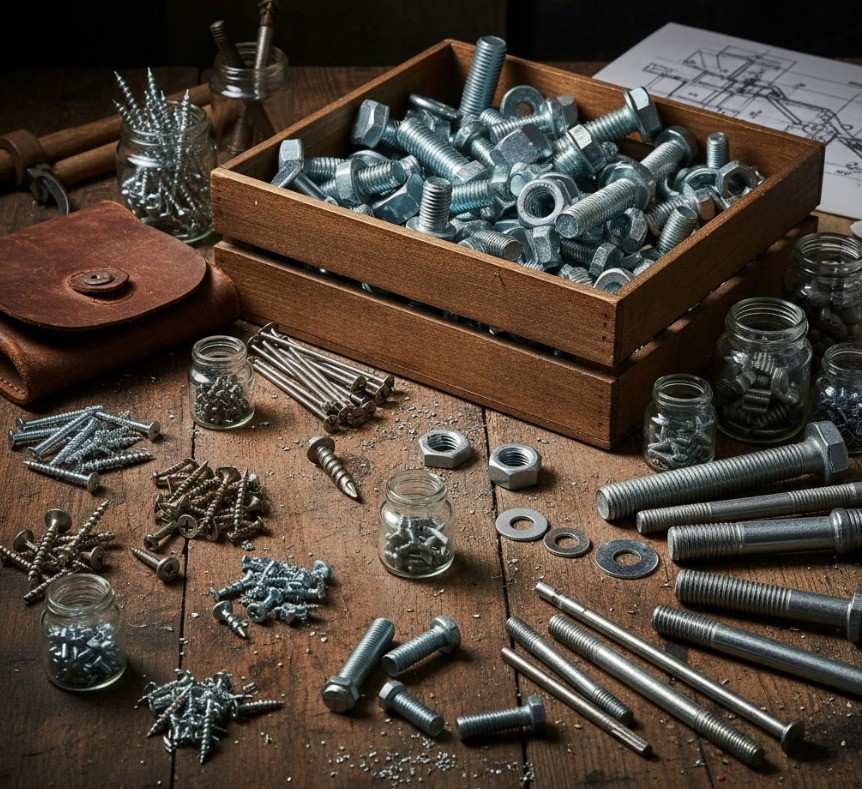
Guide to Fasteners: Screws, Nails, Bolts, and More

Fasteners are the backbone of construction, manufacturing, and DIY projects. Selecting the right screw, nail, or bolt can make the difference between a durable assembly and a structure that fails prematurely.

Understanding their types, applications, and specifications ensures efficiency, safety, and reliability.

What Are Fasteners?

Fasteners are mechanical devices that join or affix materials together. They range from screws, bolts, and nuts to rivets, washers, and specialized industrial connectors.

Each fastener is designed for specific load, material, and environmental requirements. Professionals rely on high-strength fasteners for structural applications, while DIY enthusiasts prioritize versatility and ease of use.

Common Types of Fasteners

Screws

Screws are threaded fasteners that hold materials together by cutting or forming threads in the substrate. They are versatile, offering precise clamping, easy removal, and suitability for wood, metal, and plastic applications. The type of screw you choose depends on the material, load, and installation method.

  • Wood Screws: Designed for joining wooden materials; tapered threads allow easy insertion without splitting wood. For projects requiring both durability and a decorative finish, high-quality Brass screws are a reliable choice that resist corrosion and maintain a polished look.
  • Machine Screws: Used with tapped holes or nuts in metal assemblies; available in fine or coarse threads.
  • Self-Tapping Screws: Create their own threads in softer metals or plastics, eliminating pre-drilling.
  • Deck Screws: Specifically for outdoor decking, corrosion-resistant with specialized coating.
  • Sheet Metal Screws: Sharp threads for securing thin metal sheets or attaching metal to wood/plastic.

Nails

Nails are unthreaded fasteners driven by hammer or nail gun, primarily used in woodworking and light construction. They provide shear strength and are quick to install but are generally less resistant to pull-out than screws.

  • Common Nails: General-purpose nails for framing and construction; strong but simple design.
  • Finishing Nails: Thin, small-headed nails ideal for trim, molding, and decorative work.
  • Ring Shank Nails: Feature ridged shafts for better grip and holding power in wood.
  • Roofing Nails: Designed with large heads and corrosion-resistant coatings for roof installations.

Bolts and Nuts

Bolts are high-strength fasteners used with nuts to clamp materials securely. They are ideal for heavy-duty or structural applications where removable joints are required.

  • Hex Bolts: Standard six-sided head for use with wrenches; widely used in construction and machinery. For businesses and workshops sourcing bulk industrial fasteners, a trusted fasteners supplier can provide a wide range of bolts, nuts, and specialty components.
  • Carriage Bolts: Round, domed head with a square neck to prevent rotation; commonly used in wood.
  • Lag Bolts: Heavy-duty screws with coarse threads for wood or masonry applications.
  • Anchor Bolts: Embedded in concrete to provide strong, permanent fastening points.
  • Nut Types: Include hex nuts, lock nuts, and nylon-insert nuts to prevent loosening.

Washers and Inserts

Washers and threaded inserts enhance fastener performance by distributing load, preventing surface damage, and increasing thread durability.

  • Flat Washers: Evenly distribute pressure and protect surfaces from indentation. Using copper washers can improve corrosion resistance and longevity, especially in plumbing, automotive, and industrial machinery assemblies.
  • Lock Washers: Prevent loosening in high-vibration environments.
  • Spring Washers: Provide tension and maintain a secure fit.
  • Threaded Inserts: Offer durable threads in wood, plastic, or repair applications.

Rivets

Rivets are permanent fasteners used when screws or bolts are impractical. They join materials by deforming the rivet end to secure the assembly.

  • Blind Rivets (Pop Rivets): Installed from one side of a workpiece; common in sheet metal work.
  • Countersunk Rivets: Sit flush with the material surface, providing a smooth finish.
  • Solid Rivets: Require access to both sides; extremely strong and often used in aerospace.

Anchors, Pins, and Clips

Non-threaded fasteners serve specialized purposes where screws or bolts are not suitable.

  • Wall Anchors / Plugs: Secure screws in masonry, drywall, or hollow walls.
  • Pins: Align and hold components, often temporary.
  • Clips and Retainers: Quick-release or fastening solutions in automotive and machinery assemblies.

Materials and Finishes

Fasteners are produced from diverse materials to match application demands. Stainless steel provides corrosion resistance for outdoor or marine environments, while carbon steel maximizes strength at lower cost. Other materials like brass, aluminum, and even plastics serve specialized roles.

Finishes such as zinc plating, hot‑dip galvanizing, and black oxide provide additional protection against environmental degradation and wear.

Understanding Thread Patterns

Selecting the right fastener means understanding thread systems. Fasteners use either metric or imperial (inch) threads. Metric threads are measured in millimeters and pitch, while imperial threads use threads per inch. Mixing systems leads to improper fit and potential thread damage.

Standards like ISO 898 define mechanical properties, tensile strength, and proof loads for metric fasteners, ensuring compatibility and safety in engineered applications.

Fasteners also feature right‑handed and left‑handed threads. Left‑hand threads resist loosening in reverse‑turning applications and can be critical in rotating assemblies or specific industrial uses.

Factors to Consider When Choosing Fasteners

Selecting the right fastener involves understanding the load, environment, and materials involved. Considerations include:

  • Material compatibility: Avoid galvanic corrosion by matching fastener and substrate materials.
  • Load requirements: Ensure the fastener can handle shear, tension, or dynamic forces.
  • Environmental factors: Choose corrosion-resistant fasteners for outdoor or humid conditions.
  • Installation method: Consider whether hand tools, power tools, or specialized equipment will be used.

Fastener Standards and Specifications

Industry standards ensure fasteners meet quality and safety benchmarks. Organizations like ISO, DIN, and ASTM provide specifications for thread sizes, tensile strength, and material composition. Understanding these standards helps buyers make informed decisions and ensures compatibility with machinery and assemblies.

Practical Tips for Fastener Use

  • Pre-drill holes for screws and bolts to prevent material splitting.
  • Use washers to distribute load and prevent surface damage.
  • Avoid over-tightening to prevent stripping threads or weakening the fastener.
  • Store fasteners in dry, organized conditions to prevent corrosion and loss.

Innovative Fastener Solutions

Modern industries increasingly rely on specialized fasteners to improve efficiency, reliability, and ease of maintenance. These solutions address challenges like high vibration, repeated assembly, and rapid installation.

  • Self-Drilling Screws: Feature a drill-like tip that eliminates pre-drilling, reducing installation time and labor costs.
  • Thread-Locking Compounds: Adhesive solutions applied to threads to prevent loosening under vibration or dynamic loads.
  • Quick-Release Fasteners: Designed for assemblies that require frequent maintenance or adjustments, allowing easy removal and reinstallation.

Frequently Asked Questions

What is the difference between a screw and a bolt?

Screws are threaded fasteners that can cut or form their own mating thread in a material. Bolts require a nut or pre-tapped hole to secure parts together effectively.

Can nails be used for metal projects?

Nails are primarily designed for wood and light construction tasks. For metal, rivets or machine screws provide a stronger, safer, and more reliable connection.

How do I prevent fasteners from rusting?

Choose corrosion-resistant materials like stainless steel, brass, or coated fasteners for long-term durability. Applying protective finishes or lubricants further prevents rust and degradation.

What size fastener should I choose?

Fastener size depends on the material thickness, load requirements, and type of connection. Always follow manufacturer specifications for optimal strength and secure assembly.

Conclusion

Fasteners are essential components in construction, manufacturing, and DIY projects. Choosing the right type, material, and size ensures safety, efficiency, and long-lasting performance.

For businesses and residents in Dubai, United Arab Emirates, looking for high-quality fasteners, Fitting World Trading LLC is a trusted source providing expert guidance and reliable support.

Contact our industrial fastening specialists to find the right screws, bolts, or clamps for your project needs.

Professional Guides on Pipes, Fittings & Industrial Equipment

Discover guides on carbon & stainless steel pipes, flanges, fittings, and high-pressure products for your next project.

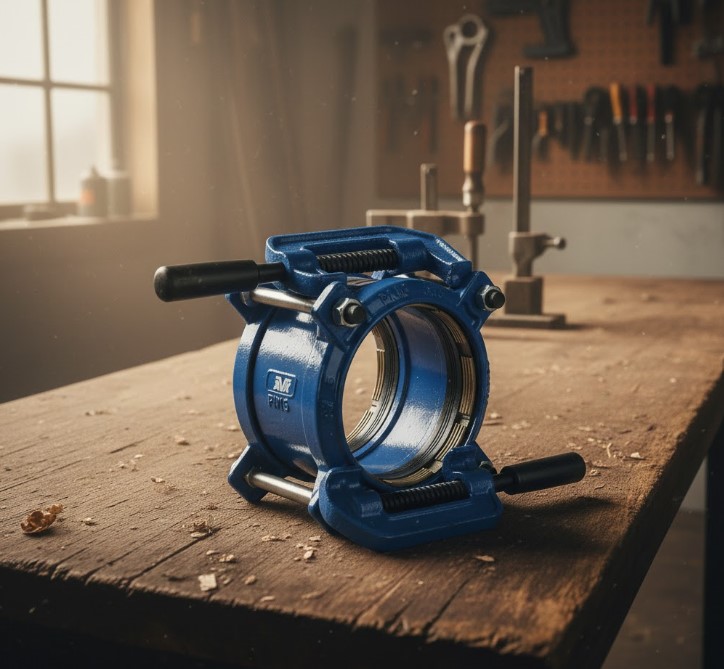
What Are Clamps? A Comprehensive Guide to Types and Uses

Clamps are essential mechanical tools used to hold, secure, press, or stabilize objects during manufacturing, construction, woodworking, metalworking, welding, and maintenance tasks. They play a critical role in ensuring accuracy, safety, and efficiency across industrial and DIY applications.

From holding two wooden boards together during gluing to securing metal pipes or fixing workpieces on CNC machines, clamps are foundational tools in both professional workshops and home environments.

This guide explains what clamps are, how they work, why they matter, the main clamp types, their real-world uses, and how to choose the right clamp for your application.

What Is a Clamp?

A clamp is a mechanical fastening device designed to apply compressive force to hold objects firmly in place. Unlike permanent fasteners such as bolts or rivets, clamps are usually temporary, adjustable, and reusable.

Clamps function by converting manual, pneumatic, hydraulic, or spring force into controlled pressure that prevents movement, vibration, or separation of materials during work.

Core clamp entities include:

  • Fixed jaw and movable jaw
  • Screw, lever, cam, or spring mechanism
  • Frame or bar body
  • Pressure pad or clamping face

Why Clamps Matter in Industrial and DIY Work

Clamps directly impact work quality, safety, and productivity. Improper clamping can lead to misalignment, material damage, weak joints, or personal injury.

Key benefits of using the correct clamp include:

  • Improved precision during cutting, drilling, or welding
  • Stronger bonds in gluing and assembly
  • Reduced tool slippage and vibration
  • Enhanced operator safety
  • Consistent repeatable results in production environments

In industries like manufacturing, construction, automotive repair, furniture making, and metal fabrication, clamps are not optional tools but operational necessities.

How Do Clamps Work?

Clamps work by applying uniform pressure between two or more surfaces. The force is generated through different mechanisms depending on the clamp type.

Common force mechanisms include:

  • Screw threads for controlled tightening
  • Spring tension for quick holding
  • Lever or cam action for rapid clamping
  • Hydraulic or pneumatic pressure for high-load industrial applications

The effectiveness of a clamp depends on its clamping force rating, jaw capacity, throat depth, material strength, and surface contact area. For demanding applications, professionals often prefer heavy-duty clamps that deliver high clamping force and long-term durability in industrial environments

Main Types of Clamps and Their Uses

Clamps are available in multiple designs, each engineered to apply controlled pressure for specific materials, workloads, and environments. Understanding the main clamp types and their intended uses helps buyers select the right tool for precision, safety, and efficiency.

C-Clamps (G-Clamps)

C-clamps, also known as G-clamps, are heavy-duty fastening tools characterized by their rigid C-shaped frame and threaded screw mechanism. They are designed to deliver high clamping force and withstand significant pressure, making them a staple in industrial and professional workshops.

Uses

  • Heavy-Duty Holding: Securing metal or wood workpieces during welding, drilling, and grinding operations.
  • Bench Clamping: Fixing materials firmly to workbenches for stable and accurate machining.

Bar Clamps

Bar clamps consist of a long metal bar with a fixed jaw and a movable jaw that slides along the bar. This design allows them to clamp large or wide surfaces while maintaining even pressure across the workpiece.

Bar clamps are especially valued for their reach and adjustability.

Uses

  • Panel Gluing: Holding large boards and panels together during woodworking and furniture assembly.
  • Frame Assembly: Maintaining alignment when assembling cabinets, doors, and tabletops.

F-Clamps

F-clamps are a versatile variation of bar clamps, featuring a fixed jaw and a sliding jaw arranged in an “F” configuration. They offer a balance between strength and flexibility and are lighter than traditional bar clamps, making them easy to handle in daily workshop tasks.

Uses

  • General-Purpose Clamping: Holding materials during light to medium-duty tasks in carpentry, electrical installation, and general workshop environments.
  • Quick Adjustments: Allowing fast repositioning for repetitive tasks in maintenance, repair, and fabrication workshops.

Pipe Clamps

Pipe clamps use threaded pipes as the main structural element, allowing users to adjust clamp length by changing the pipe size. This modular design makes pipe clamps highly adaptable for large-scale projects and long workpieces.

Uses

  • Wide Surface Assembly: Clamping tabletops, doors, and long boards in woodworking shops and furniture production facilities.
  • Custom-Length Clamping: Supporting large-scale assemblies in construction, framing, and custom fabrication projects.

Spring Clamps

Spring clamps operate using internal spring tension to apply pressure when the handles are released. They are compact, lightweight, and designed for quick, one-handed operation rather than high clamping force.

  • Uses
    Temporary Holding: Securing lightweight materials such as fabric, plastic, or thin wood in DIY projects, craft workshops, and packaging operations.
  • Quick Positioning: Holding components briefly during setup in electronics assembly and light manufacturing.

Toggle Clamps

Toggle clamps use a lever-action locking mechanism that applies consistent and repeatable clamping force. Once engaged, the clamp locks securely in place, making it ideal for repetitive operations and precision setups.

Uses

  • Fixture Holding: Securing workpieces in jigs and fixtures in CNC machining, metalworking, and precision manufacturing industries.
  • Repetitive Operations: Speeding up production cycles in assembly lines, welding stations, and industrial automation setups.

Hose Clamps

Hose clamps are circular fastening devices designed specifically to secure hoses onto fittings or pipes. They apply radial pressure to prevent leaks and disconnections in pressurized systems.

In applications where higher clamping force and improved load distribution are required, such as industrial piping and fire protection systems, a double bolt clamp is commonly used to ensure secure and reliable connections.

Uses

  • Leak Prevention: Securing hoses to fittings to prevent fluid or air leaks in automotive, plumbing, and industrial fluid systems.
  • System Connections: Maintaining reliable hose connections in HVAC, agriculture irrigation, and process industries.

Welding Clamps

Welding clamps are specialized clamps built to withstand high temperatures and maintain precise alignment during welding processes. They are designed to hold metal parts firmly without shifting under heat.

Uses

  • Joint Alignment: Holding metal components in position during welding in metal fabrication, shipbuilding, and structural steel industries.
  • High-Temperature Stability: Preventing movement or distortion under heat in automotive body repair and heavy engineering workshops.

Clamp Materials and Construction Standards

Materials

Clamps are commonly manufactured from:

  • Cast iron
  • Drop-forged steel
  • Stainless steel
  • Aluminum alloys
  • Reinforced polymers

In critical pipe repair and joining applications, stainless steel solutions like SS straub clamp are widely used due to their corrosion resistance, pressure handling capability, and suitability for industrial and infrastructure projects.

Construction Standards

Quality clamps follow international standards such as:

  • DIN standards for industrial tools
  • ISO quality management guidelines
  • Manufacturer-specific load ratings

How to Choose the Right Clamp for Your Application

Selecting the correct clamp depends on several factors:

  1. Material Compatibility: Consider whether the clamp will be used on wood, metal, plastic, or composite materials, as different surfaces require different pressure levels and jaw designs.
  2. Clamping Force: Evaluate the amount of pressure needed to hold the workpiece securely without causing deformation, especially for delicate or thin materials.
  3. Jaw Capacity and Throat Depth: Ensure the clamp can open wide enough and reach deep enough to accommodate the size and shape of the workpiece.
  4. Application Type: Identify whether the clamp is intended for temporary holding, precision alignment, or long-term pressure during processes like gluing or welding.
  5. Working Environment: Choose clamps that can withstand heat, moisture, vibration, or chemical exposure, depending on the industry and operating conditions.
  6. Ease of Adjustment: Look for quick-release or fast-adjust mechanisms if the task requires frequent repositioning or repetitive clamping.
  7. Durability and Build Quality: Select clamps made from high-quality materials such as forged steel or reinforced alloys for consistent performance and long service life.
  8. Industry Standards and Support: Prefer clamps that meet recognized standards and are backed by manufacturer warranties and reliable after-sales support.

Leading Clamp Brands

Well-known clamp brands include:

  • Bessey
  • Irwin
  • Stanley
  • DeWalt
  • Mitutoyo (for precision fixtures)
  • Gedore and Yato (industrial hand tools)

Authorized clamp suppliers of these brands ensure you get genuine products, backed by manufacturer warranties, reliable after-sales support, and easy access to replacement parts for long-term use and maintenance.

FAQs

What are clamps used for?

Clamps are used to hold, secure, or align materials during cutting, drilling, welding, or assembly. They ensure stability, precision, and safety in industrial and DIY tasks.

What is the most common type of clamp?

C-clamps and bar clamps are the most widely used due to their versatility and strong holding capacity. They are common in workshops, woodworking, and metal fabrication.

How do I choose the right clamp?

Select a clamp based on material type, required clamping force, jaw capacity, and application environment. Consider durability, adjustment ease, and industry standards for best results.

Can clamps damage materials?

Yes, excessive pressure or incorrect clamp selection can dent or deform surfaces. Always match the clamp type and force to the material and task for safe use.

Conclusion

Clamps are essential tools for ensuring precision, safety, and efficiency across industrial, construction, and DIY applications. Understanding the different types, such as C-clamps, bar clamps, F-clamps, pipe clamps, spring clamps, toggle clamps, hose clamps, and welding clamps, helps you select the right solution for your specific material, workload, and industry.

By considering factors like clamping force, jaw capacity, durability, and application environment, you can achieve optimal performance and maintain safety in every project.

For businesses and residents in Dubai, United Arab Emirates, looking for high-quality clamps and dependable industrial fastening solutions, Fitting World Trading LLC is a trusted source providing expert guidance and reliable support.

Contact our industrial clamp specialists to find the right clamps for safe, precise, and reliable industrial or DIY projects.

Expert Guides on Pipes, Fittings & Industrial Solutions

Discover guides on carbon & stainless steel pipes, flanges, fittings, and high-pressure products for your next project.

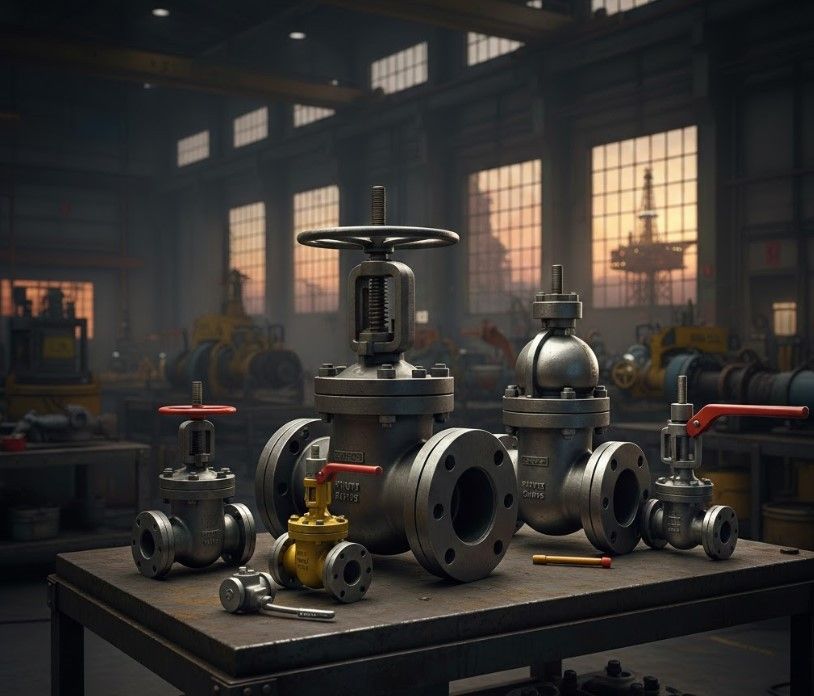
Which High Pressure Valves Are Best for Oil and Gas

Selecting the right high pressure valves for oil and gas operations is a safety critical and cost defining decision. These valves operate under extreme pressure temperature and corrosive media where failure can lead to downtime environmental risk and major financial loss.

Buyers searching for the best high pressure valves want clarity on valve types, materials standards, trusted manufacturers and how to evaluate long term reliability.

This guide is written for engineers, procurement managers and project owners who need buyer focused insight grounded in real world oil and gas requirements.

Understanding High Pressure Valve Requirements in Oil and Gas

Oil and gas applications involve upstream midstream and downstream systems where pressure ratings often exceed 10000 PSI. Valves must maintain tight shutoff dimensional stability and mechanical strength over long service cycles.

Key operating conditions include

High line pressure and pressure spikes

Valves must withstand extremely high pressures and occasional spikes without leakage. Robust design ensures system integrity under fluctuating conditions.

Sour gas and corrosive fluids

Hydrogen sulfide and other corrosive fluids can degrade materials quickly. Valves must resist corrosion for safe long-term operation.

High temperature flow media

Process fluids often reach very high temperatures that can affect seals and performance. Components must handle thermal stress without failure.

Offshore and desert environments

Extreme environments like salty offshore air or desert heat accelerate wear. Durable materials and coatings ensure reliable operation.

Safety critical isolation and control points

Valves at key control points prevent operational shutdowns and hazards. Precision engineering ensures safe and consistent performance.

Because of these factors valve selection is not only about price but about metallurgy design certification and after sales support.

Common Types of High Pressure Valves Used in Oil and Gas

Different valve designs serve different functions in oil and gas systems. Understanding where each valve performs best helps buyers avoid over specification or premature failure.

Ball Valves for High Pressure Isolation

High pressure ball valves are widely used for on off isolation in pipelines and process systems. They provide quick operation and tight sealing.

Typical applications include

  • Wellhead isolation
  • Pipeline block valves
  • High pressure instrumentation lines

Preferred features include trunnion mounted designs, fire safe construction and metal seated options for abrasive service.

Needle Valves for Precision Pressure Control

Needle valves are essential in high pressure instrumentation systems where precise flow control is required.

Common uses include

  • Pressure gauges
  • Sampling systems
  • Chemical injection lines

These valves are often rated for very high pressures in compact sizes and must be manufactured with extremely tight tolerances.

Gate Valves for Full Bore Flow

High pressure gate valves are used where straight through flow with minimal pressure drop is required.

Typical use cases include

  • Wellhead assemblies
  • High pressure manifolds
  • Production flow lines

Buyers should look for rising stem designs and robust sealing systems for long term reliability.

Check Valves for Backflow Prevention

High pressure check valves protect pumps, compressors and process equipment from reverse flow.

Applications include

  • Pump discharge lines
  • Gas compression systems
  • High pressure injection systems

Spring loaded and piston type designs are commonly used in oil and gas installations.

Materials and Standards That Define Quality

Material selection directly affects valve life cycle performance in oil and gas environments.

Common Valve Materials

Material selection directly influences how high pressure valves perform over their service life in oil and gas systems. Valves must resist deformation corrosion and fatigue while operating under extreme pressure and temperature conditions.

Stainless steel grades such as 316 and 316L are widely used for their corrosion resistance, while carbon steel is suitable for general high pressure applications. For sour gas high temperature and chemically aggressive environments, alloy steels like Inconel Monel and Hastelloy provide superior strength and durability. Material traceability and certification should always be verified before procurement.

Industry Standards and Certifications

Reliable high pressure valves comply with globally recognized standards such as API ASME and ISO. For oil and gas buyers this ensures compatibility with project specifications and regulatory requirements.

Buyers should select valves manufactured in accordance with API 6A or API 6D and designed to meet applicable ASME pressure classes. For sour service conditions, NACE compliance is essential to ensure resistance to hydrogen sulfide related corrosion and long term system integrity.

How to Evaluate High Pressure Valves Before Buying

Buyers should evaluate valves beyond basic pressure rating. The following criteria help reduce long term risk.

Key Evaluation Criteria

The table below summarizes what buyers should assess before selection.

Evaluation Area What to Check
Pressure rating Maximum working and test pressure
Temperature range Suitability for process conditions
Sealing system Soft seat vs metal seat options
Certification API, ASME, NACE compliance
Testing Hydrostatic and gas testing procedures
Traceability Heat numbers and material reports

Supplier Capability and Support

In oil and gas projects supplier reliability matters as much as product quality. A strong supplier provides technical guidance documentation and after sales support.

Buyers should prefer suppliers that offer

  1. Engineering support for valve selection
  2. Local stock availability for urgent needs
  3. Warranty coverage and replacement assurance
  4. Experience supplying oil and gas projects

Accurate measurement and inspection during installation are also critical for valve performance. Many engineers complement their valve systems with high-pressure fittings to ensure complete, durable systems that withstand harsh conditions and maintain long-term efficiency.

Buyer Guidance Summary

Choosing the best high pressure valves for oil and gas requires aligning valve type material standards and supplier capability with the actual application. Over specifying increases cost while under specifying increases risk.

Buyers who focus on certified products, proven brands and knowledgeable suppliers achieve safer and more cost effective systems.

FAQs

What are high pressure valves used for in oil and gas

High pressure valves are used to control, isolate and regulate the flow of fluids and gases in upstream midstream and downstream systems operating under extreme pressure conditions.

Which valve material is best for high pressure oil and gas applications

Alloy steels such as Inconel Monel and stainless steel 316 are preferred due to their strength, corrosion resistance and suitability for high temperature and sour service environments.

How do I choose the right high pressure valve for my application

The right valve is selected based on pressure rating temperature range media type industry standards and the specific function such as isolation control or backflow prevention.

Are API certified valves mandatory for oil and gas projects

Most oil and gas projects require API certified valves to meet safety regulatory and operational standards especially in critical pressure containing applications.

Final Thoughts

Selecting the right high pressure valves for oil and gas applications is a critical decision that directly impacts operational safety system efficiency and long term reliability. By focusing on the correct valve type material compatibility industry certifications and supplier credibility buyers can minimize risk while ensuring consistent performance in demanding pressure environments.

For reliable high pressure valves certified to international oil and gas standards and backed by expert technical support, Fitting World Trading is a trusted supplier of high quality industrial valves and flow control solutions in UAE, supporting engineers and project teams with dependable products and professional guidance for every stage of their installation.

Contact our industrial valve specialists today to find the right high pressure valves for safe and reliable oil and gas operations.

Expert Guides on Pipes, Fittings & Industrial Solutions

Discover guides on carbon & stainless steel pipes, flanges, fittings, and high-pressure products for your next project.

Sign Up to Receive Great Offers!