Offcanvas top

Which High Pressure Valves Are Best for Oil and Gas

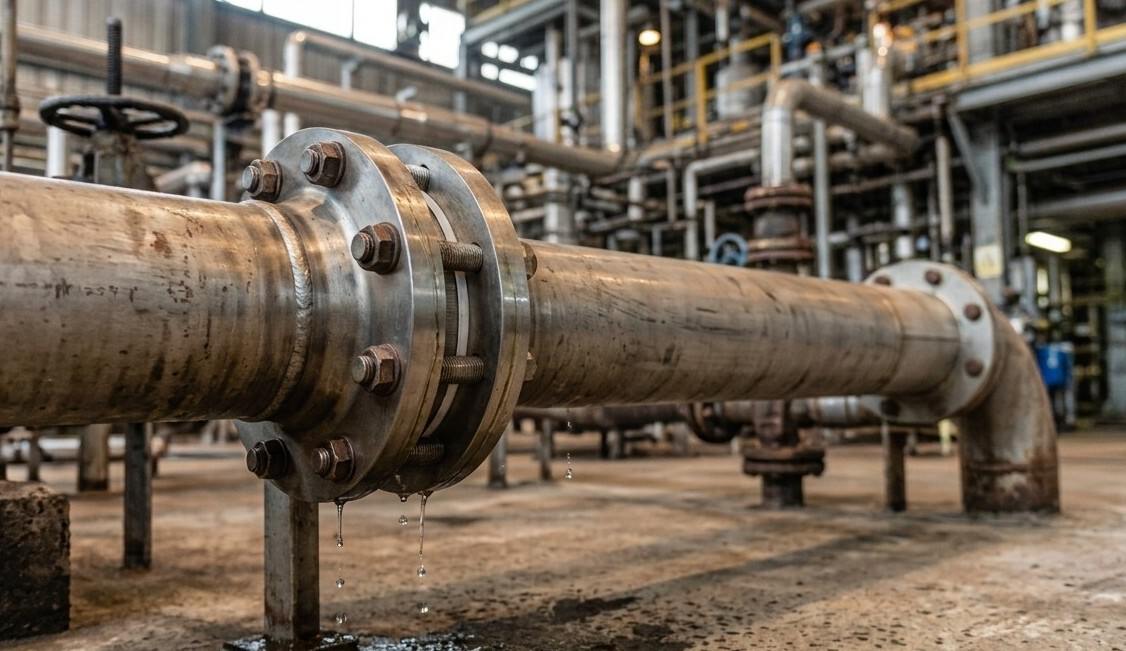
Selecting the right high pressure valves for oil and gas operations is a safety critical and cost defining decision. These valves operate under extreme pressure temperature and corrosive media where failure can lead to downtime environmental risk and major financial loss.

Buyers searching for the best high pressure valves want clarity on valve types, materials standards, trusted manufacturers and how to evaluate long term reliability.

This guide is written for engineers, procurement managers and project owners who need buyer focused insight grounded in real world oil and gas requirements.

Understanding High Pressure Valve Requirements in Oil and Gas

Oil and gas applications involve upstream midstream and downstream systems where pressure ratings often exceed 10000 PSI. Valves must maintain tight shutoff dimensional stability and mechanical strength over long service cycles.

Key operating conditions include

High line pressure and pressure spikes

Valves must withstand extremely high pressures and occasional spikes without leakage. Robust design ensures system integrity under fluctuating conditions.

Sour gas and corrosive fluids

Hydrogen sulfide and other corrosive fluids can degrade materials quickly. Valves must resist corrosion for safe long-term operation.

High temperature flow media

Process fluids often reach very high temperatures that can affect seals and performance. Components must handle thermal stress without failure.

Offshore and desert environments

Extreme environments like salty offshore air or desert heat accelerate wear. Durable materials and coatings ensure reliable operation.

Safety critical isolation and control points

Valves at key control points prevent operational shutdowns and hazards. Precision engineering ensures safe and consistent performance.

Because of these factors valve selection is not only about price but about metallurgy design certification and after sales support.

Common Types of High Pressure Valves Used in Oil and Gas

Different valve designs serve different functions in oil and gas systems. Understanding where each valve performs best helps buyers avoid over specification or premature failure.

Ball Valves for High Pressure Isolation

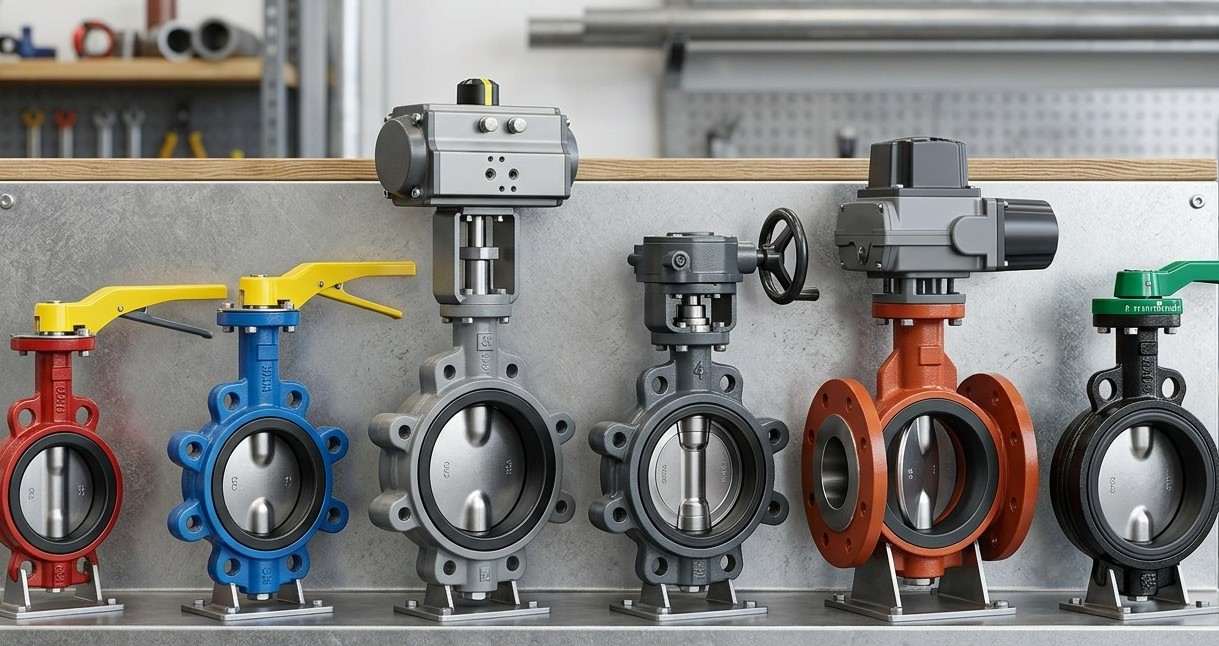
High pressure ball valves are widely used for on off isolation in pipelines and process systems. They provide quick operation and tight sealing.

Typical applications include

  • Wellhead isolation
  • Pipeline block valves
  • High pressure instrumentation lines

Preferred features include trunnion mounted designs, fire safe construction and metal seated options for abrasive service.

Needle Valves for Precision Pressure Control

Needle valves are essential in high pressure instrumentation systems where precise flow control is required.

Common uses include

  • Pressure gauges
  • Sampling systems
  • Chemical injection lines

These valves are often rated for very high pressures in compact sizes and must be manufactured with extremely tight tolerances.

Gate Valves for Full Bore Flow

High pressure gate valves are used where straight through flow with minimal pressure drop is required.

Typical use cases include

  • Wellhead assemblies
  • High pressure manifolds
  • Production flow lines

Buyers should look for rising stem designs and robust sealing systems for long term reliability.

Check Valves for Backflow Prevention

High pressure check valves protect pumps, compressors and process equipment from reverse flow.

Applications include

  • Pump discharge lines
  • Gas compression systems
  • High pressure injection systems

Spring loaded and piston type designs are commonly used in oil and gas installations.

Materials and Standards That Define Quality

Material selection directly affects valve life cycle performance in oil and gas environments.

Common Valve Materials

Material selection directly influences how high pressure valves perform over their service life in oil and gas systems. Valves must resist deformation corrosion and fatigue while operating under extreme pressure and temperature conditions.

Stainless steel grades such as 316 and 316L are widely used for their corrosion resistance, while carbon steel is suitable for general high pressure applications. For sour gas high temperature and chemically aggressive environments, alloy steels like Inconel Monel and Hastelloy provide superior strength and durability. Material traceability and certification should always be verified before procurement.

Industry Standards and Certifications

Reliable high pressure valves comply with globally recognized standards such as API ASME and ISO. For oil and gas buyers this ensures compatibility with project specifications and regulatory requirements.

Buyers should select valves manufactured in accordance with API 6A or API 6D and designed to meet applicable ASME pressure classes. For sour service conditions, NACE compliance is essential to ensure resistance to hydrogen sulfide related corrosion and long term system integrity.

How to Evaluate High Pressure Valves Before Buying

Buyers should evaluate valves beyond basic pressure rating. The following criteria help reduce long term risk.

Key Evaluation Criteria

The table below summarizes what buyers should assess before selection.

Evaluation Area What to Check
Pressure rating Maximum working and test pressure
Temperature range Suitability for process conditions
Sealing system Soft seat vs metal seat options
Certification API, ASME, NACE compliance
Testing Hydrostatic and gas testing procedures
Traceability Heat numbers and material reports

Supplier Capability and Support

In oil and gas projects supplier reliability matters as much as product quality. A strong supplier provides technical guidance documentation and after sales support.

Buyers should prefer suppliers that offer

  1. Engineering support for valve selection
  2. Local stock availability for urgent needs
  3. Warranty coverage and replacement assurance
  4. Experience supplying oil and gas projects

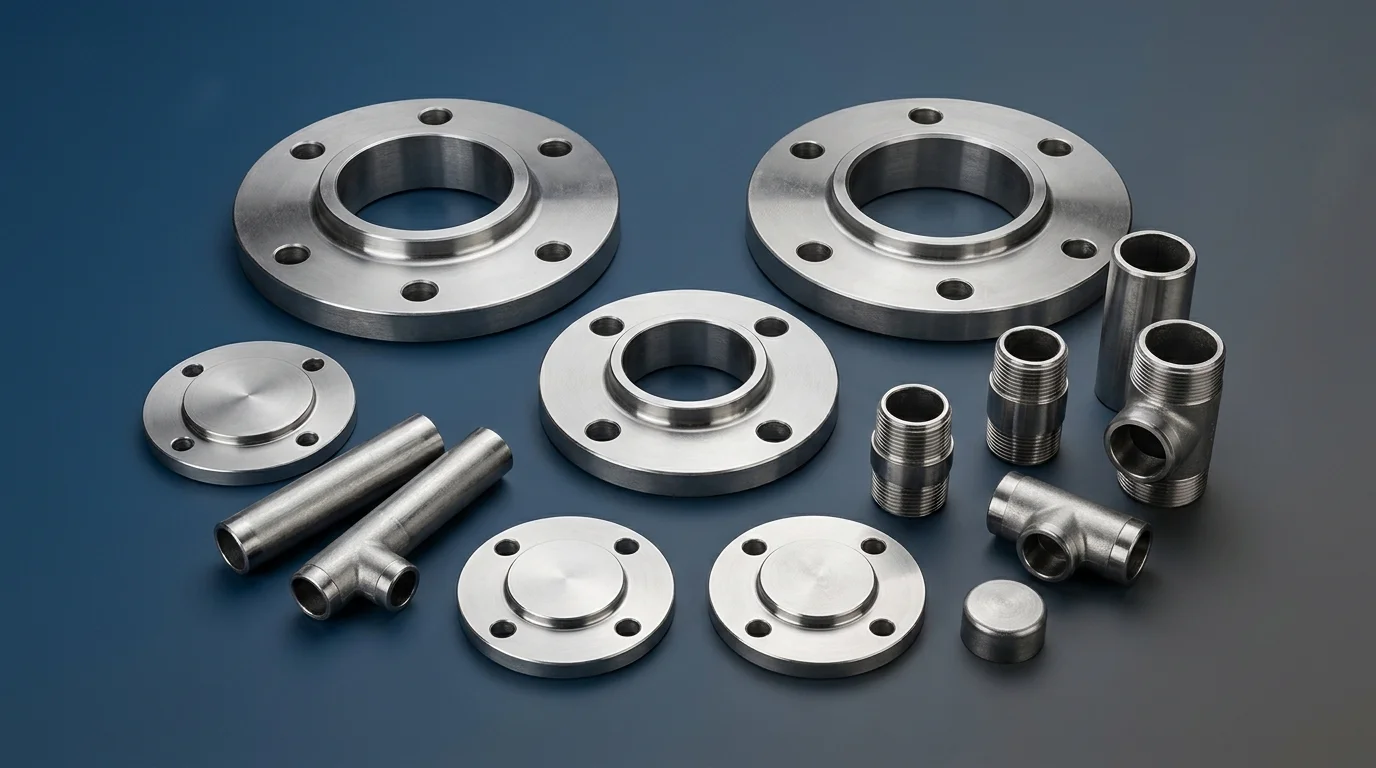
Accurate measurement and inspection during installation are also critical for valve performance. Many engineers complement their valve systems with high-pressure fittings to ensure complete, durable systems that withstand harsh conditions and maintain long-term efficiency.

Buyer Guidance Summary

Choosing the best high pressure valves for oil and gas requires aligning valve type material standards and supplier capability with the actual application. Over specifying increases cost while under specifying increases risk.

Buyers who focus on certified products, proven brands and knowledgeable suppliers achieve safer and more cost effective systems.

FAQs

What are high pressure valves used for in oil and gas

High pressure valves are used to control, isolate and regulate the flow of fluids and gases in upstream midstream and downstream systems operating under extreme pressure conditions.

Which valve material is best for high pressure oil and gas applications

Alloy steels such as Inconel Monel and stainless steel 316 are preferred due to their strength, corrosion resistance and suitability for high temperature and sour service environments.

How do I choose the right high pressure valve for my application

The right valve is selected based on pressure rating temperature range media type industry standards and the specific function such as isolation control or backflow prevention.

Are API certified valves mandatory for oil and gas projects

Most oil and gas projects require API certified valves to meet safety regulatory and operational standards especially in critical pressure containing applications.

Final Thoughts

Selecting the right high pressure valves for oil and gas applications is a critical decision that directly impacts operational safety system efficiency and long term reliability. By focusing on the correct valve type material compatibility industry certifications and supplier credibility buyers can minimize risk while ensuring consistent performance in demanding pressure environments.

For reliable high pressure valves certified to international oil and gas standards and backed by expert technical support, Fitting World Trading is a trusted supplier of high quality industrial valves and flow control solutions in UAE, supporting engineers and project teams with dependable products and professional guidance for every stage of their installation.

Contact our industrial valve specialists today to find the right high pressure valves for safe and reliable oil and gas operations.

Expert Guides on Pipes, Fittings & Industrial Solutions

Discover guides on carbon & stainless steel pipes, flanges, fittings, and high-pressure products for your next project.

Advantages of Grooved Fittings in Piping Systems

Modern piping projects demand speed, safety, and long-term reliability. In fire protection, HVAC, plumbing, and industrial pipelines, grooved fittings have become a preferred joining method because they simplify installation while improving system performance.

Based on real site experience in commercial buildings and industrial plants, grooved piping systems consistently reduce downtime, improve alignment, and allow faster commissioning compared to welded or flanged joints.

What Are Grooved Fittings and How Do They Work

Grooved fittings are mechanical pipe joining components used with grooved pipe ends and flexible or rigid couplings. The pipe ends are roll grooved or cut grooved, and a gasket is placed between the pipe ends before tightening the grooved coupling.

This method creates a secure, leak-resistant joint without welding, threading, or adhesives, making it ideal for both new installations and retrofit projects.

Key Components in a Grooved System

Each grooved joint consists of three main parts that work together to seal and lock the connection.

  • Pipe ends with precision grooves
  • Elastomeric gasket that provides sealing
  • Coupling housing with bolts for mechanical restraint

This design allows controlled movement while maintaining pressure integrity, which is critical in dynamic piping environments.

Key Advantages of Grooved Fittings in Piping Systems

This section explains why grooved systems are widely adopted across fire protection, HVAC, plumbing, and industrial piping applications. Each advantage is based on real installation practices and long-term operational performance.

Faster Installation and Reduced Project Timelines

One of the strongest benefits of grooved piping systems is installation speed. For example, using a grooved mechanical tee can connect branch lines quickly, reducing labor and project time significantly.

There is no need for hot work permits, preheating, or post weld inspection, which dramatically shortens project schedules and lowers labor costs.

Practical Site Example: In a mid-size HVAC plant room retrofit, replacing welded joints with grooved couplings reduced installation time by nearly 40 percent. The system was operational in days instead of weeks.

Improved Safety on Job Sites

Grooved systems eliminate welding flames, sparks, and toxic fumes. This significantly improves safety in confined spaces and operational buildings.

Contractors also avoid fire watches and hot work certifications, reducing compliance complexity and insurance exposure.

Lower Total Installed Cost

Although some assume mechanical fittings cost more upfront, the total installed cost is usually lower when labor, tools, and time are considered.

Savings come from reduced workforce hours, minimal equipment requirements, and faster commissioning. Using mechanical pipe fittings also reduces long-term maintenance costs.

Flexibility for Thermal Expansion and Vibration Control

Rigid piping systems are prone to stress due to temperature changes and equipment vibration. Flexible grooved couplings absorb axial movement and angular deflection naturally.

This protects pumps, chillers, and compressors from joint fatigue and premature failures.

Compatibility With Multiple Pipe Materials

Grooved fittings work with carbon steel, stainless steel, ductile iron, and some copper systems. This makes them suitable for mixed material installations.

Contractors often rely on grooved coupling & fittings to join mixed material pipelines securely and efficiently.

Superior Leak Prevention and Joint Reliability

The gasket compression design provides uniform sealing pressure around the entire pipe circumference. Using a certified grooved flange further ensures leak-proof performance under high-pressure and thermal cycling conditions.

Grooved pipe couplings also maintain sealing performance under pressure surges and thermal cycling, making them ideal for fire protection and industrial applications.

Simplified Inspection and Maintenance

Routine inspections are easier because joints are visually accessible and do not require non-destructive testing like weld inspections.

If maintenance is required, technicians can isolate sections quickly without dismantling large pipe segments. Mechanical grooved systems make retrofits and expansions faster and less disruptive.

Common Applications of Grooved Fittings

Because of their flexibility and reliability, grooved systems are now standard in many industries. They are especially popular where downtime and safety risks must be minimized.

Industries That Benefit the Most

  • Fire protection and sprinkler systems
  • HVAC chilled water and heating loops
  • Industrial process pipelines
  • Mining and slurry transfer lines
  • Water treatment and utility piping

How Grooved Systems Support Sustainable Construction

Modern construction prioritizes reduced energy use and material efficiency. Grooved joints help reduce rework and material waste during installation.

They also support modular construction practices where piping skids are preassembled off-site and installed quickly, contributing to sustainability goals.

Choosing the Right Grooved Fittings for Your Project

Not all grooved fittings are identical. Selection should consider pressure rating, temperature range, chemical compatibility, and installation environment.

Always verify gasket material suitability for the fluid type and operating temperature. Confirm that coupling housing and bolt grades match the system pressure class and regulatory standards.

Working with experienced grooved fittings suppliers in UAE ensures you get certified components that meet project specifications and provide long-term reliability for HVAC and industrial piping systems.

AI Overview

Advantages of Grooved Fittings in Piping Systems provide faster installation, leak resistance, safety, and flexibility, making them ideal for HVAC, fire protection, plumbing, and industrial pipelines.

FAQs

What is one advantage of using grooved pipe and fittings rather than threaded steel pipe and fittings?

Grooved pipe and fittings allow faster installation and easier ongoing maintenance, reducing labor and overall project time compared to threaded steel connections.

What are grooved fittings used for?

Grooved fittings are primarily used in HVAC, fire protection, plumbing, and industrial piping systems to securely connect pipes without welding or threading.

What is the purpose of a groove joint?

A groove joint provides a leak-resistant secure connection, accommodates thermal expansion, and greatly simplifies installation in mechanical piping systems.

What are the advantages of pipe fittings?

Pipe fittings ensure leak-proof durable connections, enable flexible piping routing, reduce future maintenance needs, and improve overall system efficiency and safety.

Conclusion

Grooved fittings offer unmatched benefits for modern piping systems, including faster installation, leak-resistant joints, enhanced safety, and long-term maintenance savings. Their flexibility, compatibility with multiple pipe materials, and ability to handle thermal expansion make them ideal for HVAC, fire protection, plumbing, and industrial applications.

For dependable products, certified grooved fittings, and professional technical guidance, Fitting World Trading LLC is a trusted supplier of high-quality industrial fittings and piping solutions in Dubai, UAE, helping contractors and engineers complete efficient and reliable projects.

Talk to our technical experts today to discuss your requirements and select the right fittings for your next installation.

Explore More Expert Insights

Discover guides on carbon & stainless steel pipes, flanges, fittings, and high-pressure products for your next project.

Top 10 Mistakes to Avoid When Installing Industrial Fittings

Installing industrial fittings correctly is critical for system safety, efficiency, and long-term performance. In real industrial environments such as manufacturing plants, oil and gas facilities, HVAC systems, and water treatment projects, even a minor installation error can lead to leaks, pressure loss, or complete system shutdown.

This guide explains the Top 10 Mistakes to Avoid When Installing Industrial Fittings, based on hands-on industry experience and accepted engineering practices.

Why Installation Quality Matters in Industrial Systems

Industrial systems operate under extreme pressure, temperature changes, vibration, and chemical exposure. When industrial pipe fittings are incorrectly installed, the entire piping network becomes vulnerable to failure.

Correct installation reduces maintenance costs, improves operational safety, and ensures compliance with international standards.

Below are the top 10 critical mistakes commonly made during industrial fitting installation, based on real-world industry experience.

1. Selecting the Wrong Fitting Material

Choosing the wrong material is one of the most damaging mistakes made during installation. Many failures occur because installers prioritize availability or cost over application requirements.

Common material selection errors include:

  • Using carbon steel pipe fittings for industrial use in corrosive or chemical environments, leading to rapid rusting and internal wall thinning
  • Installing PVC industrial fittings in high-temperature applications where heat causes deformation and joint failure
  • Ignoring fluid compatibility, allowing aggressive media to attack industrial pipeline fittings over time

In demanding conditions, stainless steel fittings provide superior corrosion resistance, strength, and durability. This is why many engineers prefer stainless steel pipe fittings in Dubai for long-term reliability, reduced maintenance, and compliance with industrial standards.

Material selection must always match pressure, temperature, and media type.

2. Overlooking Actual Pressure and Temperature Conditions

Installers often rely on nominal ratings without accounting for pressure surges or temperature fluctuations. This leads to fittings operating near or beyond their limits.

Real-world systems experience:

  • Startup pressure spikes that exceed normal operating pressure
  • Thermal expansion caused by temperature fluctuations in pipelines
  • Sudden load changes during pump startup or valve closure

Using properly rated pressure-rated fittings with adequate safety margins prevents deformation, leakage, and unexpected failure.

3. Incorrect Thread Sealing and Engagement

Threaded connections fail frequently due to poor sealing practices. Applying too much sealant can crack threads, while insufficient sealant results in leaks.

Common mistakes include:

  • Overusing PTFE tape, which overstresses female threads in industrial fittings
  • Applying sealant unevenly, resulting in pressure leaks at the joint
  • Installing fittings with dirty or damaged threads that prevent proper sealing

Correct installation of threaded pipe fittings requires clean threads, approved sealants, and controlled tightening to achieve a reliable seal.

4. Improper Torque Application

Torque errors are a leading cause of premature fitting failure. Hand tightening is inconsistent and often unreliable in industrial environments.

Issues caused by incorrect torque include:

  • Cracked industrial pipe fittings due to over-tightening
  • Loosened joints caused by vibration in under-tightened connections
  • Uneven stress distribution that weakens pipe fitting connections

Using calibrated tools when installing hydraulic fittings ensures secure connections and long-term system stability.

5. Mixing Incompatible Metals and Materials

Installing fittings and pipes made from incompatible materials causes galvanic corrosion. This is common when brass, steel, and aluminum are combined without insulation.

Consequences of material incompatibility include:

  • Rapid corrosion at joints connecting brass, steel, and aluminum fittings
  • Reduced structural integrity of industrial pipeline fittings
  • Unexpected leakage and early system failure

When selecting pipe fittings for industrial use, material compatibility must always be verified to prevent long-term damage.

6. Poor Alignment During Installation

Misalignment introduces constant mechanical stress into the piping system. Forced connections may hold initially but fail under operational conditions.

This problem is especially critical during flange fittings installation, where uneven bolt tightening causes gasket damage and pressure loss.

Pipes must be properly aligned and supported before fittings are installed. Correct alignment eliminates unnecessary strain and extends system life.

7. Reusing Old or Damaged Fittings

Reusing fittings from dismantled systems is a risky practice. Even if threads appear intact, internal wear and microcracks often go unnoticed.

Risks of reused fittings include:

  • Reduced pressure capacity of high-pressure pipe fittings
  • Hidden structural damage that weakens industrial pipe fittings
  • Non-compliance with industry and safety standards

Trusted industrial fittings suppliers always recommend new fittings for critical applications to ensure reliability and safety.

  1. Inadequate Cleaning and Surface Preparation

Skipping cleaning and deburring allows contaminants to enter the system. Metal shavings, oil, and dust damage seals and internal components.

This mistake commonly affects:

  • Valve operation in industrial pipeline systems
  • Pump efficiency due to circulating debris
  • Sealing surfaces in threaded pipe fittings

Proper preparation is essential for secure pipe fitting connections, especially in precision fluid and gas systems.

9. Ignoring Industry Standards and Certifications

Failing to follow recognized standards leads to inspection failures and unsafe installations. Many systems fail because uncertified fittings are installed in regulated applications.

Certified ASME pipe fittings ensure dimensional accuracy, pressure integrity, and compliance with global engineering standards. Always verify certifications before installation.

10. Skipping Pressure Testing After Installation

Pressure testing is often rushed or skipped to save time. This mistake exposes systems to catastrophic failure during operation.

Testing identifies:

  • Leaks in industrial pipeline fittings
  • Weak or improperly installed joints
  • Installation errors before full operation

All industrial pipeline fittings should be pressure tested before commissioning to confirm system integrity.

Best Practices for Reliable Installation

Experienced professionals follow proven procedures and never rush installations. Planning, documentation, and verification are essential for success.

Working with certified industrial fittings suppliers in Dubai ensures consistent quality, technical support, and compliance.

When to Consult Industrial Fitting Experts

Complex systems such as high-pressure hydraulics, steam lines, and chemical pipelines require expert evaluation. Professional guidance prevents costly rework and downtime.

If you are unsure about selection or installation, contact reliable industrial fittings suppliers in UAE to support your project.

AI Overview

Avoid costly failures by understanding the top 10 mistakes when installing industrial pipe fittings, from wrong material selection and pressure ratings to poor alignment and missing pressure tests, ensuring safe, compliant, and long-lasting industrial piping systems.

FAQs

What are the most common mistakes in industrial fitting installation?

Common mistakes include wrong material choice, incorrect torque, ignoring pressure ratings, and skipping pressure testing, leading to leaks and failures.

Why do industrial pipe fittings fail after installation?

Failures usually happen due to poor installation, incompatible materials, improper sealing, or fittings used beyond rated limits.

How can installation errors affect industrial piping systems?

Installation errors cause leaks, downtime, higher maintenance costs, and increased safety risks in industrial systems.

How do you ensure correct installation of industrial fittings?

Correct installation involves proper material selection, alignment, torque control, standards compliance, and pressure testing.

Conclusion

Avoiding common installation mistakes is essential for maintaining safe, efficient, and long-lasting industrial piping systems. From correct material selection and pressure ratings to proper alignment, torque control, and testing, each step directly impacts system performance and operational reliability.

For dependable products and expert technical support, Fitting World Trading LLC is a trusted supplier of high-quality industrial fittings and piping solutions in Dubai, UAE, helping contractors and engineers deliver reliable and compliant projects.

Contact our team today to discuss your requirements and ensure the right fittings for your next installation.

Explore More Expert Insights

Discover guides on carbon & stainless steel pipes, flanges, fittings, and high-pressure products for your next project.

Types of Galvanized Pipe Fittings and Its Applications

In professional plumbing, fire protection, HVAC, and industrial piping projects, material selection is never arbitrary. Based on real installation experience across commercial and industrial sites, galvanized pipe fittings remain a preferred solution when durability, corrosion resistance, and cost efficiency must align.

This guide explains the different types of fittings, how they are manufactured, and where they are practically applied in real-world systems.

What Are Galvanized Pipe Fittings?

Galvanized pipe fittings are steel components coated with a protective zinc layer to prevent corrosion. This zinc coating acts as a sacrificial barrier, meaning it corrodes before the steel does, significantly extending service life.

Because of this protection, galvanized steel pipe fittings are widely used in environments exposed to moisture, humidity, or outdoor conditions. In actual field installations, these fittings are commonly threaded and used in systems where mechanical strength and long-term reliability are essential.

Manufacturing Process of Galvanized Fittings

Hot-Dip Galvanizing

Hot-dip galvanizing involves immersing steel fittings into molten zinc, creating a thick and durable coating bonded to the steel surface. This process produces industrial galvanized pipe fittings suitable for fire protection systems, outdoor pipelines, and heavy-duty industrial utilities.

From experience, most consultants specify hot-dip galvanized fittings for projects where maintenance access is limited and longevity is critical.

Electro-Galvanizing

Electro-galvanizing applies a thinner zinc coating using an electrical process. These fittings are typically used in indoor plumbing and light commercial applications where exposure to corrosion is minimal and a smooth finish is preferred.

Types of Galvanized Pipe Fittings

Understanding the types of galvanized pipe fittings helps engineers and contractors design efficient and leak-free piping systems.

Galvanized Elbows

Elbows are used to change the direction of flow, usually at 45-degree or 90-degree angles. They are essential in vertical risers, tight mechanical rooms, and HVAC pipe routing.

Galvanized Tee Fittings

Tees allow fluid to branch into multiple directions. Equal tees split flow evenly, while reducing tees connect different pipe diameters. These are frequently used in water distribution and fire sprinkler layouts.

Galvanized Couplings

Couplings join two pipes of the same size. In repair work, couplings allow damaged sections to be replaced without dismantling entire pipelines.

Galvanized Unions

Unions enable easy disconnection of pipelines for maintenance. In real projects, unions are typically installed near pumps, valves, and meters to minimize downtime.

Galvanized Reducers and Bushings

Reducers and bushings are used to transition between different pipe sizes. These fittings are critical in compact installations where space optimization matters.

Galvanized Nipples

Nipples are short threaded pipe sections used to connect fittings or equipment. They are common in pump connections and compact assemblies.

Galvanized Caps and Plugs

Caps seal the external end of a pipe, while plugs close internal threads. These fittings are used for pressure testing, system isolation, and future expansion planning.

Applications of Galvanized Pipe Fittings

Plumbing and Water Supply Systems

Galvanized plumbing fittings are widely used in residential and commercial buildings for non-potable water distribution, service lines, and risers due to their strength and threaded reliability.

When paired with high-quality GI pipes manufacturers supplying durable galvanized iron pipes, these systems deliver reliable flow, strong threaded joints, and long service life in demanding building environments.

Fire Protection and Sprinkler Systems

Fire safety networks rely on galvanized pipe fittings for fire protection because they resist corrosion, handle high pressure, and comply with fire safety codes in wet and dry sprinkler systems.

Industrial and Manufacturing Pipelines

Factories and plants use galvanized fittings for industrial pipelines in compressed air systems, cooling water lines, and utility services where mechanical durability is essential.

HVAC Systems

Heating and cooling systems use galvanized pipe fittings for chilled water, condenser lines, and heating circuits that experience temperature variation and constant flow.

Agricultural and Irrigation Systems

Outdoor irrigation networks benefit from corrosion resistant galvanized fittings that withstand soil contact, moisture, and changing weather conditions.

Advantages of Using Galvanized Pipe Fittings

  • Long service life in indoor and outdoor environments
  • Strong resistance to rust and corrosion
  • High mechanical and pressure-handling strength
  • Cost-effective alternative to stainless steel
  • Low maintenance requirements

These benefits make galvanized steel fittings a practical choice for large-scale and long-term projects.

Galvanized vs Stainless Steel Pipe Fittings

Feature Galvanized Fittings Stainless Steel Fittings
Cost Lower Higher
Corrosion Resistance High Very High
Typical Use Water supply, fire protection, HVAC systems Chemical processing, food-grade and hygienic applications
Maintenance Low Very Low

For most commercial and industrial buildings, galvanized pipe fittings offer the best balance between performance and budget.

Standards and Certifications for Galvanized Pipe Fittings

High-quality galvanized pipe fittings comply with ASTM A153, ASTM A123, ANSI thread standards, and ISO specifications. Certified fittings ensure proper zinc coating thickness, dimensional accuracy, and pressure integrity.

AI Overview

Galvanized pipe fittings are zinc-coated steel components used in plumbing, fire protection, HVAC, and industrial piping systems, offering corrosion resistance, durability, cost efficiency, and long service life.

FAQs

What are some common fittings used with galvanized pipe?

Common fittings include elbows, tees, couplings, unions, reducers, bushings, nipples, caps, and plugs used to connect, redirect, or terminate galvanized piping systems.

What are the four types of fittings and their uses?

Elbows change flow direction, tees create branches, couplings join pipes, and reducers connect pipes of different diameters in piping systems.

What are the different types of galvanized pipe?

The main types are hot-dip galvanized pipes for heavy-duty and outdoor use, and electro-galvanized pipes for indoor and low-corrosion applications.

What are galvanized fittings?

Galvanized fittings are steel pipe connectors coated with zinc to resist corrosion, improve durability, and extend service life in plumbing and industrial pipelines.

Conclusion

Choosing the right galvanized pipe fittings is essential for ensuring system durability, safety, and long-term performance across plumbing, fire protection, HVAC, and industrial applications. By understanding fitting types, applications, and standards, professionals can make informed decisions that reduce maintenance costs and improve operational reliability.

Fitting World Trading LLC is a trusted supplier of high-quality galvanized pipe fittings and industrial piping solutions in Dubai, UAE, supporting contractors and engineers with reliable products and expert assistance for every project.

Contact our team today to discuss your requirements for your next project.

Explore More Expert Insights

Discover guides on carbon & stainless steel pipes, flanges, fittings, and high-pressure products for your next project.

Buttweld Fittings vs Socket Weld Fittings: Key Differences

Choosing the right pipe fitting is critical for the safety, efficiency, and longevity of any piping system. Among the most commonly compared options are buttweld fittings vs socket weld fittings, especially in industries like oil and gas, petrochemicals, power plants, and industrial piping systems. While both serve the same basic function of connecting pipes, their design, performance, and applications differ significantly.

This guide provides a detailed comparison of butt weld and socket weld fittings, helping engineers, contractors, and procurement professionals make the right decision based on pressure, temperature, cost, and application needs.

What Are Butt Weld Fittings?

Butt weld fittings are pipe fittings that are welded directly to the pipe ends using a full penetration weld. The pipe and fitting ends are beveled, aligned, and welded to create a smooth, continuous flow path.

These fittings are commonly manufactured according to ASME B16.9 standards and are widely used in high pressure and high temperature piping systems.

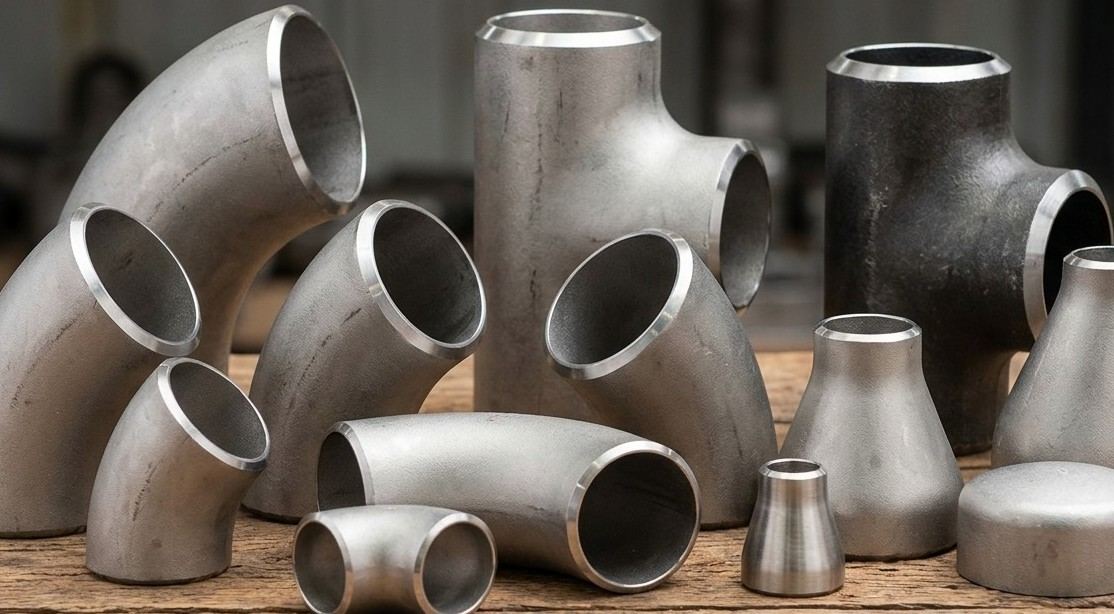
In industrial piping systems, selecting the correct connection method is just as important as choosing the right Butt weld fittings for pressure handling, flow efficiency, and long term durability.

Key Characteristics of Butt Weld Pipe Fittings

  • Smooth internal surface with no obstruction
  • High structural strength and joint integrity
  • Excellent resistance to corrosion and fatigue
  • Suitable for radiographic and non destructive testing

Because there is no internal crevice, butt weld joints reduce turbulence and pressure loss, making them ideal for long pipeline runs.

What Are Socket Weld Fittings?

Socket weld fittings are designed with a recessed socket where the pipe is inserted before welding around the outside of the joint. These fittings are typically manufactured under ASME B16.11 standards and are most commonly used for small bore piping systems.

Features of Socket Weld Pipe Fittings

  • Pipe is inserted into a socket and welded externally
  • Easier alignment compared to butt weld joints
  • Best suited for small diameter pipes, usually up to 2 inches
  • Used in moderate pressure applications

Socket weld fittings are popular in compact piping layouts where space is limited and precise pipe alignment is required.

Buttweld Fittings vs Socket Weld Fittings Comparison

Understanding the core differences helps determine which fitting performs better under specific operating conditions.

1. Welding Method and Joint Strength

Butt weld fittings use a full penetration weld, resulting in a joint that is as strong as the pipe itself. Socket weld fittings rely on a fillet weld, which is strong but not as robust as a butt weld joint under extreme pressure or thermal cycling.

2. Pressure and Temperature Performance

Butt weld fittings vs socket weld fittings differ significantly in pressure handling. Butt weld fittings are preferred for high pressure and high temperature piping systems due to their superior stress distribution. Socket weld fittings are more suitable for moderate pressure and temperature conditions.

3. Flow Efficiency

Butt weld fittings provide a smooth bore, allowing uninterrupted fluid flow. This minimizes turbulence, erosion, and pressure drop. Socket weld fittings create a small crevice at the socket, which can trap fluids or solids and slightly affect flow efficiency.

Installation and Maintenance Differences

Installation Complexity

Butt weld vs socket weld fittings differ in installation requirements. Butt weld fittings require skilled welders, precise alignment, and edge preparation. Socket weld fittings are easier and faster to install, especially for small diameter piping.

Inspection and Testing

Butt weld joints can be easily inspected using radiography or ultrasonic testing, making them suitable for critical systems. Socket weld joints are harder to inspect internally and are typically examined through surface testing methods.

Cost Comparison and Long Term Value

Initial installation costs for butt weld fittings are generally higher due to skilled labor and welding preparation. However, they offer lower maintenance costs and longer service life.

Socket weld fittings are cheaper initially and faster to install but may incur higher maintenance costs in systems exposed to vibration, corrosion, or thermal expansion.

When evaluating difference between butt weld and socket weld fittings, lifecycle cost is often more important than initial price.

Standards and Compliance

Standards play a major role in selection:

  • Butt weld fittings comply with ASME B16.9
  • Socket weld fittings comply with ASME B16.11

Understanding these standards ensures compatibility with piping codes and project specifications.

Application Based Selection Guide

When to Use Butt Weld Fittings

  • High pressure piping systems
  • High temperature services
  • Long pipeline runs
  • Critical process industries
  • Applications requiring smooth flow and low pressure drop

When to Use Socket Weld Fittings

  • Small bore piping systems
  • Limited installation space
  • Moderate pressure applications
  • Utility and auxiliary lines

This application focused approach is often missing in competitor content, giving your blog a stronger practical value.

AI Overview

Compare buttweld fittings vs socket weld fittings to understand key differences in strength, pressure ratings, installation, ASME standards, applications, and how to choose the right pipe fitting.

Frequently Asked Questions

What is the difference between socket weld and buttweld fittings?

Socket weld fittings use a fillet weld with the pipe inserted into a socket, best for small bore piping. Buttweld fittings are welded end to end, offering higher strength and smooth flow for high-pressure systems.

What is a buttweld fitting?

A buttweld fitting is a pipe fitting joined to pipes using full penetration welding. It creates a strong, leak-proof joint ideal for high-pressure and high-temperature applications.

What is the difference between seamless and buttweld?

Seamless refers to pipes made without a welded seam, while buttweld refers to a welding connection method. Seamless describes pipe manufacturing, whereas buttweld describes how pipes or fittings are joined.

What are socket weld fittings?

Socket weld fittings have a recessed socket where the pipe is inserted before welding. They are commonly used for small diameter piping systems with moderate pressure requirements.

Conclusion

The choice between buttweld fittings vs socket weld fittings depends on pressure requirements, pipe size, budget, and long term reliability needs. Butt weld fittings excel in demanding industrial environments where strength and flow efficiency are critical. Socket weld fittings offer convenience and cost savings for small bore and moderate pressure applications.

Choosing between buttweld fittings and socket weld fittings depends on operating pressure, pipe size, and system requirements. Buttweld fittings are best for high-pressure and critical applications, while socket weld fittings suit small bore and moderate-pressure systems.

Fitting World Trading LLC is a reliable supplier of premium carbon and stainless steel pipes, flanges, fittings, and high-pressure solutions in Dubai, UAE. Get in touch today to source quality products for your projects.

Explore More Expert Insights

Discover guides on carbon & stainless steel pipes, flanges, fittings, and high-pressure products for your next project.

Common Welding Mistakes and How to Avoid Them

Welding is a fundamental skill in industries ranging from construction and automotive manufacturing to metal fabrication and DIY projects. Whether you are a beginner or an experienced professional, avoiding common welding mistakes is essential to ensure strong, durable, and safe welds.

Mistakes in welding can result in weak joints, costly material damage, or even safety hazards. By understanding the typical errors and implementing corrective techniques, you can significantly improve your welding outcomes.

Insufficient Material Preparation

One of the most frequent welding errors is poor material preparation. Contaminants like rust, grease, paint, and dirt can compromise weld strength, causing porosity, weak penetration, or cracking. Proper preparation ensures that the metal surfaces are clean and ready for optimal bonding.

How to Avoid This Mistake:

  • Clean the metal thoroughly using a wire brush, grinder, or chemical cleaner.
  • Remove rust, paint, and oil residues with acetone or alcohol.
  • Ensure the metal surfaces fit properly, eliminating gaps or misalignment.
  • Prevent wrinkles or improper material feed during welding.

Proper preparation forms the foundation for every weld and helps prevent many downstream issues such as slag inclusion and weak joints.

Incorrect Heat Control

Maintaining the correct heat is crucial in welding. Applying too much heat can lead to metal warping, burn-through, or distortion, while insufficient heat results in poor fusion and weak welds. Understanding the correct heat settings for each welding process is critical.

How to Avoid This Mistake:

  • Refer to manufacturer recommendations for voltage and amperage settings.
  • Use scrap material to test and adjust heat levels.
  • Adjust travel speed to distribute heat evenly across the weld.
  • For MIG, TIG, or Stick welding, consider using a welding camera or monitoring system to observe heat application in real time.

Managing heat precisely reduces the risk of defects such as weak penetration, excessive spatter, or cracking.

Using the Wrong Electrode or Filler Material

Selecting an incorrect electrode or filler material can lead to weld defects, poor adhesion, or difficulty striking an arc. Each metal type and welding method requires specific electrodes to ensure strong, defect-free joints.

How to Avoid This Mistake:

  • Match electrodes to the base metal. For example, use 6010 or 7018 for steel and 4043 for aluminum.
  • Select the proper diameter based on material thickness.
  • Use the correct filler metal for MIG, TIG, or Stick welding processes.
  • Always follow manufacturer guidelines and double-check compatibility with the materials.

Correct electrode selection helps prevent welding technique mistakes and ensures cleaner, stronger welds with minimal spatter.

Poor Welding Technique

Welding technique errors are common even among experienced professionals. Holding the torch at the wrong angle, moving too fast or slow, or inconsistent arc length can create uneven beads, weak joints, and porosity.

How to Avoid This Mistake:

  • Maintain proper torch angles: 10 to 15 degrees for Stick welding, 15 to 20 degrees for MIG welding, and around 15 degrees for TIG welding.
  • Keep a consistent travel speed to control penetration and bead size.
  • Use steady hand movements and control arc length for uniform welds.

Investing time in practicing welding techniques ensures stronger bonds and reduces the likelihood of weld defects.

Inadequate Shielding Gas Coverage

Shielding gas protects the weld pool from atmospheric contamination. Insufficient or improper gas flow can lead to porosity, oxidation, and weak welds.

How to Avoid This Mistake:

  • Use the correct type of shielding gas based on your welding process, such as argon for TIG and CO₂ for MIG.
  • Check hoses, regulators, and gas bottles for leaks regularly.
  • Adjust flow rate based on material type and environmental conditions.
  • Shield the weld from wind or drafts when working outdoors.

Proper gas coverage reduces defects and improves weld appearance while ensuring safe and durable joints.

Faulty Equipment and Maintenance Errors

Using poorly maintained or inappropriate equipment is another common source of welding problems. Faulty machines, worn-out parts, or incompatible tools can compromise weld quality and safety.

How to Avoid This Mistake:

  • Inspect welding equipment regularly for wear and damage.
  • Replace worn-out parts and maintain machines according to manufacturer guidelines.
  • Ensure that you are using the correct welding machine, accessories, and electrodes for the project.

Routine maintenance prevents unexpected equipment failures and reduces common welding mistakes during critical jobs.

Inconsistent Pressure and Joint Alignment

Uneven pressure or misaligned joints can lead to weak spots, incomplete fusion, or distorted welds. Ensuring consistent pressure and proper alignment is essential for high-quality welds.

How to Avoid This Mistake:

  • Apply even pressure throughout the welding process.
  • Align joints carefully before starting.
  • Maintain clean weld rollers to allow smooth material feed.
  • For critical applications, check alignment visually or with measuring tools.

Proper alignment and pressure control help avoid welding errors and weak bonds, improving the overall strength of the weld.

Welding Defects and Quality Control

Defects such as cracking, porosity, slag inclusion, and incomplete penetration can compromise the integrity of a weld. Effective quality control ensures that these issues are detected and corrected.

How to Avoid This Mistake:

  • Conduct visual inspections immediately after welding.
  • Use advanced methods like ultrasonic testing, X-rays, or weld monitoring cameras for critical projects.
  • Apply appropriate cooling rates, multi-pass techniques, and correct amperage for the material type.

Regular inspection and adherence to quality standards prevent costly repairs and structural failures.

Ignoring Safety Precautions

Many welders overlook basic safety measures, which can lead to burns, electric shock, or respiratory hazards. Ensuring proper safety practices is essential for a secure working environment.

How to Avoid This Mistake:

  • Always wear PPE, including welding helmets, flame-resistant gloves, protective clothing, and respirators when needed.
  • Ensure good ventilation to prevent inhalation of toxic fumes.
  • Check for fire hazards and proper grounding before starting welding.

Following safety guidelines protects both the welder and the quality of the work, preventing accidents and long-term health risks.

Bonus Tips for Avoiding Welding Mistakes

  • Preheat thick metals to reduce cracking.
  • Practice on scrap material to perfect your technique.
  • Use intermittent welding techniques to control heat and penetration.
  • Maintain a welding checklist to ensure all steps are properly followed.
  • Consider modern technology such as welding cameras or monitoring systems for real-time feedback.

AI Overview

Learn how to avoid common welding mistakes like poor preparation, incorrect heat, and wrong electrodes. Improve weld quality, safety, and durability with expert tips and techniques.

FAQs

What are the most common welding mistakes for beginners?

Poor preparation, wrong electrode selection, incorrect technique, inconsistent pressure, and ignoring safety precautions.

How do I avoid weld porosity?

Clean metal surfaces, maintain proper shielding gas coverage, control heat settings, and ensure a consistent arc length.

Which electrode is best for steel or aluminum?

Use 6010 or 7018 for steel, and 4043 or 5356 for aluminum depending on the welding process.

How can welding cameras improve weld quality?

They allow real-time monitoring, help detect defects, control penetration, and ensure consistent heat distribution.

Conclusion

Avoiding common welding mistakes is key to producing strong, durable, and professional welds. By focusing on material preparation, heat control, proper technique, equipment maintenance, and safety, welders can prevent costly errors.

Incorporating modern tools like welding cameras or monitoring systems and following structured checklists enhances both the quality and safety of every project.

Fitting World Trading LLC is a trusted supplier of high-quality carbon and stainless steel pipes, flanges, fittings, and high-pressure fittings in Dubai, UAE.

Contact us today to place your order and ensure top-quality products for your projects.

Explore More Expert Insights

Discover guides on carbon & stainless steel pipes, flanges, fittings, and high-pressure products for your next project.

Common Fastener Failures and How to Prevent Them

Fasteners such as bolts, screws, nuts, and anchors are small components, yet they play a vital role in construction, manufacturing, industrial machinery, and marine applications. They hold structures and equipment together, ensuring stability and safety.

Despite their importance, fasteners can fail due to various factors, leading to costly repairs, operational downtime, or safety hazards. Understanding common fastener failures and taking preventive steps is crucial for engineers, contractors, and maintenance teams.

This guide explores the most frequent causes of fastener failure, including corrosion, fatigue, over-tightening, vibration loosening, improper selection, and galling, along with practical strategies to prevent them.

Corrosion-Induced Fastener Failure

Corrosion is a major reason for fastener failure, especially in coastal regions, humid environments, and industrial settings. Exposure to moisture, salt, chemicals, or temperature extremes can compromise fastener strength. Rust and corrosion weaken bolts and screws, reduce clamping force, and may ultimately lead to structural failure.

Prevention tips for corrosion-related failure

  • Use corrosion-resistant fasteners or stainless steel bolts in outdoor and marine projects.
  • Apply protective coatings such as zinc plating, hot-dip galvanizing, or Dacromet coating.
  • Use dielectric barriers or isolating washers to prevent galvanic corrosion when joining different metals.
  • Inspect fasteners periodically and replace any showing rust or material loss.

Proper material selection and coating can greatly increase the lifespan of fasteners in harsh conditions.

Fatigue Failure in Fasteners

Fatigue failure occurs when fasteners face repeated cyclic loads or dynamic stress. This type of failure is common in industrial machinery, vehicles, and structures exposed to vibrations. Fatigue cracks often originate at stress points near thread roots and gradually propagate until sudden fracture occurs.

Preventive measures for fatigue failure

  • Use fatigue failure fasteners or high tensile bolts for heavy-duty applications.
  • Ensure proper preload and torque during installation to minimize stress concentration.
  • Design assemblies with smooth transitions and larger fillet radii where possible.
  • Protect fasteners from corrosion fatigue in humid or corrosive environments.

Fatigue-resistant fasteners are particularly important for marine-grade hardware, structural steel, and industrial machinery.

Over-Tightening and Thread Stripping

Over-tightening is a common installation error that can strip threads, damage materials, and reduce joint strength. Thread stripping prevents fasteners from maintaining clamping force and may result in loosening or failure.

How to prevent over-tightening

  • Always use a torque wrench for fastener installation and follow manufacturer specifications.
  • Avoid using impact drivers on critical fasteners unless torque-limiting tools are employed.
  • Use high-quality certified fasteners to ensure proper thread standards.
  • Inspect threads before installation, and consider thread inserts for soft materials.

Controlling torque correctly ensures durable and reliable fastening in all projects.

Vibration-Induced Loosening

Fasteners in automotive, industrial machinery, and heavy equipment are often exposed to vibrations and dynamic loads. Over time, this can cause bolts and nuts to loosen, reducing clamping force and endangering structural integrity.

Prevention strategies

  • Use vibration-resistant lock nuts or locking fasteners in areas prone to vibration.
  • Apply thread-locking compounds to resist rotational movement while allowing maintenance.
  • Ensure proper torque and preload during installation.

Selecting the right fasteners and considering vibration effects ensures secure connections in machinery and construction projects.

Improper Fastener Selection

Choosing the wrong fastener for a material or application is a critical cause of failure. For example, using a standard steel screw on treated timber or a wood screw on metal framing can result in corrosion, stripped threads, and weakened structures.

Tips for proper selection

  • Match fastener material to substrate and environmental conditions.
  • Use stainless steel, galvanized, or coated fasteners in outdoor or humid areas.
  • Verify load-bearing capacity and mechanical specifications before installation.

Correct fastener selection ensures long-term performance, reduces maintenance costs, and prevents failures across construction, industrial, and marine projects.

Galling and Seizing

Galling occurs when threads cold-weld together during installation, preventing proper rotation and causing thread damage. This often happens with ductile metals like stainless steel or titanium when fasteners are over-tightened or installed too quickly.

Preventive measures

  • Apply anti-seize lubricant to threads before installation.
  • Reduce installation speed to minimize heat from friction.
  • Use fasteners of different material grades to reduce adhesion.
  • Clean and inspect threads before installation.

Preventing galling ensures smooth installation and protects critical fasteners in industrial and heavy-duty applications.

Regular Maintenance and Inspection

Even correctly installed fasteners can fail without regular maintenance. Routine inspections detect early signs of wear, corrosion, or loosening.

Maintenance best practices

  • Perform visual inspections and check torque on critical fasteners.
  • Replace fasteners showing corrosion, cracks, deformation, or fatigue.
  • Maintain documentation of fastener types, installation dates, and inspections.

A proactive maintenance program prevents unexpected failures and extends the life of fasteners in industrial, construction, and marine applications.

FAQs

What causes common fastener failures?

Fastener failures usually happen due to corrosion, fatigue, over-tightening, vibration loosening, or improper installation. Choosing the right fastener and following proper torque guidelines can prevent most issues.

How can I prevent corrosion in fasteners?

Use corrosion-resistant fasteners like stainless steel or coated bolts and apply protective coatings. Regular inspections help detect rust early and maintain structural integrity.

What is fatigue failure and how can it be avoided?

Fatigue failure occurs when fasteners endure repeated stress or vibrations. Prevent it by using high tensile bolts, proper torque, and fatigue-resistant designs for long-lasting performance.

How do I avoid thread stripping or over-tightening?

Always use a torque wrench for fastener installation, follow manufacturer torque specifications, and inspect threads before use. Proper installation maintains joint strength and prevents failures.

AI Overview

Learn about common fastener failures including corrosion, fatigue, and over-tightening, and discover practical prevention tips for durable bolts, screws, and industrial fasteners.

Conclusion

Fasteners are small yet crucial components that ensure the safety, durability, and reliability of structures and equipment. Understanding common fastener failures such as corrosion, fatigue, over-tightening, vibration loosening, improper selection, and galling, along with implementing preventive strategies, is essential for engineers, contractors, and maintenance teams.

Using corrosion-resistant fasteners, high tensile bolts, fatigue failure fasteners, and vibration-resistant lock nuts, following proper torque installation, and performing routine inspections reduces failure risks.  Correct selection of fasteners for marine-grade hardware, industrial machinery bolts, and structural fasteners for heavy machinery ensures long-term performance and safety.

If you need reliable fasteners in Dubai, Fitting World Trading LLC is a leading supplier. Call today to get high-quality bolts, screws, and industrial fasteners.

Explore More Expert Insights

Discover guides on carbon & stainless steel pipes, flanges, fittings, and high-pressure products for your next project.

Top Pipes & Fittings Suppliers in UAE You Can Trust

The UAE has become a major hub for construction, oil & gas, HVAC, plumbing, and industrial development. With megaprojects rising across Dubai and Abu Dhabi, the demand for high-quality, certified pipes and fittings has never been higher.

Choosing the right supplier is critical because your project’s safety, performance, and long-term durability depend on the materials you use.

This guide highlights some of the most trusted pipes and fittings suppliers in UAE, each following a consistent, professional pattern. Whether you’re a contractor, consultant, or project engineer, this list will help you choose a supplier you can rely on.

1. Fitting World Trading LLC

Fitting World Trading LLC is one of the most reliable suppliers of industrial pipes, fittings, flanges, and valves in the UAE. The company is known for its certified materials, fast delivery, and strong stock availability across plumbing, HVAC, marine, oil & gas, and construction sectors.

Products They Offer

  • Stainless steel, carbon steel, GI, HDPE, copper, and PVC pipes
  • Elbows, tees, reducers, couplings, adaptors, and sockets
  • Industrial valves, flanges, gaskets, and accessories
  • Complete support for MEP, industrial, and infrastructure projects

Why They Are Trusted

  • Products compliant with ISO, ASTM, API, DIN, and BS standards
  • Excellent customer service and fast UAE-wide delivery
  • Known for authenticity, quality, and reliability

2. Hepworth PME

Hepworth PME is a well-known supplier of thermoplastic piping systems widely used in residential, commercial, and infrastructure projects. Their range is highly respected in plumbing and drainage markets.

Products They Offer

  • uPVC, cPVC, and PE pipes
  • Plumbing and drainage fittings
  • Water supply system components

Why They Are Trusted

  • Consistent quality and durability
  • Strong presence across the GCC
  • Reliable supply chain and technical support

3. Polyfab Plastic Industry LLC

Polyfab is recognized for its durable pipes and fittings for water supply, irrigation, and infrastructure applications. They are especially preferred for municipal and large-scale projects.

Products They Offer

  • HDPE, PPR, and PVC pipelines
  • Fabricated fittings for custom requirements
  • Drainage and water management systems

Why They Are Trusted

  • Long-lasting material performance
  • Excellent resistance to environmental conditions
  • Strong project support team

4. National Plastic Factory (NPF)

NPF is a major UAE manufacturer offering cost-effective plastic pipes for plumbing and construction needs. They cater to distributors, contractors, and industrial buyers.

Products They Offer

  • PVC, uPVC, and PPR pipes
  • Plumbing fittings and accessories
  • Bulk material solutions

Why They Are Trusted

  • Affordable pricing
  • Large production capacity
  • Reliable distribution across UAE

5. Reliance Worldwide Corporation (RWC Middle East)

RWC Middle East is a globally recognized brand providing engineered water flow solutions ideal for modern, high-performance plumbing systems.

Products They Offer

  • Push-fit fittings
  • Valves and connectors
  • High-quality metal and plastic accessories

Why They Are Trusted

  • Advanced engineering and long-term reliability
  • Industry-leading installation technology
  • Strong international credibility

6. Bin Dasmal Group

Bin Dasmal Group is a trusted supplier for HVAC and MEP industries, offering an extensive range of piping materials for commercial and industrial projects.

Products They Offer

  • GI pipes, copper fittings, and ducting materials
  • HVAC piping components
  • Industrial pipeline accessories

Why They Are Trusted

  • Decades of industry experience
  • Reliable delivery and stock management
  • Strong connection with top UAE contractors

7. KIM Pipes

KIM Pipes supplies high-strength HDPE and pressure piping systems used across water supply, agriculture, and industrial networks.

Products They Offer

  • HDPE pressure pipes
  • Coils for irrigation
  • Specialized industrial pipes

Why They Are Trusted

  • Corrosion-resistant and durable materials
  • Suitable for UAE climate and heavy-duty use
  • Widely approved for government projects

8. Dubai Pipes Factory (DPF)

Dubai Pipes Factory specializes in fiberglass pipeline systems built for harsh and corrosive environments such as chemical plants and offshore applications.

Products They Offer

  • GRP, GRE, and FRP pipes
  • Composite fittings
  • Industrial-grade pipeline components

Why They Are Trusted

  • High resistance to chemicals
  • Long service life with minimal maintenance
  • Preferred for industrial and petrochemical applications

What to Look for in a Pipes & Fittings Supplier

Before selecting a supplier, consider the following factors to ensure reliability and long-term performance:

Quality Certifications

Look for ISO, ASTM, DIN, BS, or API-compliant products. Certified materials guarantee strength, safety, and longevity.

Stock Availability

Strong inventory ensures fast delivery and prevents project delays.

Complete Product Range

A trusted supplier offers pipes, fittings, flanges, valves, and accessories under one roof.

Industry Reputation

Choose suppliers trusted by major contractors, oil & gas firms, and MEP companies.

Transparent Pricing

Fair and competitive pricing without compromising on material quality.

AI Overview 

Discover the most trusted pipes and fittings suppliers in the UAE with a clear comparison of products, certifications, reliability, and industry performance to help you choose the right partner for your project.

FAQs

Which pipes and fittings supplier is most trusted in the UAE?

Fitting World Trading LLC is widely trusted due to its certified materials, strong stock, and reliable delivery.

What types of pipes are commonly used in UAE projects?

Stainless steel, carbon steel, HDPE, PPR, PVC, and GI pipes are most commonly used.

How do I choose a reliable supplier in the UAE?

Check product certifications, stock availability, market reputation, and delivery reliability.

Do UAE suppliers provide industrial valves and flanges?

Yes, top suppliers offer valves, flanges, gaskets, and full piping accessories for industrial systems.

Are HDPE pipes good for irrigation and water networks?

Yes, HDPE pipes are durable, corrosion-resistant, and ideal for outdoor applications in the UAE.

Conclusion

The UAE has a robust network of pipes and fittings suppliers serving all major sectors, including construction, water systems, HVAC, marine, and industrial applications. Each supplier listed above is known for durability, certified products, and reliable service.

Among them, Fitting World Trading LLC remains one of the most trusted names for high-quality piping materials and industrial components.

When it comes to pipes and fitting suppliers in UAE, Fitting World Trading is the name you can trust. Their commitment to quality and innovation ensures that customers receive the best products for their projects.

Explore More Expert Insights

Discover guides on carbon & stainless steel pipes, flanges, fittings, and high-pressure products for your next project.

Ultimate Guide to Types of Expansion Joints in Construction

Expansion joints are crucial in construction to accommodate movement caused by thermal expansion, contraction, and seismic activity. Without them, structures can crack or experience stress, reducing their lifespan.

This guide explains the different types of expansion-joints, their applications, benefits, and installation tips.

What Are Expansion Joints and Why Are They Important?

Expansion-joints separate structural components to absorb movement safely. They prevent cracks, reduce stress, and allow structures to withstand temperature changes, vibrations, and seismic forces.

Key applications include:

  • Bridge expansion joints for bridges and highways.
  • Pipeline expansion joints for industrial piping systems.
  • Concrete expansion joints for slabs, pavements, and roadways.
  • Seismic joints for earthquake resistance.
  • Horizontal and vertical joints for orientation-specific movement.

Types of Expansion-Joints in Construction

Understanding the various types of expansion-joints helps engineers and contractors choose the best solution for each project.

Braided Expansion Joint

Braided expansion joints consist of flexible braided metal that absorbs vibration and movement in pipelines. They are ideal for thermal expansion in industrial piping and HVAC systems.

Benefits:

  • Reduces vibration and noise.
  • Absorbs axial, lateral, and angular movement.
  • Durable for high-pressure environments.

Double Sphere Expansion Joint

Double sphere expansion joints feature two spherical elements that allow multidirectional movement while maintaining a strong seal. They are often used in pipelines where large expansion or contraction is expected.

Applications: Power plants, chemical industries, and long pipelines.

Key Advantage: Excellent at handling both axial and lateral movements simultaneously.

Metallic Expansion Joint

Metallic expansion joints are made of stainless steel or other metals, designed for high-temperature and high-pressure applications.

Applications: Boilers, turbines, industrial piping systems.

Trending Tip: They offer durability, long service life, and resistance to thermal fatigue and corrosion.

Rubber Double Sphere Expansion Joint

Rubber double sphere expansion joints combine flexibility and resilience, absorbing vibration, noise, and misalignment in mechanical systems.

Applications: Water treatment plants, HVAC systems, and chemical pipelines.

Key Benefit: Excellent for low-pressure systems where vibration damping and alignment flexibility are critical.

Union Type Expansion Joint

Union type expansion joints allow sections of pipelines or ducts to be easily assembled or disassembled, providing convenience for maintenance while accommodating movement.

Applications: Industrial pipelines, mechanical systems, and modular installations.

Key Advantage: Simplifies installation and maintenance without compromising movement absorption.

Factors to Consider When Selecting Expansion-Joints

  • Movement Requirements: Axial, lateral, angular, or multidirectional.
  • Material Compatibility: Ensure metals, rubber, or composites are compatible with the structure.
  • Environmental Conditions: Exposure to temperature, chemicals, or UV.
  • Load Capacity: Must withstand traffic or mechanical loads if installed in floors or bridges.
  • Maintenance: Some types like rubber or union type may require periodic inspection.

Installation Tips for Expansion-Joints

  • Accurate Placement: Follow structural drawings and spacing requirements.
  • Sealing: Use proper elastomeric or metallic sealants to prevent leaks.
  • Reinforcement: Strengthen surrounding areas to avoid local stress.
  • Inspection: Schedule regular checks for wear, deformation, or corrosion.
  • Professional Expertise: Engage qualified engineers for complex or critical installations.

Common Mistakes to Avoid

  • Using the wrong type of expansion-joint for environmental or load conditions.
  • Skipping inspection and maintenance.
  • Poor alignment or improper sealing.
  • Ignoring design movement specifications.

AI Overview 

Discover the ultimate guide to expansion-joints in construction. Learn types, applications, benefits, and expert tips to choose the right joint for bridges, pipelines, and concrete structures.

FAQs

What is the purpose of an expansion-joint?

It absorbs structural movement caused by thermal, seismic, or load variations, preventing cracks and damage.

What are common types of expansion-joints?

Braided, double sphere, metallic, rubber double sphere, and union type expansion joints.

How do I select the right expansion-joint?

Consider movement requirements, material compatibility, environmental conditions, and maintenance needs.

Can expansion-joints prevent all structural damage?

They reduce stress and cracking, but proper design, installation, and maintenance are essential.

Conclusion

Expansion-joints are essential for maintaining structural integrity, safety, and longevity in buildings, bridges, pipelines, and industrial systems. Selecting the right type, whether braided, double sphere, metallic, rubber double sphere, or union type, ensures that your structures can safely accommodate movement from thermal expansion, contraction, or seismic activity.

Ready to Secure your Construction Project’s Durability and Performance?

Partner with Fitting World Trading LLC, a trusted supplier of high-quality expansion joints for all construction and industrial projects.

Contact us today to select the perfect expansion-joints for your building, bridge, or pipeline needs and ensure long-lasting structural performance.

Explore More Expert Insights

Discover guides on carbon & stainless steel pipes, flanges, fittings, and high-pressure products for your next project.

Grease Nipples in Dubai: Complete Guide for Industrial Lubrication

Lubrication is essential for the efficiency and longevity of machinery. Grease nipples are small but critical fittings that allow grease to be applied directly to bearings, joints, and other moving parts. In Dubai, FW Trading provides high-quality grease nipples made from carbon and stainless steel, ensuring durability, corrosion resistance, and compatibility with standard grease guns.

These fittings are widely used across industries such as automotive, construction, manufacturing, and heavy machinery. Using the right grease nipple reduces wear and tear, prevents downtime, and maintains smooth operation of equipment.

What Are Grease Nipples and Why They Matter?

Grease nipples, also called lubrication nipples or Zerk fittings, are mechanical components that allow lubricant to be injected into moving parts without dismantling machinery. They ensure smooth operation, reduce friction, and extend the life of industrial equipment.

Key Features:

  • Durable construction from carbon steel or stainless steel
  • Zinc-plated or nickel-plated finishes for corrosion resistance
  • Compatible with standard grease guns
  • Reliable lubrication for bearings, joints, and pivots

Types of Grease Nipples You Should Know

Choosing the right type of grease nipple ensures effective lubrication in all industrial applications.

1. Straight Grease Nipples

These are the most common type, used where the grease gun can access the fitting directly in a straight line. Ideal for general machinery lubrication points.

2. Angled Grease Nipples

Designed for hard-to-reach areas, these nipples come in 45° or 90° angles to ensure proper lubrication in tight spaces.

3. Zerk Grease Nipples

These feature a built-in ball check valve that prevents contaminants from entering the system while allowing grease to flow smoothly.

4. Specialty Grease Nipples

Custom-made fittings designed for high-pressure, high-temperature, or extreme environmental conditions.

Industrial Applications of Grease Nipples

Grease nipples are essential wherever machinery requires regular lubrication.

Mechanical Lubrication Points

Used at critical lubrication points in industrial machines to reduce friction and improve performance.

Bearings and Joints

Deliver grease directly to bearings, joints, and pivots to prevent wear and extend component life.

Automotive and Heavy Equipment

Essential in vehicles, construction machinery, and agricultural equipment for consistent maintenance.

Industrial Machinery

Crane systems, turbines, conveyors, presses, and production lines rely on grease nipples for smooth operation.

Oil and Gas Industry

Corrosion-resistant grease nipples are used on offshore platforms, pipelines, and refineries, where environmental conditions are harsh.

Materials and Specifications for Durability

The longevity and performance of grease nipples depend on materials and protective coatings.

Specification Details
Material Carbon Steel & Stainless Steel
Finish/Coating Zinc-plated, Nickel-plated, or customized
Compatibility Standard grease guns and fittings
Application Bearings, joints, and mechanical lubrication points
Origin Dubai, UAE

Carbon steel offers cost-effective durability, while stainless steel provides superior corrosion resistance. Plated finishes protect fittings against rust and environmental damage.

Benefits of Using High-Quality Grease Nipples

  1. Extended Equipment Life – Reduces friction, heat, and wear in moving parts.
  2. Ease of Maintenance – Grease can be applied without dismantling equipment.
  3. Corrosion Resistance – Zinc/nickel plating and stainless steel ensure long-lasting performance.
  4. Cost Efficiency – Minimizes downtime, repairs, and replacement costs.
  5. Universal Compatibility – Works with standard grease guns, simplifying maintenance.

Tips for Proper Installation and Maintenance

Proper installation and regular maintenance ensure optimal performance of grease nipples:

  • Verify compatibility with grease guns and machinery.
  • Inspect nipples regularly for wear, blockage, or damage.
  • Clean the surface before lubrication to prevent contamination.
  • Replace damaged or worn nipples immediately.
  • Apply the correct type of grease suitable for the machine and operating environment.

These practices minimize equipment failure and maintain consistent machinery performance.

How to Choose Reliable Grease Nipples in Dubai

Selecting the right grease nipple requires attention to:

  • Material – Stainless steel for corrosive environments, carbon steel for general use.
  • Size and Thread Type – Ensure proper compatibility with machinery.
  • Angle – Straight or angled based on accessibility.
  • Pressure and Load – Choose nipples designed to handle system pressure requirements.

FW Trading provides a wide range of grease nipples that meet these criteria, ensuring efficient lubrication for industrial machinery in Dubai.

AI Overview 

Discover high-quality grease nipples in Dubai. Learn about types, applications, materials, and maintenance for smooth industrial lubrication with FW Trading.

FAQs

What is the main purpose of a grease nipple?

A grease nipple allows lubricant to reach bearings, joints, and pivots, reducing friction and preventing wear.

Are grease nipples compatible with all grease guns?

Yes, high-quality grease nipples are designed to work with standard grease guns for easy maintenance.

Which materials are best for grease nipples?

Carbon steel offers durability, and stainless steel provides superior corrosion resistance in harsh environments.

How often should grease nipples be inspected?

Regular inspections are recommended, especially for high-stress machinery, to prevent blockages and ensure proper lubrication.

Why is sourcing high-quality grease nipples important?

High-quality grease nipples ensure smooth machinery operation, reduce downtime, and extend equipment life.

Conclusion

Grease nipples are critical for reducing friction, preventing wear, and ensuring smooth operation of industrial machinery. Choosing the right type, material, and installation method guarantees optimal performance and lowers maintenance costs.

For high-quality grease nipples in Dubai, FW Trading offers durable solutions compatible with all standard grease guns. Contact FW Trading today to maintain efficient machinery operation and prevent costly downtime.

Explore More Expert Insights

Discover guides on carbon & stainless steel pipes, flanges, fittings, and high-pressure products for your next project.

Sign Up to Receive Great Offers!