Offcanvas top

Common Welding Mistakes and How to Avoid Them

Welding is a fundamental skill in industries ranging from construction and automotive manufacturing to metal fabrication and DIY projects. Whether you are a beginner or an experienced professional, avoiding common welding mistakes is essential to ensure strong, durable, and safe welds.

Mistakes in welding can result in weak joints, costly material damage, or even safety hazards. By understanding the typical errors and implementing corrective techniques, you can significantly improve your welding outcomes.

Insufficient Material Preparation

One of the most frequent welding errors is poor material preparation. Contaminants like rust, grease, paint, and dirt can compromise weld strength, causing porosity, weak penetration, or cracking. Proper preparation ensures that the metal surfaces are clean and ready for optimal bonding.

How to Avoid This Mistake:

  • Clean the metal thoroughly using a wire brush, grinder, or chemical cleaner.
  • Remove rust, paint, and oil residues with acetone or alcohol.
  • Ensure the metal surfaces fit properly, eliminating gaps or misalignment.
  • Prevent wrinkles or improper material feed during welding.

Proper preparation forms the foundation for every weld and helps prevent many downstream issues such as slag inclusion and weak joints.

Incorrect Heat Control

Maintaining the correct heat is crucial in welding. Applying too much heat can lead to metal warping, burn-through, or distortion, while insufficient heat results in poor fusion and weak welds. Understanding the correct heat settings for each welding process is critical.

How to Avoid This Mistake:

  • Refer to manufacturer recommendations for voltage and amperage settings.
  • Use scrap material to test and adjust heat levels.
  • Adjust travel speed to distribute heat evenly across the weld.
  • For MIG, TIG, or Stick welding, consider using a welding camera or monitoring system to observe heat application in real time.

Managing heat precisely reduces the risk of defects such as weak penetration, excessive spatter, or cracking.

Using the Wrong Electrode or Filler Material

Selecting an incorrect electrode or filler material can lead to weld defects, poor adhesion, or difficulty striking an arc. Each metal type and welding method requires specific electrodes to ensure strong, defect-free joints.

How to Avoid This Mistake:

  • Match electrodes to the base metal. For example, use 6010 or 7018 for steel and 4043 for aluminum.
  • Select the proper diameter based on material thickness.
  • Use the correct filler metal for MIG, TIG, or Stick welding processes.
  • Always follow manufacturer guidelines and double-check compatibility with the materials.

Correct electrode selection helps prevent welding technique mistakes and ensures cleaner, stronger welds with minimal spatter.

Poor Welding Technique

Welding technique errors are common even among experienced professionals. Holding the torch at the wrong angle, moving too fast or slow, or inconsistent arc length can create uneven beads, weak joints, and porosity.

How to Avoid This Mistake:

  • Maintain proper torch angles: 10 to 15 degrees for Stick welding, 15 to 20 degrees for MIG welding, and around 15 degrees for TIG welding.
  • Keep a consistent travel speed to control penetration and bead size.
  • Use steady hand movements and control arc length for uniform welds.

Investing time in practicing welding techniques ensures stronger bonds and reduces the likelihood of weld defects.

Inadequate Shielding Gas Coverage

Shielding gas protects the weld pool from atmospheric contamination. Insufficient or improper gas flow can lead to porosity, oxidation, and weak welds.

How to Avoid This Mistake:

  • Use the correct type of shielding gas based on your welding process, such as argon for TIG and CO₂ for MIG.
  • Check hoses, regulators, and gas bottles for leaks regularly.
  • Adjust flow rate based on material type and environmental conditions.
  • Shield the weld from wind or drafts when working outdoors.

Proper gas coverage reduces defects and improves weld appearance while ensuring safe and durable joints.

Faulty Equipment and Maintenance Errors

Using poorly maintained or inappropriate equipment is another common source of welding problems. Faulty machines, worn-out parts, or incompatible tools can compromise weld quality and safety.

How to Avoid This Mistake:

  • Inspect welding equipment regularly for wear and damage.
  • Replace worn-out parts and maintain machines according to manufacturer guidelines.
  • Ensure that you are using the correct welding machine, accessories, and electrodes for the project.

Routine maintenance prevents unexpected equipment failures and reduces common welding mistakes during critical jobs.

Inconsistent Pressure and Joint Alignment

Uneven pressure or misaligned joints can lead to weak spots, incomplete fusion, or distorted welds. Ensuring consistent pressure and proper alignment is essential for high-quality welds.

How to Avoid This Mistake:

  • Apply even pressure throughout the welding process.
  • Align joints carefully before starting.
  • Maintain clean weld rollers to allow smooth material feed.
  • For critical applications, check alignment visually or with measuring tools.

Proper alignment and pressure control help avoid welding errors and weak bonds, improving the overall strength of the weld.

Welding Defects and Quality Control

Defects such as cracking, porosity, slag inclusion, and incomplete penetration can compromise the integrity of a weld. Effective quality control ensures that these issues are detected and corrected.

How to Avoid This Mistake:

  • Conduct visual inspections immediately after welding.
  • Use advanced methods like ultrasonic testing, X-rays, or weld monitoring cameras for critical projects.
  • Apply appropriate cooling rates, multi-pass techniques, and correct amperage for the material type.

Regular inspection and adherence to quality standards prevent costly repairs and structural failures.

Ignoring Safety Precautions

Many welders overlook basic safety measures, which can lead to burns, electric shock, or respiratory hazards. Ensuring proper safety practices is essential for a secure working environment.

How to Avoid This Mistake:

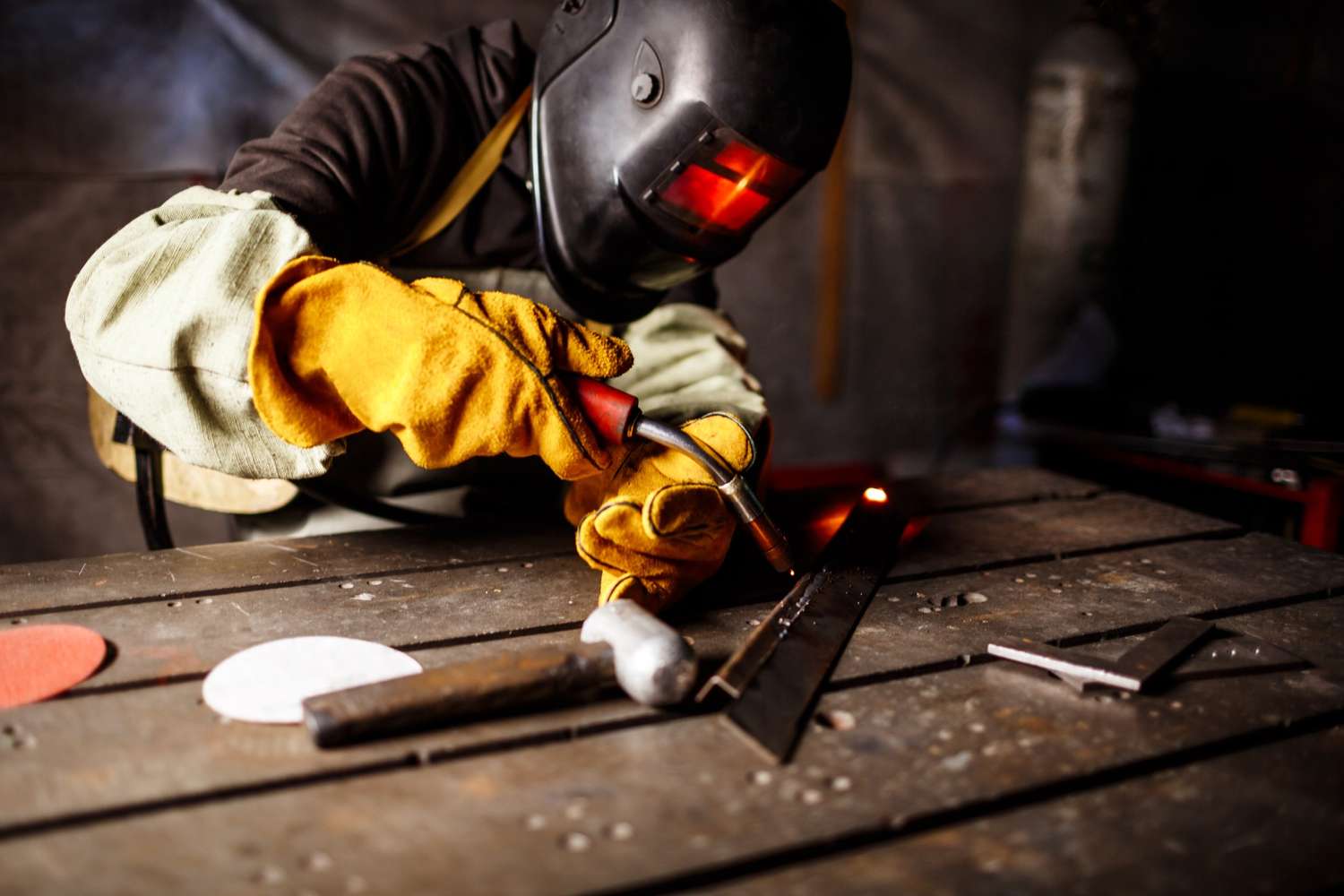
  • Always wear PPE, including welding helmets, flame-resistant gloves, protective clothing, and respirators when needed.
  • Ensure good ventilation to prevent inhalation of toxic fumes.
  • Check for fire hazards and proper grounding before starting welding.

Following safety guidelines protects both the welder and the quality of the work, preventing accidents and long-term health risks.

Bonus Tips for Avoiding Welding Mistakes

  • Preheat thick metals to reduce cracking.
  • Practice on scrap material to perfect your technique.
  • Use intermittent welding techniques to control heat and penetration.
  • Maintain a welding checklist to ensure all steps are properly followed.
  • Consider modern technology such as welding cameras or monitoring systems for real-time feedback.

AI Overview

Learn how to avoid common welding mistakes like poor preparation, incorrect heat, and wrong electrodes. Improve weld quality, safety, and durability with expert tips and techniques.

FAQs

What are the most common welding mistakes for beginners?

Poor preparation, wrong electrode selection, incorrect technique, inconsistent pressure, and ignoring safety precautions.

How do I avoid weld porosity?

Clean metal surfaces, maintain proper shielding gas coverage, control heat settings, and ensure a consistent arc length.

Which electrode is best for steel or aluminum?

Use 6010 or 7018 for steel, and 4043 or 5356 for aluminum depending on the welding process.

How can welding cameras improve weld quality?

They allow real-time monitoring, help detect defects, control penetration, and ensure consistent heat distribution.

Conclusion

Avoiding common welding mistakes is key to producing strong, durable, and professional welds. By focusing on material preparation, heat control, proper technique, equipment maintenance, and safety, welders can prevent costly errors.

Incorporating modern tools like welding cameras or monitoring systems and following structured checklists enhances both the quality and safety of every project.

Fitting World Trading LLC is a trusted supplier of high-quality carbon and stainless steel pipes, flanges, fittings, and high-pressure fittings in Dubai, UAE.

Contact us today to place your order and ensure top-quality products for your projects.

Explore More Expert Insights

Discover guides on carbon & stainless steel pipes, flanges, fittings, and high-pressure products for your next project.

Common Fastener Failures and How to Prevent Them

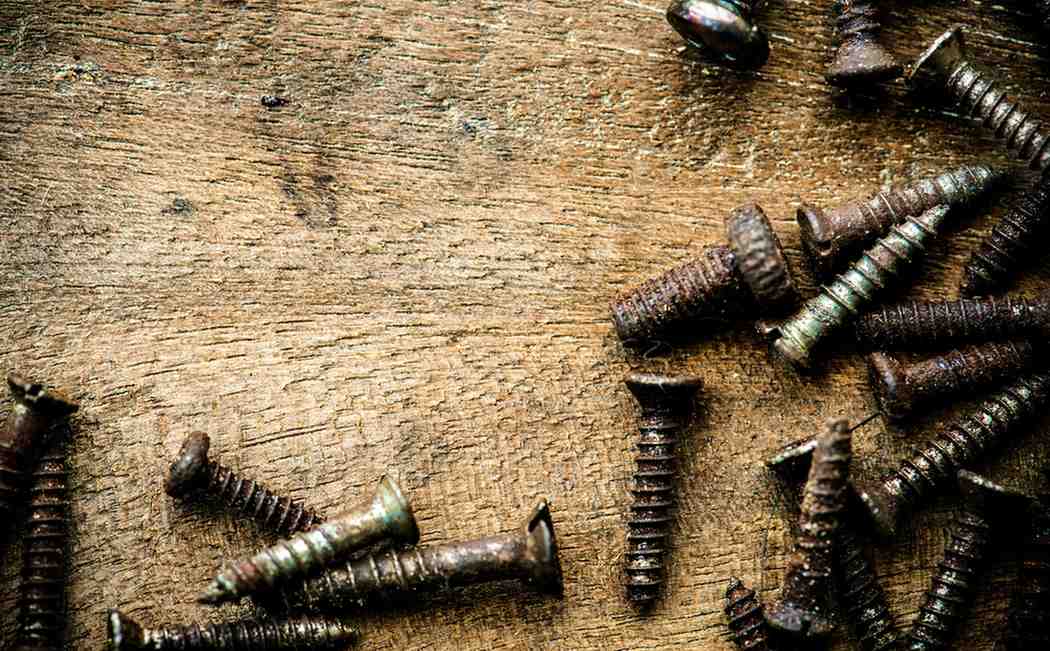
Fasteners such as bolts, screws, nuts, and anchors are small components, yet they play a vital role in construction, manufacturing, industrial machinery, and marine applications. They hold structures and equipment together, ensuring stability and safety.

Despite their importance, fasteners can fail due to various factors, leading to costly repairs, operational downtime, or safety hazards. Understanding common fastener failures and taking preventive steps is crucial for engineers, contractors, and maintenance teams.

This guide explores the most frequent causes of fastener failure, including corrosion, fatigue, over-tightening, vibration loosening, improper selection, and galling, along with practical strategies to prevent them.

Corrosion-Induced Fastener Failure

Corrosion is a major reason for fastener failure, especially in coastal regions, humid environments, and industrial settings. Exposure to moisture, salt, chemicals, or temperature extremes can compromise fastener strength. Rust and corrosion weaken bolts and screws, reduce clamping force, and may ultimately lead to structural failure.

Prevention tips for corrosion-related failure

  • Use corrosion-resistant fasteners or stainless steel bolts in outdoor and marine projects.
  • Apply protective coatings such as zinc plating, hot-dip galvanizing, or Dacromet coating.
  • Use dielectric barriers or isolating washers to prevent galvanic corrosion when joining different metals.
  • Inspect fasteners periodically and replace any showing rust or material loss.

Proper material selection and coating can greatly increase the lifespan of fasteners in harsh conditions.

Fatigue Failure in Fasteners

Fatigue failure occurs when fasteners face repeated cyclic loads or dynamic stress. This type of failure is common in industrial machinery, vehicles, and structures exposed to vibrations. Fatigue cracks often originate at stress points near thread roots and gradually propagate until sudden fracture occurs.

Preventive measures for fatigue failure

  • Use fatigue failure fasteners or high tensile bolts for heavy-duty applications.
  • Ensure proper preload and torque during installation to minimize stress concentration.
  • Design assemblies with smooth transitions and larger fillet radii where possible.
  • Protect fasteners from corrosion fatigue in humid or corrosive environments.

Fatigue-resistant fasteners are particularly important for marine-grade hardware, structural steel, and industrial machinery.

Over-Tightening and Thread Stripping

Over-tightening is a common installation error that can strip threads, damage materials, and reduce joint strength. Thread stripping prevents fasteners from maintaining clamping force and may result in loosening or failure.

How to prevent over-tightening

  • Always use a torque wrench for fastener installation and follow manufacturer specifications.
  • Avoid using impact drivers on critical fasteners unless torque-limiting tools are employed.
  • Use high-quality certified fasteners to ensure proper thread standards.
  • Inspect threads before installation, and consider thread inserts for soft materials.

Controlling torque correctly ensures durable and reliable fastening in all projects.

Vibration-Induced Loosening

Fasteners in automotive, industrial machinery, and heavy equipment are often exposed to vibrations and dynamic loads. Over time, this can cause bolts and nuts to loosen, reducing clamping force and endangering structural integrity.

Prevention strategies

  • Use vibration-resistant lock nuts or locking fasteners in areas prone to vibration.
  • Apply thread-locking compounds to resist rotational movement while allowing maintenance.
  • Ensure proper torque and preload during installation.

Selecting the right fasteners and considering vibration effects ensures secure connections in machinery and construction projects.

Improper Fastener Selection

Choosing the wrong fastener for a material or application is a critical cause of failure. For example, using a standard steel screw on treated timber or a wood screw on metal framing can result in corrosion, stripped threads, and weakened structures.

Tips for proper selection

  • Match fastener material to substrate and environmental conditions.
  • Use stainless steel, galvanized, or coated fasteners in outdoor or humid areas.
  • Verify load-bearing capacity and mechanical specifications before installation.

Correct fastener selection ensures long-term performance, reduces maintenance costs, and prevents failures across construction, industrial, and marine projects.

Galling and Seizing

Galling occurs when threads cold-weld together during installation, preventing proper rotation and causing thread damage. This often happens with ductile metals like stainless steel or titanium when fasteners are over-tightened or installed too quickly.

Preventive measures

  • Apply anti-seize lubricant to threads before installation.
  • Reduce installation speed to minimize heat from friction.
  • Use fasteners of different material grades to reduce adhesion.
  • Clean and inspect threads before installation.

Preventing galling ensures smooth installation and protects critical fasteners in industrial and heavy-duty applications.

Regular Maintenance and Inspection

Even correctly installed fasteners can fail without regular maintenance. Routine inspections detect early signs of wear, corrosion, or loosening.

Maintenance best practices

  • Perform visual inspections and check torque on critical fasteners.
  • Replace fasteners showing corrosion, cracks, deformation, or fatigue.
  • Maintain documentation of fastener types, installation dates, and inspections.

A proactive maintenance program prevents unexpected failures and extends the life of fasteners in industrial, construction, and marine applications.

FAQs

What causes common fastener failures?

Fastener failures usually happen due to corrosion, fatigue, over-tightening, vibration loosening, or improper installation. Choosing the right fastener and following proper torque guidelines can prevent most issues.

How can I prevent corrosion in fasteners?

Use corrosion-resistant fasteners like stainless steel or coated bolts and apply protective coatings. Regular inspections help detect rust early and maintain structural integrity.

What is fatigue failure and how can it be avoided?

Fatigue failure occurs when fasteners endure repeated stress or vibrations. Prevent it by using high tensile bolts, proper torque, and fatigue-resistant designs for long-lasting performance.

How do I avoid thread stripping or over-tightening?

Always use a torque wrench for fastener installation, follow manufacturer torque specifications, and inspect threads before use. Proper installation maintains joint strength and prevents failures.

AI Overview

Learn about common fastener failures including corrosion, fatigue, and over-tightening, and discover practical prevention tips for durable bolts, screws, and industrial fasteners.

Conclusion

Fasteners are small yet crucial components that ensure the safety, durability, and reliability of structures and equipment. Understanding common fastener failures such as corrosion, fatigue, over-tightening, vibration loosening, improper selection, and galling, along with implementing preventive strategies, is essential for engineers, contractors, and maintenance teams.

Using corrosion-resistant fasteners, high tensile bolts, fatigue failure fasteners, and vibration-resistant lock nuts, following proper torque installation, and performing routine inspections reduces failure risks.  Correct selection of fasteners for marine-grade hardware, industrial machinery bolts, and structural fasteners for heavy machinery ensures long-term performance and safety.

If you need reliable fasteners in Dubai, Fitting World Trading LLC is a leading supplier. Call today to get high-quality bolts, screws, and industrial fasteners.

Explore More Expert Insights

Discover guides on carbon & stainless steel pipes, flanges, fittings, and high-pressure products for your next project.

Top Pipes & Fittings Suppliers in UAE You Can Trust

The UAE has become a major hub for construction, oil & gas, HVAC, plumbing, and industrial development. With megaprojects rising across Dubai and Abu Dhabi, the demand for high-quality, certified pipes and fittings has never been higher.

Choosing the right supplier is critical because your project’s safety, performance, and long-term durability depend on the materials you use.

This guide highlights some of the most trusted pipes and fittings suppliers in UAE, each following a consistent, professional pattern. Whether you’re a contractor, consultant, or project engineer, this list will help you choose a supplier you can rely on.

1. Fitting World Trading LLC

Fitting World Trading LLC is one of the most reliable suppliers of industrial pipes, fittings, flanges, and valves in the UAE. The company is known for its certified materials, fast delivery, and strong stock availability across plumbing, HVAC, marine, oil & gas, and construction sectors.

Products They Offer

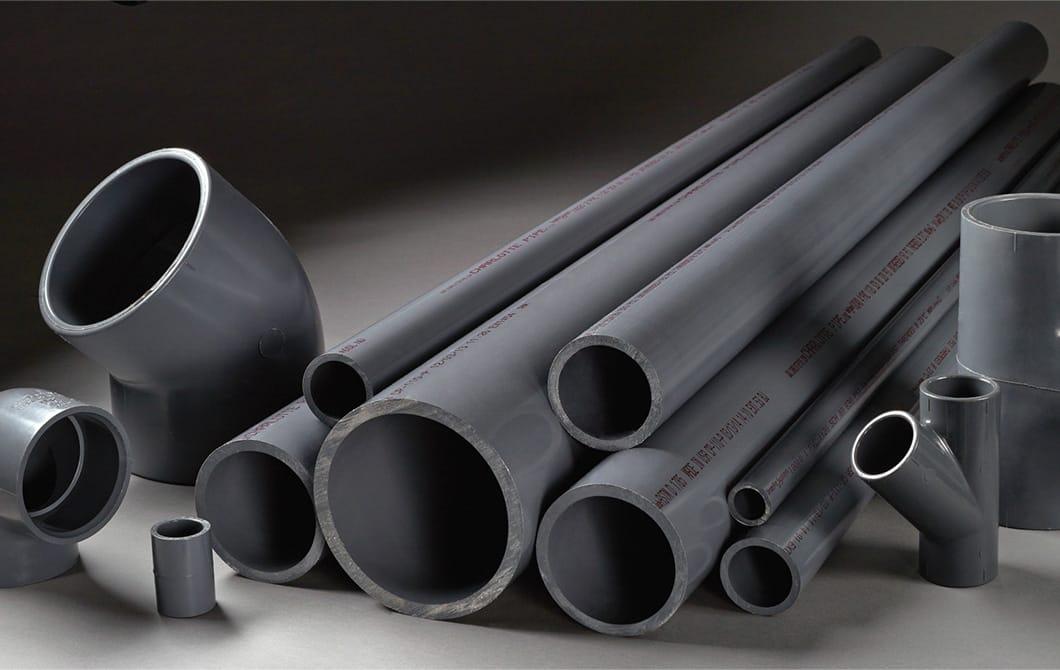
  • Stainless steel, carbon steel, GI, HDPE, copper, and PVC pipes
  • Elbows, tees, reducers, couplings, adaptors, and sockets
  • Industrial valves, flanges, gaskets, and accessories
  • Complete support for MEP, industrial, and infrastructure projects

Why They Are Trusted

  • Products compliant with ISO, ASTM, API, DIN, and BS standards
  • Excellent customer service and fast UAE-wide delivery
  • Known for authenticity, quality, and reliability

2. Hepworth PME

Hepworth PME is a well-known supplier of thermoplastic piping systems widely used in residential, commercial, and infrastructure projects. Their range is highly respected in plumbing and drainage markets.

Products They Offer

  • uPVC, cPVC, and PE pipes
  • Plumbing and drainage fittings
  • Water supply system components

Why They Are Trusted

  • Consistent quality and durability
  • Strong presence across the GCC
  • Reliable supply chain and technical support

3. Polyfab Plastic Industry LLC

Polyfab is recognized for its durable pipes and fittings for water supply, irrigation, and infrastructure applications. They are especially preferred for municipal and large-scale projects.

Products They Offer

  • HDPE, PPR, and PVC pipelines
  • Fabricated fittings for custom requirements
  • Drainage and water management systems

Why They Are Trusted

  • Long-lasting material performance
  • Excellent resistance to environmental conditions
  • Strong project support team

4. National Plastic Factory (NPF)

NPF is a major UAE manufacturer offering cost-effective plastic pipes for plumbing and construction needs. They cater to distributors, contractors, and industrial buyers.

Products They Offer

  • PVC, uPVC, and PPR pipes
  • Plumbing fittings and accessories
  • Bulk material solutions

Why They Are Trusted

  • Affordable pricing
  • Large production capacity
  • Reliable distribution across UAE

5. Reliance Worldwide Corporation (RWC Middle East)

RWC Middle East is a globally recognized brand providing engineered water flow solutions ideal for modern, high-performance plumbing systems.

Products They Offer

  • Push-fit fittings
  • Valves and connectors
  • High-quality metal and plastic accessories

Why They Are Trusted

  • Advanced engineering and long-term reliability
  • Industry-leading installation technology
  • Strong international credibility

6. Bin Dasmal Group

Bin Dasmal Group is a trusted supplier for HVAC and MEP industries, offering an extensive range of piping materials for commercial and industrial projects.

Products They Offer

  • GI pipes, copper fittings, and ducting materials
  • HVAC piping components
  • Industrial pipeline accessories

Why They Are Trusted

  • Decades of industry experience
  • Reliable delivery and stock management
  • Strong connection with top UAE contractors

7. KIM Pipes

KIM Pipes supplies high-strength HDPE and pressure piping systems used across water supply, agriculture, and industrial networks.

Products They Offer

  • HDPE pressure pipes
  • Coils for irrigation
  • Specialized industrial pipes

Why They Are Trusted

  • Corrosion-resistant and durable materials
  • Suitable for UAE climate and heavy-duty use
  • Widely approved for government projects

8. Dubai Pipes Factory (DPF)

Dubai Pipes Factory specializes in fiberglass pipeline systems built for harsh and corrosive environments such as chemical plants and offshore applications.

Products They Offer

  • GRP, GRE, and FRP pipes
  • Composite fittings
  • Industrial-grade pipeline components

Why They Are Trusted

  • High resistance to chemicals
  • Long service life with minimal maintenance
  • Preferred for industrial and petrochemical applications

What to Look for in a Pipes & Fittings Supplier

Before selecting a supplier, consider the following factors to ensure reliability and long-term performance:

Quality Certifications

Look for ISO, ASTM, DIN, BS, or API-compliant products. Certified materials guarantee strength, safety, and longevity.

Stock Availability

Strong inventory ensures fast delivery and prevents project delays.

Complete Product Range

A trusted supplier offers pipes, fittings, flanges, valves, and accessories under one roof.

Industry Reputation

Choose suppliers trusted by major contractors, oil & gas firms, and MEP companies.

Transparent Pricing

Fair and competitive pricing without compromising on material quality.

AI Overview 

Discover the most trusted pipes and fittings suppliers in the UAE with a clear comparison of products, certifications, reliability, and industry performance to help you choose the right partner for your project.

FAQs

Which pipes and fittings supplier is most trusted in the UAE?

Fitting World Trading LLC is widely trusted due to its certified materials, strong stock, and reliable delivery.

What types of pipes are commonly used in UAE projects?

Stainless steel, carbon steel, HDPE, PPR, PVC, and GI pipes are most commonly used.

How do I choose a reliable supplier in the UAE?

Check product certifications, stock availability, market reputation, and delivery reliability.

Do UAE suppliers provide industrial valves and flanges?

Yes, top suppliers offer valves, flanges, gaskets, and full piping accessories for industrial systems.

Are HDPE pipes good for irrigation and water networks?

Yes, HDPE pipes are durable, corrosion-resistant, and ideal for outdoor applications in the UAE.

Conclusion

The UAE has a robust network of pipes and fittings suppliers serving all major sectors, including construction, water systems, HVAC, marine, and industrial applications. Each supplier listed above is known for durability, certified products, and reliable service.

Among them, Fitting World Trading LLC remains one of the most trusted names for high-quality piping materials and industrial components.

When it comes to pipes and fitting suppliers in UAE, Fitting World Trading is the name you can trust. Their commitment to quality and innovation ensures that customers receive the best products for their projects.

Explore More Expert Insights

Discover guides on carbon & stainless steel pipes, flanges, fittings, and high-pressure products for your next project.

Sign Up to Receive Great Offers!