Offcanvas top

What Are Buttweld Fittings? Types, Standards & Applications

When it comes to industrial piping systems, creating durable and leak-proof connections is essential. One of the most reliable solutions is buttweld fittings, widely used in chemical plants, oil and gas industries, power plants, and water treatment facilities. These fittings provide strong joints capable of handling high pressure and temperature, making them a crucial component of any industrial pipeline.

With over a decade of experience in industrial piping and welding solutions, our team ensures that every buttweld fitting meets international standards, including ASME, ISO, and API, guaranteeing safety, durability, and reliability.

Understanding Buttweld Fittings

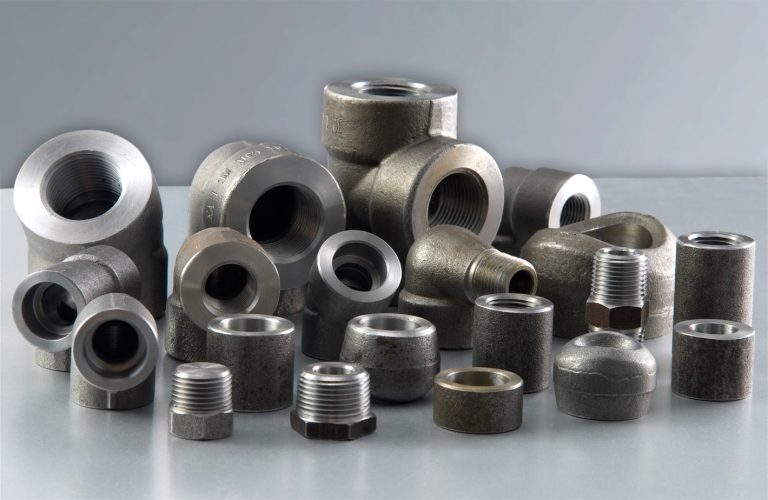
Buttweld fittings are pipe connectors welded end-to-end to form a seamless, permanent joint. Unlike threaded fittings or socket weld fittings, which rely on mechanical connections, buttweld fittings use the butt welding process to ensure strength and leak-proof performance.

Advantages:

  • Leak-proof and corrosion-resistant connections
  • Suitable for high-pressure and high-temperature applications
  • Smooth internal surface reduces fluid turbulence
  • Compatible with stainless steel, carbon steel, and alloy steel pipes

Common materials include:

  • Stainless Steel – corrosion-resistant, ideal for chemical and marine applications
  • Carbon Steel – suitable for high-pressure industrial pipelines
  • Alloy Steel – for high-temperature or extreme-pressure conditions

Explore our stainless steel buttweld fittings here | Carbon steel buttweld fittings catalog

Types of Buttweld Fittings

Choosing the right buttweld fitting ensures your pipeline operates efficiently and safely.

Elbows

Elbows are used to change the direction of piping:

  • 45-degree elbows – gentle directional change for smooth flow
  • 90-degree elbows – sharp turns, common in chemical and oil pipelines
  • Long radius vs short radius – long radius reduces pressure drop; short radius is for compact installations

Tees

Tees connect three pipes:

  • Equal Tee – all ends have the same diameter
  • Reducing Tee – one branch is smaller to control flow

Reducers

Reducers connect pipes of different diameters:

  • Concentric Reducer – centerline alignment for vertical pipelines
  • Eccentric Reducer – off-center design to prevent air pockets in horizontal pipelines

Caps & Plugs

  • Caps – permanently seal pipe ends
  • Plugs – temporarily close pipes for maintenance

Couplings & Stub Ends

  • Couplings – join two pipes together
  • Stub ends – used with lap joint flanges for easy disassembly

View all buttweld fittings types

Standards and Compliance

All buttweld fittings should comply with industry standards for safety and reliability.

  • ASME B16.9 – factory-made wrought steel butt-welding fittings
  • ASME B16.25 – butt-welding ends of piping components
  • ASME B16.28 – short radius elbows
  • ISO & API standards – international references for chemical and oil pipelines

These standards ensure that buttweld fittings can withstand high pressure, temperature fluctuations, and corrosive environments, providing long-term reliability.

Applications of Buttweld Fittings

Buttweld fittings are versatile and used in various industries:

  • Oil and Gas Industry – pipelines for crude oil, natural gas, and refined products
  • Petrochemical Plants – high-temperature, corrosion-resistant piping
  • Power Plants – steam pipelines and high-pressure water lines
  • Water Treatment – durable, leak-proof connections
  • HVAC Systems – efficient fluid and gas transport

These fittings have been used in multiple industrial projects across the UAE, tested and certified to meet rigorous standards for high-pressure pipelines.

Check industrial buttweld fittings applications

Installation and Maintenance Tips

Proper installation and maintenance are essential for the longevity of buttweld fittings:

  1. Align Pipes – ensure perfect alignment for a seamless weld
  2. Tack Welding – temporarily hold pipes in place
  3. Full Welding – complete the butt weld with approved techniques
  4. Inspection – X-ray or ultrasonic testing for defects
  5. Corrosion Protection – apply coatings or use corrosion-resistant materials
  6. Safety Measures – follow industrial safety protocols

Choosing Between Buttweld and Other Fittings

Buttweld vs Socket Weld:

  • Buttweld – welded end-to-end, creating strong, leak-proof joints
  • Socket weld – pipe inserted into a socket and welded externally, better for smaller diameters

Buttweld vs Threaded:

  • Buttweld – permanent and durable
  • Threaded – easier installation but less suitable for high-pressure pipelines

For businesses in UAE looking for premium buttweld fittings, Fitting World Trading LLC offers a wide range of carbon and stainless steel pipes, flanges, fittings, and high-pressure fittings. Contact them today to get a quote and ensure your project uses certified, reliable piping components.

AI Overview

This section provides a quick AI-optimized summary of buttweld fittings, their uses, types, standards, and best practices for industrial pipelines. It highlights key materials, compliance with ASME, ISO, and API standards, and practical installation steps for safe and efficient operations.

FAQs

What are buttweld fittings used for?

Buttweld fittings are used to connect pipes permanently, ensuring leak-proof joints in industrial and high-pressure pipelines.

How do you install buttweld fittings?

Align pipes, tack weld, fully weld, inspect joints, and apply corrosion protection.

What materials are used in buttweld fittings?

Stainless steel, carbon steel, and alloy steel are commonly used.

Which industries use buttweld fittings?

Oil & gas, petrochemical, power generation, chemical, water treatment, and HVAC industries.

Can buttweld fittings handle high pressure?

Yes, when made from appropriate materials and installed according to standards, they are suitable for high-pressure pipelines.

Conclusion

Buttweld fittings are an essential component of any industrial piping system, offering durable, leak-proof, and high-pressure resistant connections. By selecting the right material, type, and installation process, you ensure long-lasting performance and operational efficiency.

Understanding their applications, standards, and installation methods helps industries achieve safe, reliable, and efficient pipeline systems.

Ready to upgrade your piping systems with high-quality buttweld fittings? Explore our full range of certified Buttweld Fittings today!

Explore More Expert Insights

Discover guides on carbon & stainless steel pipes, flanges, fittings, and high-pressure products for your next project.

26th Arab International Aluminium Conference Returns to Dubai

The Arab International Aluminium Conference (ARABAL 2025), the Middle East’s flagship aluminium event, is set to take place in Dubai, United Arab Emirates, from November 4 to 6, 2025.

Bringing together top decision-makers, engineers, and manufacturers, the event aims to drive conversations on sustainability, digital innovation, and the global aluminium supply chain.

Organized by the Gulf Aluminium Council (GAC) and hosted by Emirates Global Aluminium (EGA), ARABAL 2025 will mark its 26th edition, continuing its legacy as the region’s most influential aluminium gathering.

Event Overview

  • Event Name: 26th Arab International Aluminium Conference (ARABAL 2025)
  • Dates: November 4–6, 2025
  • Venue: Dubai, United Arab Emirates
  • Organizer: Gulf Aluminium Council (GAC)
  • Host: Emirates Global Aluminium (EGA)
  • Focus Areas: Sustainability | Innovation | Industry Collaboration

What to Expect at ARABAL 2025

ARABAL 2025 will feature expert panel sessions, high-level technical presentations, and an exclusive exhibition zone. Participants will explore advancements in low-carbon aluminium production, energy efficiency, circular economy practices, and global market trends.

The event will also highlight digital transformation and how technologies like AI and automation are reshaping aluminium manufacturing.

With delegates expected from over 40 countries, ARABAL serves as a unique meeting point for manufacturers, suppliers, investors, and policymakers.

Conference Schedule

Day 1 – November 4, 2025

Opening ceremony and keynote sessions by international aluminium leaders.

Day 2 – November 5, 2025

Panel discussions on sustainability, recycling innovation, and production efficiency.

Day 3 – November 6, 2025

Workshops on trade growth, technology adoption, and future strategies followed by closing remarks.

Distinguished Speakers at ARABAL 2025

The 26th Arab International Aluminium Conference (ARABAL 2025) will feature an exceptional lineup of global leaders, innovators, and industry experts sharing valuable insights on the aluminium sector’s future.

Among the confirmed speakers are:

  • Satish Pai – Managing Director, Hindalco Industries
    Bringing decades of experience in aluminium manufacturing and sustainable production.
  • Abdulnasser Bin Kalban – CEO, Emirates Global Aluminium (EGA)
    Leading the UAE’s largest industrial company and one of the world’s biggest aluminium producers.
  • Matthew Chamberlain – CEO, London Metal Exchange (LME)
    Offering a global perspective on aluminium pricing, trade, and the evolving commodities market.

Check out the event website to know more about the full list of speakers, their profiles and sessions.

Registration Information

Professionals and companies can now register for ARABAL 2025 through the official website.

Registration Fees:

  • GAC Members: US$ 1895 per delegate (from 1st October 2025)
  • Non-Members: US$ 1995 per delegate (from 1st October 2025)

Special Group Discount: 15% off for five or more delegates from the same company. Early registration ensures access to all sessions, networking events, and exhibition zones.

Main Highlights

  • Insightful discussions on aluminium sustainability and global competitiveness
  • Showcase of new materials, production technology, and recycling innovations
  • Networking sessions connecting buyers, suppliers, and manufacturers
  • Workshops on market expansion and investment trends in the Gulf region

Conclusion

The ARABAL 2025 Conference in Dubai will once again position the UAE as a hub for aluminium innovation and trade, fostering collaboration across the global supply chain.

As the region continues to strengthen its industrial base, Fitting World Trading LLC stands as a leading supplier of premium aluminium in Dubai,. The company provides a complete range of high-quality aluminium products and components trusted by construction and manufacturing sectors alike.

Partner with Fitting World Trading LLC today to source reliable aluminium fittings and enhance your next industrial project with quality you can depend on.

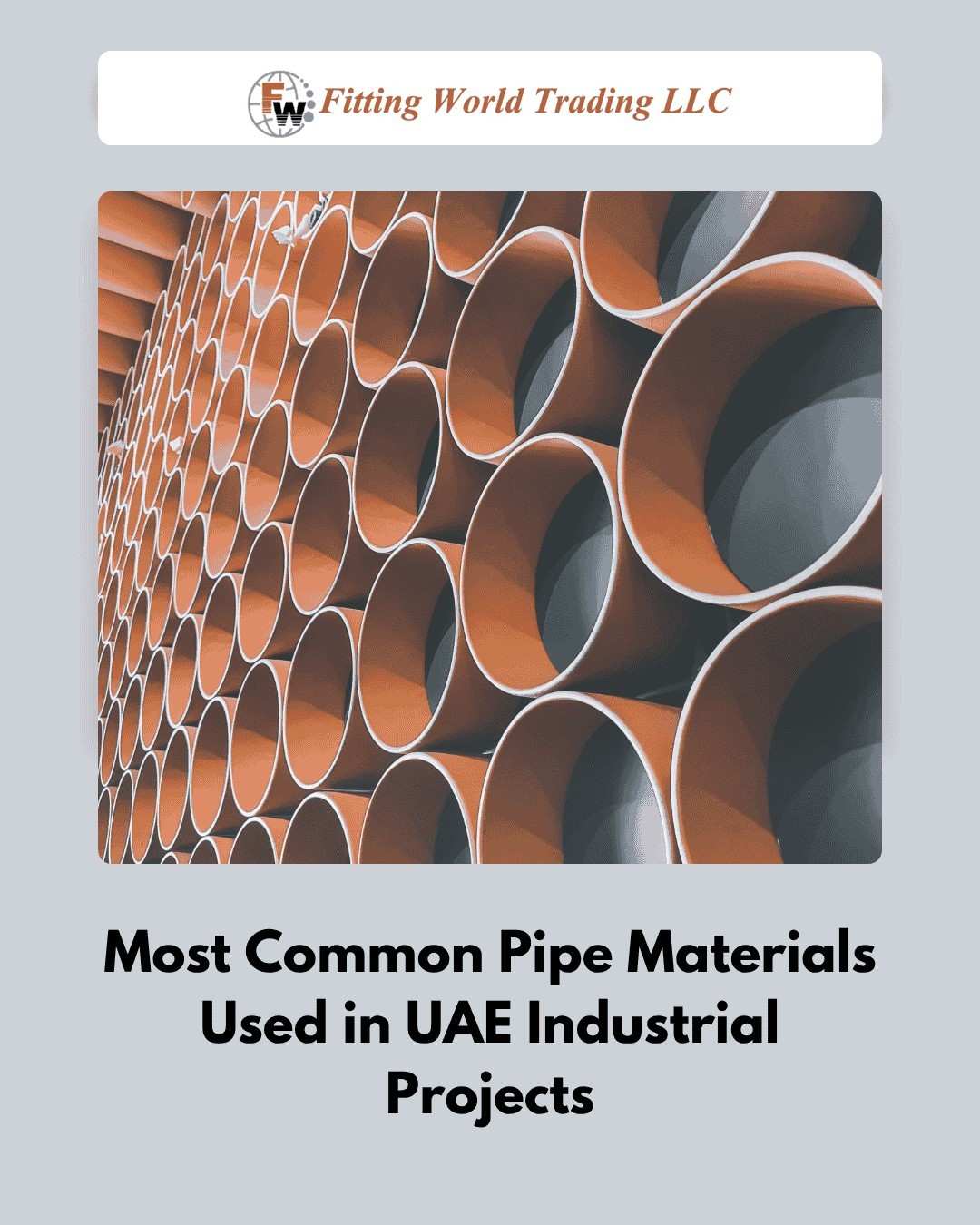
Most Common Pipe Materials Used in UAE Industrial Projects

Piping systems form the backbone of industrial infrastructure in the UAE, serving critical roles in oil and gas, chemical plants, water supply, and wastewater treatment. Selecting the right pipe material is crucial for durability, efficiency, and safety, especially in harsh conditions like high temperatures, humidity, and saline air.

Using the wrong material can cause corrosion, leaks, frequent maintenance, or operational failures. Common materials include steel pipes, plastic-based pipes, and specialized options such as copper, HDPE, and cast iron, each suited for specific applications.

Partnering with a trusted pipes supplier in UAE ensures high-quality materials and reliable guidance for long-lasting, efficient industrial pipelines.

Steel Pipes

Steel remains one of the most widely used pipe materials in UAE industrial projects because of its strength, durability, and long service life. Different types of steel pipes are preferred depending on the application:

Mild Steel (MS):

Mild steel is a versatile and cost-effective choice suitable for pipelines in a variety of industrial applications. Many projects source high-quality MS pipes from trusted suppliers offering carbon steel pipe, which ensures consistent performance. Mild steel is ideal for carrying water, compressed air, or non-corrosive fluids under moderate pressure.

Advantages:

  • Affordable and widely available
  • Strong enough for medium-pressure applications
  • Easy to fabricate and install

Limitations:

  • Prone to corrosion in coastal or humid environments unless coated or protected

Stainless Steel:

Stainless steel pipes are vital for environments that demand corrosion resistance, high-temperature tolerance, and long-term durability. They are widely used in industries such as oil and gas, chemical processing, and desalination plants.

Common grades include 304 and 316, with Grade 316 preferred in highly corrosive environments due to its superior resistance to chlorides.

Advantages:

  • Highly resistant to corrosion and chemical damage
  • Suitable for high-pressure and high-temperature fluids
  • Long-lasting and low-maintenance

Limitations:

  • Higher cost compared to mild or carbon steel
  • Requires specialized welding and handling in large projects

Common UAE Applications:

  • Offshore pipelines
  • Desalination plants
  • Chemical and petrochemical facilities

Seamless (SMLS) Pipes:

Seamless steel pipes are manufactured without welded joints, providing uniform strength and excellent pressure resistance. In Dubai, these pipes are widely used for high-pressure pipelines, steam lines, and petrochemical applications.

Advantages:

  • Handles high pressure and temperature efficiently
  • No weak points from welding
  • High mechanical strength and reliability

Limitations:

  • More expensive than welded pipes
  • Limited availability in extremely large diameters

Welded ERW Pipes:

Welded ERW (Electric Resistance Welded) pipes are widely used for medium-pressure applications, including water supply, HVAC, and industrial fluid transport. Welded ERW is an economical choice for projects requiring long pipe lengths with consistent diameter.

Advantages:

  • Cost-effective for medium-pressure applications
  • Easier to produce in long lengths
  • Good for general industrial pipelines

Limitations:

  • Slightly lower strength than seamless pipes
  • Weld seams can be a potential weak point under extreme conditions

Plastic-Based Pipes

Plastic piping is gaining popularity in UAE industrial projects due to lightweight construction, chemical resistance, and ease of installation. Common plastic pipe types include PPR, PVC, and CPVC:

PPR (Polypropylene Random Copolymer):

Known for its resistance to heat, pressure, and chemical corrosion, PPR is widely used in residential, commercial, and industrial water systems. Its non-toxic nature makes it suitable for potable water pipelines.

Advantages:

  • Long-lasting and corrosion-resistant
  • Handles high pressure and temperature
  • Lightweight and easy to install

Limitations:

  • Limited suitability for high-pressure petrochemical pipelines

PVC (Polyvinyl Chloride):

PVC is a durable, affordable, and corrosion-resistant option. It is commonly used for water distribution, drainage, and irrigation networks.

Advantages:

  • Cost-effective and widely available
  • Resistant to chemical corrosion
  • Lightweight and easy to cut/install

Limitations:

  • Not suitable for high-temperature fluids
  • Can become brittle in extreme cold or UV exposure

CPVC (Chlorinated Polyvinyl Chloride):

CPVC provides enhanced resistance to heat, water, and chemicals compared to standard PVC. It is often used for industrial water, oil, and chemical pipelines.

Advantages:

  • Handles higher temperatures than PVC
  • Resistant to corrosion and chemical degradation

Limitations:

  • More expensive than PVC
  • Requires careful installation to avoid stress fractures

Other Common Materials

  • Copper: Copper is valued for its thermal conductivity and corrosion resistance, often used in heating systems or smaller pipelines. Copper pipes are sometimes coated with PVC to improve durability and protect against environmental damage.
  • HDPE (High-Density Polyethylene): HDPE is flexible, lightweight, and corrosion-resistant, making it suitable for water, sewage, and chemical transport systems. HDPE’s flexibility allows it to withstand ground movement without cracking, which is particularly beneficial in large infrastructure projects.
  • Cast Iron: Cast iron pipes are used primarily for drainage and sewer systems due to their strength, fire resistance, and ability to handle heavy loads. They remain a durable choice in municipal and industrial projects where long-term reliability is critical.

Factors to Consider When Choosing Pipe Materials

Selecting the right pipe material depends on several key factors:

  1. Corrosion Resistance: Coastal and industrial regions require materials that can resist saline air and chemical exposure. Stainless steel, HDPE, and coated carbon steel are ideal choices.
  2. Temperature and Pressure: High-temperature steam or high-pressure fluids demand robust materials like stainless steel, seamless pipes, or carbon steel.
  3. Cost and Maintenance: Some materials may have higher upfront costs but reduce long-term maintenance and replacement expenses.
  4. Project Type: Water, wastewater, gas, and petrochemical pipelines each have unique requirements that influence material selection.
  5. Installation Flexibility: Lightweight materials such as PPR and HDPE simplify installation and reduce labor costs, which is important in complex industrial layouts.

FAQs 

What is the most commonly used material in pipe manufacturing?

Steel, particularly carbon steel and mild steel, is the most commonly used material in pipe manufacturing due to its strength, durability, and versatility across industrial applications.

Which material’s pipe is used for industrial locations pipeline?

Industrial pipelines often use stainless steel or carbon steel pipes because they can withstand high pressure, temperature, and corrosive environments.

What is the primary material for piping?

The primary material for piping varies by application, but steel (carbon or stainless) remains the standard for high-pressure and industrial systems, while plastics like PVC and PPR are popular for water and chemical transport.

What is the most common pipe material used in the petrochemical and petroleum industry?

Carbon steel and seamless steel pipes (SMLS) are widely used in petrochemical and petroleum pipelines due to their ability to handle high pressure, high temperature, and corrosive fluids.

Conclusion

Industrial pipelines in the UAE must endure harsh conditions while ensuring safety, durability, and efficiency. Steel pipes including Carbon Steel (CS), Stainless Steel, Seamless (SMLS), and Welded ERW are ideal for high-pressure and high-temperature applications.

Plastic options such as PPR, PVC, and CPVC provide cost-effective, corrosion-resistant solutions for water and chemical systems, while materials like copper, HDPE, and cast iron are used for specialized applications.

Fitting World Trading stands out as a leading pipe and fittings supplier in the UAE, offering high-quality industrial materials tailored to the region’s demanding environments. Choosing the right steel, plastic, or specialty pipes ensures safe, durable, and efficient industrial pipelines in the UAE’s harsh environments.

Explore More Expert Insights

Discover guides on carbon & stainless steel pipes, flanges, fittings, and high-pressure products for your next project.

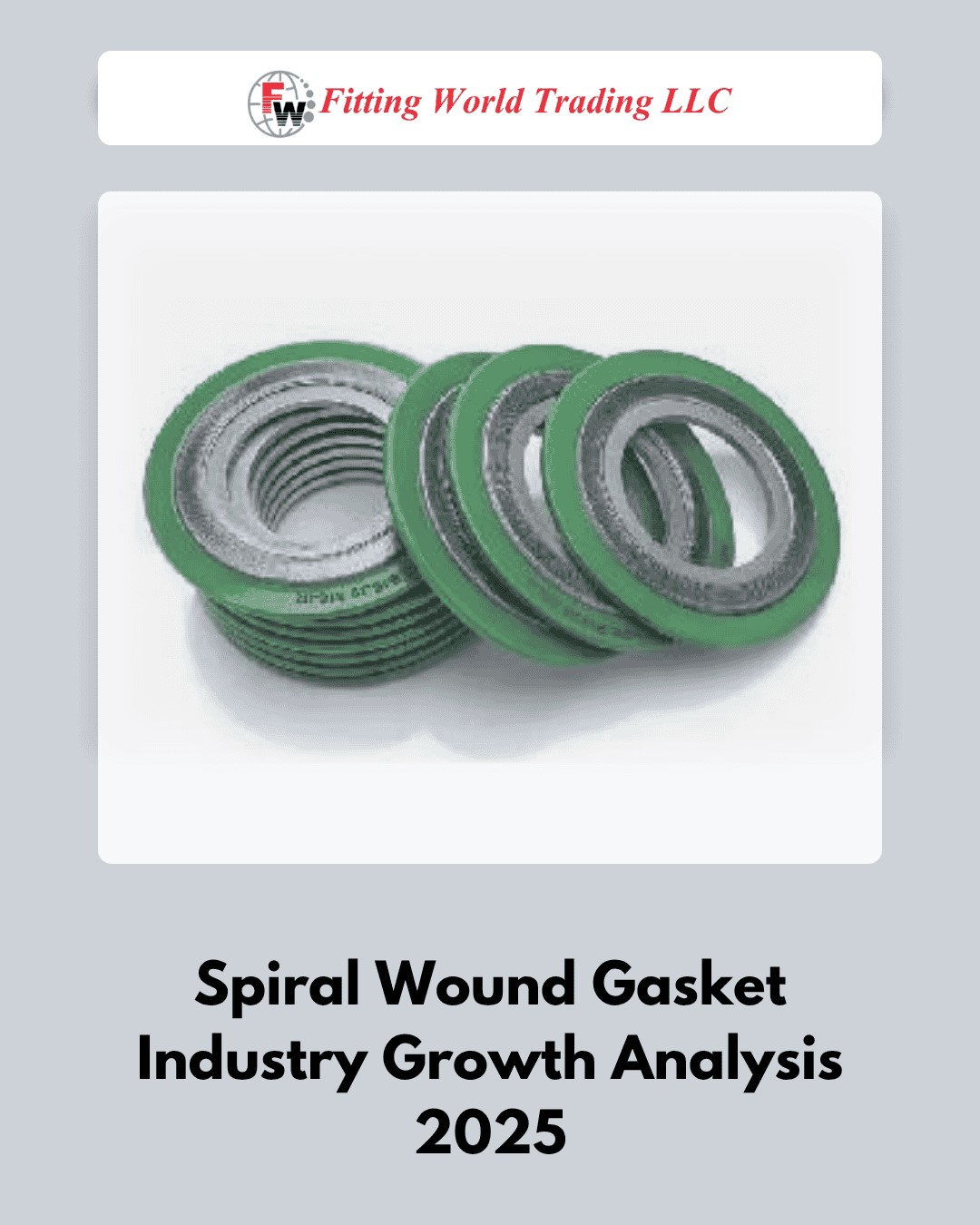
Spiral Wound Gasket Industry Growth Analysis 2025

The spiral wound gasket industry is experiencing strong momentum in 2025 as global demand for reliable sealing solutions continues to grow. With expanding oil and gas projects, increasing focus on industrial safety, and rising infrastructure investments, the spiral wound gasket market is set to reach new heights.

In this complete growth analysis, we explore the market size, trends, applications, and opportunities that make spiral wound gaskets one of the most trusted sealing products today.

What is a Spiral Wound Gasket?

A spiral wound gasket is an advanced industrial sealing device made of alternating layers of metal and filler material. This design provides tight sealing even under fluctuating temperature and pressure. It is widely used in oil refineries, chemical plants, power stations, and marine engineering due to its proven durability and reliability.

Unlike conventional gaskets, spiral wound gaskets offer flexibility, leak-proof design, and compatibility with multiple flanges, making them the ultimate industrial choice.

Market Growth Drivers in 2025

The spiral wound gasket industry growth 2025 is shaped by multiple factors fueling market expansion:

  • Oil & Gas Industry Demand – Offshore and onshore drilling projects are boosting gasket consumption.
  • Power Generation Needs – Steam, nuclear, and renewable plants require high-performance sealing systems.
  • Petrochemicals and Chemicals – Spiral wound gaskets ensure leak-free sealing in corrosive environments.
  • Global Safety Regulations – Stricter safety standards are pushing industries to adopt trusted sealing solutions.
  • Infrastructure Development – Rapid construction and industrialization in emerging economies drive gasket demand.

Industry Trends Shaping the Market

The spiral wound gasket market 2025 is evolving with advanced technologies and modern requirements:

  • Eco-Friendly Materials – Manufacturers are adopting asbestos-free, sustainable fillers.
  • Customized Gaskets – Industries are opting for tailor-made gaskets for unique applications.
  • High-Temperature Sealing – Demand for top-quality gaskets that perform under extreme heat and pressure.
  • Affordable Reliability – Growing need for cost-effective yet proven gaskets in developing markets.

These innovations reflect the expert-driven growth strategy of manufacturers adapting to industry needs.

Global Market Outlook 2025

The spiral wound gasket market share is set to expand globally, with specific regions showing stronger adoption:

  • Asia-Pacific – Industrialization, chemical plants, and power projects drive demand.
  • Middle East & Africa – Oil and gas projects dominate market growth.
  • North America & Europe – Strong emphasis on industrial safety compliance and modernization.

This expansion confirms that spiral wound gaskets will remain among the most reliable industrial sealing products worldwide.

Key Applications of Spiral Wound Gaskets

The wide use of spiral wound flange gaskets highlights their critical role in industries:

  • Oil and Gas Pipelines
  • Refineries and Petrochemicals
  • Marine and Shipbuilding
  • Aerospace and Defense
  • Power Generation Plants
  • Chemical Processing Units

Their versatility and proven efficiency make them the top choice for industrial sealing in 2025.

Why Spiral Wound Gaskets Are the Best Choice

Engineers and industrial experts prefer the best spiral wound gaskets for their top sealing performance, proven reliability, and advanced durability.

  • Durability against harsh operating conditions.
  • Flexibility under pressure variations.
  • Leak-Proof Safety ensuring maximum protection.
  • Compatibility across multiple industries.
  • Trusted Performance proven over decades of use.

For businesses seeking the ultimate sealing solution, spiral wound gaskets provide the perfect balance of safety, efficiency, and affordability.

Future Opportunities in the Industry

Looking ahead, the spiral wound gasket industry is poised for exciting opportunities:

  • Smart Manufacturing – Automation and precision engineering in gasket production.
  • Green Energy Projects – Increased demand in renewable and sustainable energy industries.
  • Advanced Materials – New fillers and alloys for longer-lasting performance.
  • Global Expansion – Growing markets in Asia, Africa, and Latin America.

The companies that focus on innovation and sustainability will be the market leaders of tomorrow.

Buy Spiral Wound Gaskets in UAE from a Trusted Supplier

If you are planning to buy spiral wound gaskets in UAE, FW Trading LLC is a trusted supplier known for quality, reliability, and excellent service. The company delivers top-quality industrial sealing solutions designed for industries such as oil and gas, power generation, chemical processing, and marine applications.

When you choose FW Trading, you benefit from expertly engineered gaskets that are built for long-lasting performance, affordable pricing that ensures value without compromising on standards, and a commitment to fast delivery with dependable customer support across the UAE.

FAQs

What is driving the spiral wound gasket industry growth in 2025?

The market is growing due to rising oil and gas exploration, strict safety regulations, power generation needs, and increased demand for affordable sealing solutions.

Which industries use spiral wound gaskets most?

They are widely used in oil and gas, chemicals, power plants, marine, aerospace, and refineries.

Are spiral wound gaskets affordable?

Yes. In 2025, manufacturers are offering affordable yet reliable gaskets designed for both high-performance and cost efficiency.

What regions will see the highest gasket demand?

Asia-Pacific, Middle East, and North America are projected to dominate due to rapid industrial expansion and energy investments.

Why are spiral wound gaskets the best sealing option?

Because they deliver trusted performance, leak-proof safety, durability, and flexibility, making them the ultimate industrial sealing solution.

Conclusion

The spiral wound gasket industry growth analysis 2025 clearly highlights that these gaskets are not just standard industrial products but advanced, proven, and reliable sealing solutions that safeguard critical operations. As global industries continue to expand, the demand for trusted and affordable spiral wound gaskets will only increase.

Companies that adopt innovation, eco-friendly materials, and advanced manufacturing techniques will remain ahead of the competition. For businesses seeking the best industrial sealing option, spiral wound gaskets represent the top choice for safety, efficiency, and long-term value in 2025 and beyond.

Explore More Expert Insights

Discover guides on carbon & stainless steel pipes, flanges, fittings, and high-pressure products for your next project.

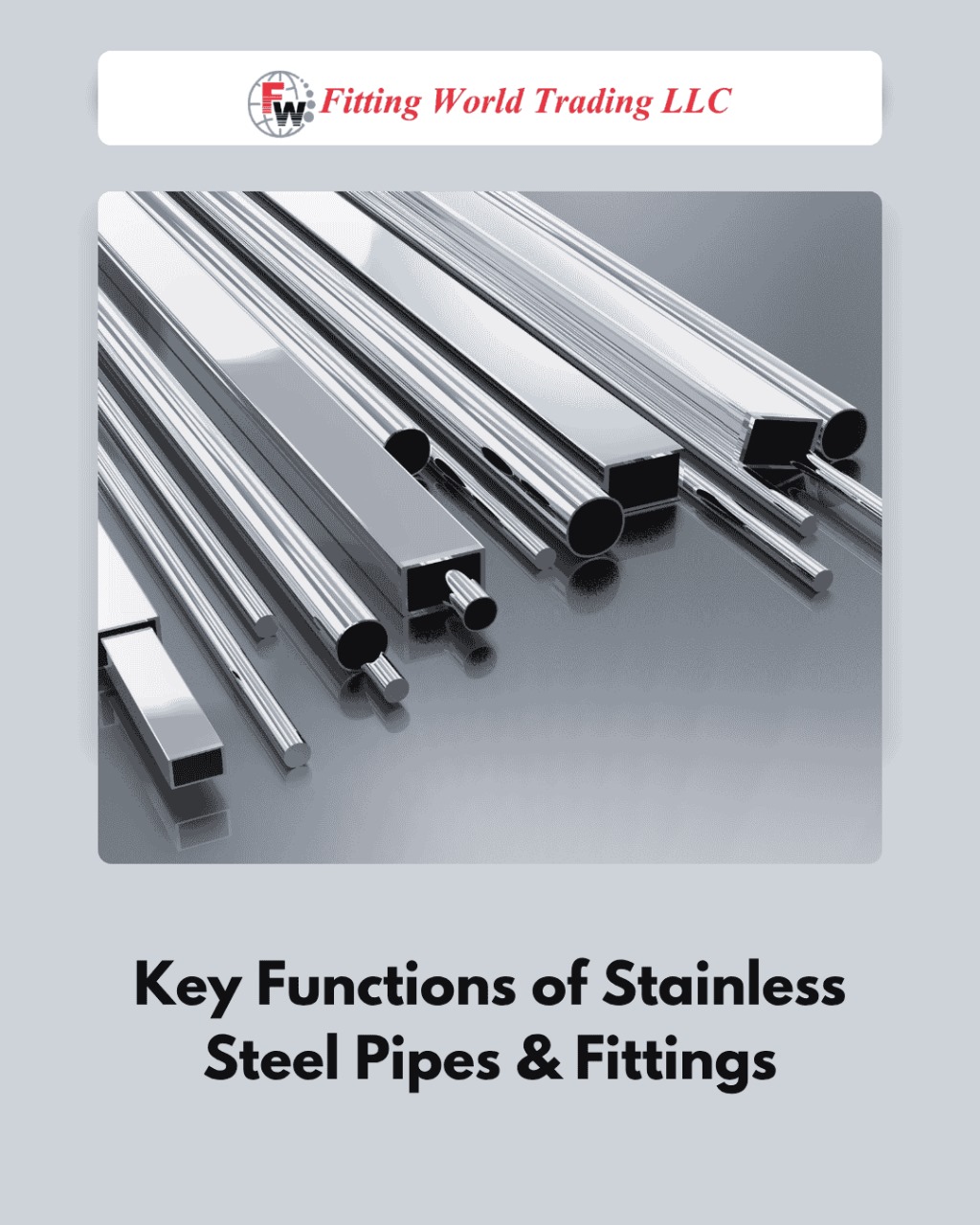
Key Functions & Uses of Stainless Steel Pipe Fittings

Stainless steel pipe fittings are very necessary items in the contemporary infrastructure that is distinguished by robustness, resistance against corrosion, and flexibility. They make fluid transportation safe and efficient and offer structural stability in a diverse array of applications.

Complementary piping materials like Carbon Steel (CS) Pipe and Stainless Steel (SS) Pipe are also used in many sectors to develop high-performing, durable piping systems that can be used in harsh conditions.

Functions & Uses of Stainless Steel Pipe Fittings

1. Secure Connection Between Pipes

Stainless steel fittings such as elbows, tees, flanges, and couplings are engineered to provide tight and leak-proof joints between pipes. Their precision design ensures structural stability even under high pressure or temperature. These fittings are compatible with multiple piping systems, including Seamless (SMLS) pipelines and Welded ERW structures commonly used in industrial applications.

2. Efficient Flow Control and Direction

Pipe fittings are integral to regulating the flow and direction of liquids and gases within a piping system. Reducers, elbows, and valves help control pressure, reduce turbulence, and maintain system efficiency. In mixed-material installations, stainless fittings are often integrated with Galvanized Iron (GI) Pipe to create reliable and cost-effective networks.

3. Corrosion and Temperature Resistance

Among the greatest benefits of stainless steel fittings is the possibility to resist corrosion, chemical attack, and high temperature. This renders them useful in harsh conditions like chemical facilities, marine and power generating systems. In contrast to other materials, stainless fittings maintain their integrity and look even in the presence of moisture, harsh chemicals or changing temperatures in the long term.

4. Hygienic and Easy to Clean

The stainless steel fittings are internally smooth, which removes the buildup of bacteria and makes cleaning and sterilizing the fittings a simple process. They generate contamination free networks that are most suitable to industries that require high hygienic conditions such as food processing, pharmaceutical and beverage manufacturing when used together with Welded ERW pipelines. This property can help save the maintenance costs and can comply with the safety and quality standards.

5. Support for Structural Stability

Beyond transporting fluids, fittings also play a structural role by reinforcing mechanical and pipeline systems. Their strength and durability make them suitable for use alongside Stainless Steel (SS) Pipe in industries such as construction, automotive, and marine operations. They can handle physical stress, vibrations, and load-bearing applications without compromising performance, making them a versatile choice for long-term infrastructure projects.

Uses of Stainless Steel Pipe Fittings in Dubai Industries

1. Construction Industry

In Dubai’s growing construction sector, stainless steel pipe fittings are widely used in plumbing systems to ensure reliable water supply and drainage in both residential and commercial buildings. Their corrosion resistance makes them ideal for high-humidity environments, preventing leaks and deterioration over time. They are also used extensively in HVAC systems to maintain efficient heating and cooling in modern buildings. Many contractors pair these fittings with Carbon Steel (CS) Pipe to create strong, hybrid networks that deliver both performance and longevity.

2. Oil and Gas Industry

The oil and gas sector in Dubai demands materials that can withstand extreme temperatures and highly corrosive environments. Stainless steel fittings are integral to pipelines, refineries, and offshore platforms where they are exposed to hydrocarbons and harsh weather conditions. They are often paired with Seamless (SMLS) and Welded ERW pipes to ensure the safe and efficient transportation of oil and gas products. Their strength and resistance to chemical degradation make them an industry standard for critical energy infrastructure.

3. Chemical Industry

Dubai Chemical plants deal with aggressive chemicals like acids, alkalis and solvents that can easily corrode traditional metals. Fittings made of stainless steel have better resistance to these chemicals, and are therefore considered the best option to safe, long-run operation. Their integrity to withstand hard processing environments is maintained, contrary to simple Galvanized Iron (GI) Pipe that might deteriorate very quickly due to exposure to corrosive fluids. This resistance guarantees that there is minimum downtime and that there is less frequent maintenance.

4. Food and Beverage Industry

The food and beverage sector is very dependent on stainless steel fittings to ensure hygiene and purity of products during production. They are employed in the processing plants to deliver liquids like milk, juice and soft drinks. When they are combined with the stainless steel ss pipe Dubai they create non-reactive and easily cleanable pipelines that do not alter the taste, quality and safety of the products. This would render stainless steel fittings a crucial decision to companies that have high standards of health and quality.

5. Pharmaceutical Industry

Dubai’s pharmaceutical industry depends on fittings that meet high sanitary and safety standards. Stainless steel fittings are used in manufacturing and processing systems where sterility is critical. Their smooth surfaces, corrosion resistance, and ease of sterilization make them ideal for producing medicines and pharmaceutical products. These properties ensure that contamination risks are minimized and production processes remain efficient and compliant with industry standards.

6. Marine Industry

The marine environment in Dubai is characterized by high salt content and humidity, which can rapidly corrode ordinary metals. Stainless steel fittings are extensively used in shipbuilding, desalination plants, and other marine infrastructure to handle systems such as bilge pumps, ballast systems, and pipelines. Their ability to withstand saltwater exposure without rusting makes them a reliable choice for critical marine applications.

7. Automotive Industry

In Dubai’s automotive sector, stainless steel fittings are applied in fuel lines, exhaust systems, and cooling networks. Their ability to endure high temperatures and corrosive exhaust gases enhances vehicle performance and durability. By maintaining their structural integrity under extreme conditions, these fittings contribute to longer service life and reduced maintenance requirements in modern vehicles.

FAQs

What is the function of stainless steel pipe?

The function of stainless steel pipe is to safely transport liquids, gases, or steam while resisting corrosion, high temperatures, and pressure. It ensures a clean, durable, and efficient flow system across industries.

What are the functions of pipe fittings?

Pipe fittings connect, extend, or change the direction and flow within a piping system. They ensure leak-proof joints, proper pressure control, and structural stability in both industrial and commercial applications.

What is the function of stainless steel?

The primary function of stainless steel is to provide strength, durability, and corrosion resistance. Its hygienic and heat-resistant properties make it suitable for harsh environments and sanitary applications.

What are stainless steel fittings used for?

Stainless steel fittings are used to connect and secure pipes in systems requiring durability and hygiene. They’re common in construction, oil and gas, food processing, pharmaceuticals, marine, and automotive industries.

Conclusion

Stainless steel pipe fittings are also critical in achieving efficiency, safety and longevity of the contemporary infrastructure. These are the main roles that make them an essential selection in a myriad of industries: secure pipe connections, flow regulation, corrosion resistance, hygiene and structural support.

When applied to construction, oil and gas, chemical processing, food and beverage manufacturing, pharmaceuticals, marine operations or in the automotive production, these fittings offer long-term reliability and performance that is not readily available to other materials.

They are especially prevalent in Dubai because of the demanding environmental factors and a variety of industries of the region. Combining stainless steel fittings with compatible piping systems such as carbon steel, galvanized iron, seamless or welded pipes, industries enjoy high efficiency, long-term and sustainable solutions to critical infrastructure.

Connect with Fitting World Trading LLC  for premium-quality stainless steel pipes and fittings that meet international standards. FW Trading is a trusted partner for durable, precision-engineered piping solutions for construction, industrial, and commercial applications.

Explore More Expert Insights

Discover guides on carbon & stainless steel pipes, flanges, fittings, and high-pressure products for your next project.

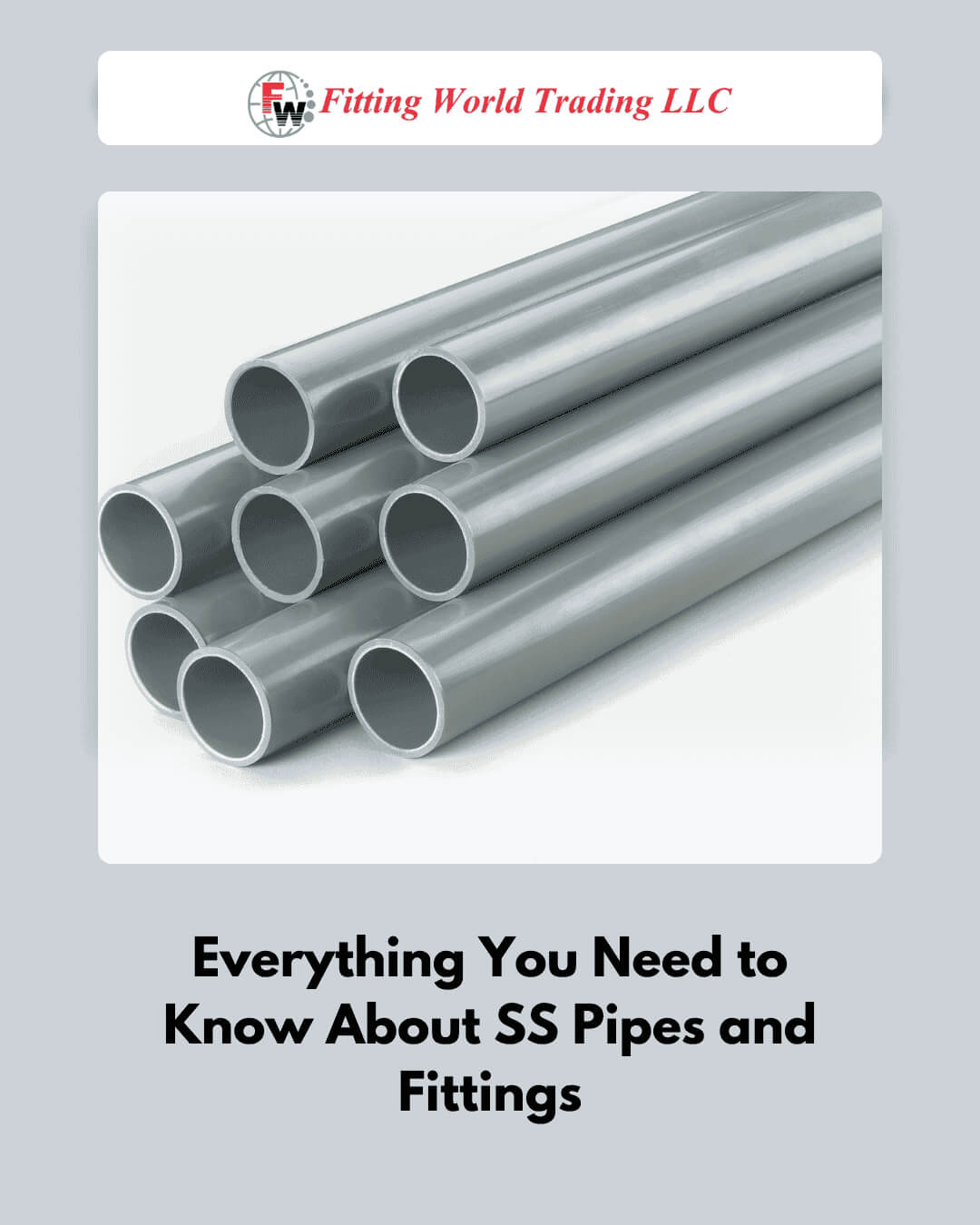
Everything You Need to Know About SS Pipes and Fittings

When it comes to industrial development, infrastructure projects, and construction in Dubai and across the UAE, stainless steel (SS) pipes and fittings play a crucial role. From high-rise buildings to oil and gas facilities, these components ensure durability, safety, and efficiency. As the UAE continues to expand its industrial and commercial sectors, the demand for SS pipes and fittings is growing steadily.

Whether you are involved in plumbing, HVAC systems, petrochemical industries, or food processing plants, understanding everything about SS pipes and fittings is essential.

Why Stainless Steel Pipes and Fittings Are in Demand in UAE

The UAE has positioned itself as a global hub for infrastructure development, industrial projects, and cutting-edge construction. Stainless steel pipes are highly preferred due to offering durability, resistance to corrosion, and the ability to withstand extreme temperatures and pressure. In a region like Dubai, where projects often demand high performance under extreme weather conditions, stainless steel fittings provide unmatched reliability.

SS pipes are used in sectors such as oil and gas, desalination plants, construction, and food processing. The material’s ability to resist rust and withstand high pressure makes it a top choice for industries seeking both safety and efficiency.

Advantages of Using Stainless Steel Pipes in Dubai

  1. Corrosion Resistance: The UAE’s humid climate and coastal environment make corrosion a major concern. SS pipes naturally resist rust and oxidation, making them ideal for long-term use.
  2. Durability: These pipes can withstand high pressures, making them suitable for heavy-duty applications in oil, gas, and water supply systems.
  3. Hygiene: Stainless steel is non-toxic and easy to clean, which makes it essential for industries like food and pharmaceuticals.
  4. Sustainability: With sustainability being a growing priority in Dubai’s construction sector, stainless steel’s recyclability adds significant value.

Common Applications of SS Pipes and Fittings in the UAE

  • Construction Projects: Used extensively in high-rise buildings, residential complexes, and commercial properties.
  • Oil & Gas Sector: Preferred for pipelines and processing facilities due to high pressure and temperature resistance.
  • Water Supply & Desalination: Widely used in Dubai’s water infrastructure because of corrosion resistance.
  • Food & Beverage Industry: Essential for hygienic transport of liquids and chemicals.
  • HVAC & Firefighting Systems: Ensures reliable flow and system integrity.

For businesses looking for reliable materials, working with trusted SS pipe suppliers in UAE ensures that the right quality and specifications are met.

Trending Types of SS Pipes and Fittings in Dubai

  1. Seamless Stainless Steel Pipes: Known for strength and uniformity, often used in oil and gas pipelines.
  2. Welded Stainless Steel Pipes: Cost-effective and widely used in construction and water distribution.
  3. Elbow Fitting Pipe: A crucial fitting that changes the direction of flow in pipelines, commonly used in HVAC and plumbing networks.
  4. SS Tubes:  Lightweight yet durable, making them essential for architectural structures and modern design projects. Partnering with experienced SMLs suppliers in UAE ensures top-quality solutions.

The Growing Role of Fittings in Industrial Infrastructure

Fittings are as important as the pipes themselves, as they connect, redirect, and control the flow within systems. Common fittings include elbows, tees, reducers, couplings, and valves. For those deciding on the best connection method, understanding the differences between Buttweld vs. Threaded Fittings can help ensure optimal performance and longevity in your piping system.

For example, needle valves are often used in high-precision industries where fine control of liquid or gas flow is essential. Businesses collaborating with trusted needle valve suppliers in UAE benefit from precise engineering that supports industrial performance.

Stainless Steel vs GI Pipes in UAE Projects

While stainless steel is the most preferred choice, galvanized iron (GI) pipes also find usage in water supply and fire safety systems. GI pipes are cost-effective but not as long-lasting as stainless steel when exposed to harsh environmental conditions. Many companies partner with GI pipe suppliers in UAE for specific applications, but SS pipes remain the top choice for projects demanding longevity and corrosion resistance.

Key Considerations When Choosing SS Pipes and Fittings

  1. Grade of Stainless Steel: Ensure compatibility with the intended use (e.g., 304, 316 grades).
  2. Pipe Size and Thickness: These determine flow efficiency and strength.
  3. Fittings Type: Select based on system design—elbows, tees, reducers, or valves.
  4. Supplier Reliability: Collaborating with leading SS pipes and fittings suppliers in UAE guarantees consistent quality, timely delivery, and compliance with international standards.

Emerging Trends in the UAE’s Stainless Steel Industry

  • Smart Infrastructure: Integration of advanced piping systems into smart buildings.
  • Sustainability Goals: Increased use of recyclable materials like stainless steel.
  • Technological Advancements: Automated manufacturing and precision engineering in fittings.
  • Expanding Oil & Gas Investments: Boosting demand for seamless SS pipes.

How to Maintain Stainless Steel Pipes and Fittings

Proper maintenance extends the lifespan of SS pipes and ensures consistent performance. Routine inspections, cleaning with non-abrasive agents, and avoiding contact with corrosive chemicals help maintain surface integrity. In industries like food processing, regular sanitization is critical to meet hygiene standards.

Choosing the Right Supplier for Your Project in Dubai

The UAE market offers a wide range of suppliers, but not all provide the same level of quality assurance. When selecting a partner, consider factors such as industry certifications, product testing standards, customer reviews, and after-sales support. Choosing a reputable supplier ensures that your project benefits from durable materials and professional guidance.

FAQs

How many types of SS pipes are there?

There are mainly five types of stainless steel pipes: seamless, welded, ERW (Electric Resistance Welded), EFW (Electric Fusion Welded), and U-bend pipes.

What is the difference between 304 and 316 SS pipe?

316 SS contains molybdenum, making it more resistant to corrosion, especially against chlorides, whereas 304 SS is less corrosion-resistant but more economical.

What is the ASME standard for SS pipe?

The common ASME standard for stainless steel pipes is ASME B36.19M, covering dimensions and wall thickness.

What are the 5 types of stainless steel?

The five types are Austenitic, Ferritic, Martensitic, Duplex, and Precipitation-Hardening stainless steels.

Final Thoughts

The role of stainless steel pipes and fittings in Dubai and the wider UAE cannot be overstated. They form the backbone of industries ranging from construction and oil & gas to food processing and water supply. With their durability, resistance to corrosion, and sustainability benefits, SS pipes remain the first choice for major projects.

Whether you need high-pressure pipelines, architectural tubes, or specialized fittings like needle valves and elbows, the UAE’s growing supplier market provides endless options. Businesses that collaborate with reputed suppliers not only ensure quality but also gain a competitive edge in their projects.

For companies in Dubai looking for trustworthy rescue solutions, Fitting World Trading LLC is the authorized supplier of these invaluable rescue items.

Explore More Expert Insights

Discover guides on carbon & stainless steel pipes, flanges, fittings, and high-pressure products for your next project.

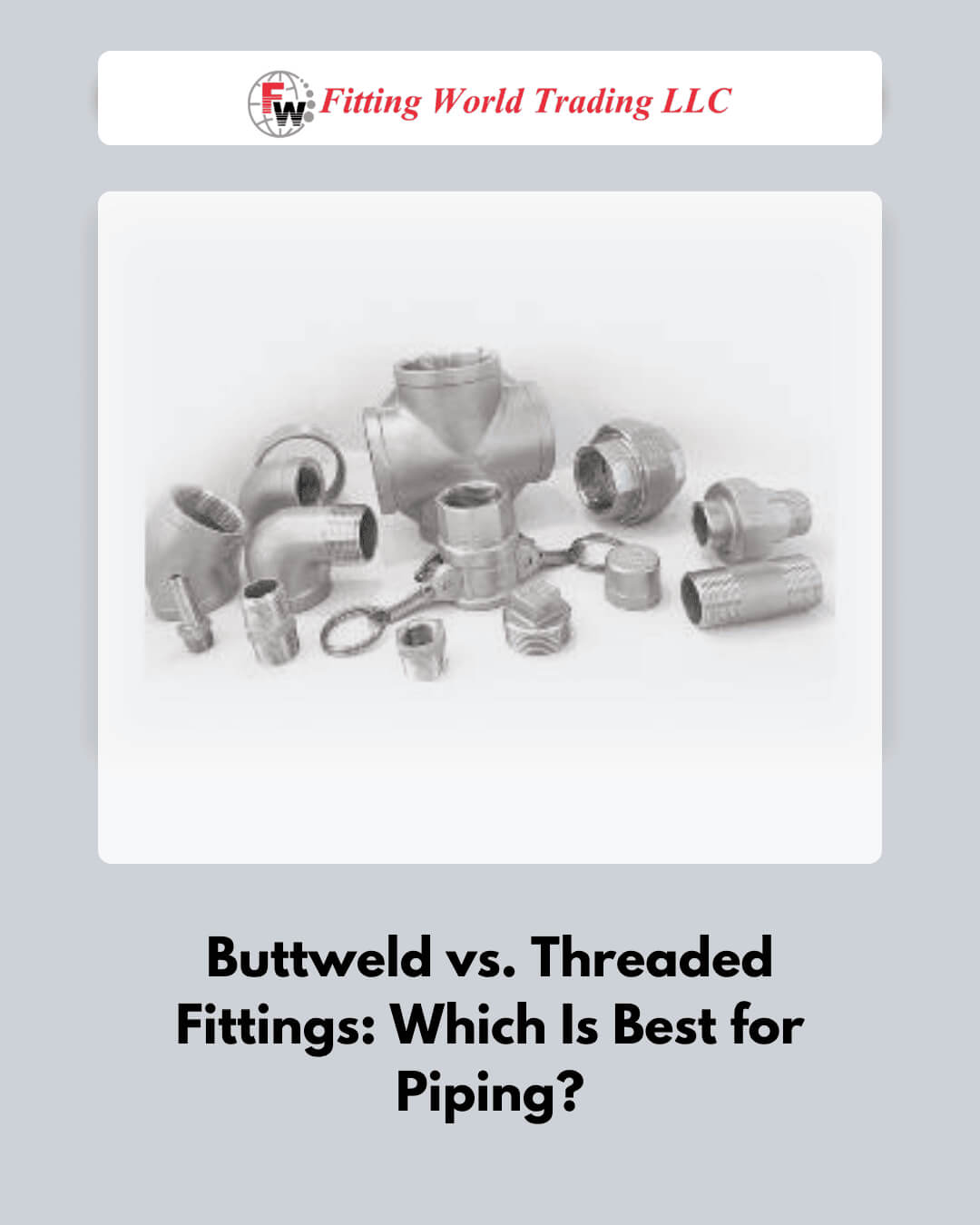
Buttweld vs. Threaded Fittings: Which Is Better for Piping?

Selecting suitable piping fittings is a very important decision in a project. In oil & gas, petrochemical plants, water treatment, or industrial HVAC systems, the method of connecting that you choose will determine durability, maintenance, cost, and efficiency of flow.

Two of the most used fittings are buttweld fittings and threaded fittings. Here we compare them, illustrating which is best in different situations to enable you to make the proper decisions for your piping system.

What Are Buttweld and Threaded Fittings?

Buttweld fittings are welded onto pipes, creating one unified, welded joint. Welding involves preparing pipe ends (typically beveling), positioning them, and carrying out welds in accordance with norms. These are utilized in high-pressure and high-temperature systems, petrochemical complexes, power generation, and industrial fluid delivery systems due to their strength and leak resistance. A Reducing Tee or an Equal Tee is often chosen to maintain smooth fluid flow while allowing branch connections.

In large industrial systems, tees are not the only requirement. Many designers prefer a Cross Tee when multiple branch lines intersect, ensuring durability under demanding conditions. Similarly, reducers play a vital role in pipe transitions—whether you need an Eccentric Reducer for horizontal piping or a Concentric Reducer for vertical alignment, buttweld fittings provide strength and longevity.

On the other hand, threaded fittings join pipes through screwed threads. These are commonly applied to smaller pipe diameters, low-pressure systems, and household water piping, where fast installation is valued. For instance, a Reducing Socket can be used for diameter adjustments without welding, while a Bushing provides a secure threaded transition between different pipe sizes.

Another widely used component is the Coupling Socket, which allows two pipes to be connected quickly with minimal tools. Such threaded options are practical for projects that require frequent assembly or disassembly, though they do have higher risks of leakage under stress if not maintained properly.

Key Differences: Strength, Flow, Pressure & Cost

1. Strength and Durability

Buttweld fittings form joints that tend to be stronger than the parent pipe material since the weld forms a solid metal structure with no stress concentrations from the thread. A Concentric Reducer or Eccentric Reducer  in buttweld form, for example, not only changes the pipe size smoothly but also maintains strength and alignment in demanding environments.

Threaded fittings, although satisfactory for most purposes, are subjected to greater stress at threads, which can deteriorate with time, particularly in harsh environments or due to exposure to vibration, thermal cycling, or corrosive fluids.

2. Fluid Flow Efficiency

With buttweld fittings, flow surface on the inside is smooth and direction changes (such as elbows) can be constructed with long radius, short radius, or curve gradually. This minimizes turbulence and pressure drop, thus enhancing efficiency.

Threaded fittings possess internal threads, which break flow slightly, enhance turbulence, and may cause pressure drop or corrosion in thread crevices.

3. Resistance to Pressure and Temperature

For high-temperature and high-pressure applications, buttweld fittings are the preference. Power plant, petrochemical, and refinery systems usually require them to provide joint strength during thermal expansion and severe temperature cycling.

Threaded fittings have less maximum pressure rating, and their performance will degrade with increase in temperature, particularly if sealants or thread tapes are employed.

4. Installation, Maintenance & Cost

Buttweld fittings need qualified welding, proper alignment, correct bevel preparation, and compliance with welding codes. That is more costly installation, longer preparation and inspection (e.g. non-destructive testing) in most cases. But they are generally lower maintenance, lower leakage risk, and longer service life, often making them cost-effective in the long term.

Threaded fittings are simpler to install, quicker to assemble, involve more primitive tools, and are more convenient when disassembly or occasional changes are required. However, they usually involve more maintenance and sealing checks, especially in larger systems.

Advantages & Disadvantages of Each

Feature Advantages of Buttweld Fittings Disadvantages of Buttweld Fittings
Leak Resistance Seamless joints, low chance for leakage, withstands thermal cycling Requires skilled welder, site conditions affect quality
Flow Dynamics Smooth bore, less pressure drop through bends More expensive initial cost, labor-intensive
Maintenance Less maintenance once installed, longer performance Harder to disassemble; weld repairs complicated
Installation Speed Permanent joints, no threads or sealants Slower to install, requires prep & alignment
Cost Over Lifecycle Long life offsets higher initial cost Higher upfront investment, inspection required

Material & Standard Considerations

Material choice is important: stainless steel, carbon steel, alloy steels, duplex, and so on. For buttweld fittings, manufacturers typically adopt standards such as ASME B16.9, ASTM A234, ASTM A403, etc. Threaded fittings may use the same base materials but are more susceptible to thread corrosion and cyclic fatigue.

Whether it’s a Buttweld Fittingsreducer or a Threaded Fittings coupling, proper installation and inspection are key to preventing leaks and extending service life.

Use Cases: When to Choose Buttweld vs Threaded

  • High-pressure steam lines → buttweld for safety and preventing leakage
  • Petrochemical transfer pipes (crude, products, or chemicals) → buttweld
  • Water supply mains or large diameter pipes → buttweld due to efficiency
  • Temporary piping, manifolds, or small instruments → threaded fittings
  • Repair or modifications where disassembly is frequent → threaded or hybrid systems

Installation & Maintenance Best Practices

  • Have welders certified and use welding procedure specifications.
  • Use proper beveling and alignment for buttweld joints.
  • In threaded fittings, apply high-quality sealants and regularly check threads.
  • Use coatings or corrosion-resistant materials to extend service life.
  • Perform preventive maintenance such as torque checks and replacement of worn parts.

FAQs

1. Which pipe fitting is best?

It depends on application: Buttweld fittings are best for strength and durability, while threaded fittings are best for small, low-pressure systems.

2. What is one advantage of welded pipe installations verses threaded pipe applications?

One advantage of welded pipe installations vs threaded applications in welded installations provide stronger, leak-proof joints suitable for high pressure and temperature.

3. Difference between welded and threaded joints?

  • Welded joints: Permanent, stronger, seamless flow path, used in critical systems.
  • Threaded joints: Removable, easier to assemble, but weaker and prone to leaks.

4. Which is better, seamless or welded pipe fittings

Seamless fittings are better for high-pressure, high-temperature, and critical applications, while welded fittings are more cost-effective and adequate for general use.

Conclusion: Which One is Best?

There is no universal winner. For challenging piping systems with high pressure, high temperature, corrosive conditions, and long service life expectations, buttweld fittings are more reliable. Buttweld fittings create welded joints inherently stronger than other connection methods like threaded or flanged joints Their smooth bore design, strength, and leak resistance make them essential in critical industries.

For smaller, flexible systems where quick installation, lower cost, and easy disassembly are priorities, threaded fittings are often the smarter choice.

Ultimately, selecting the right fitting whether it’s a Reducing Tee, Cross Tee, Concentric Reducer, or a simple Coupling Socket depends on your system’s pressure, environment, and maintenance requirements. By understanding both options, you ensure efficiency, safety, and long-term reliability in your piping project.

For companies in Dubai looking for trustworthy rescue solutions, FITTING WORLD TRADING LLC is the approved supplier of these invaluable rescue items.


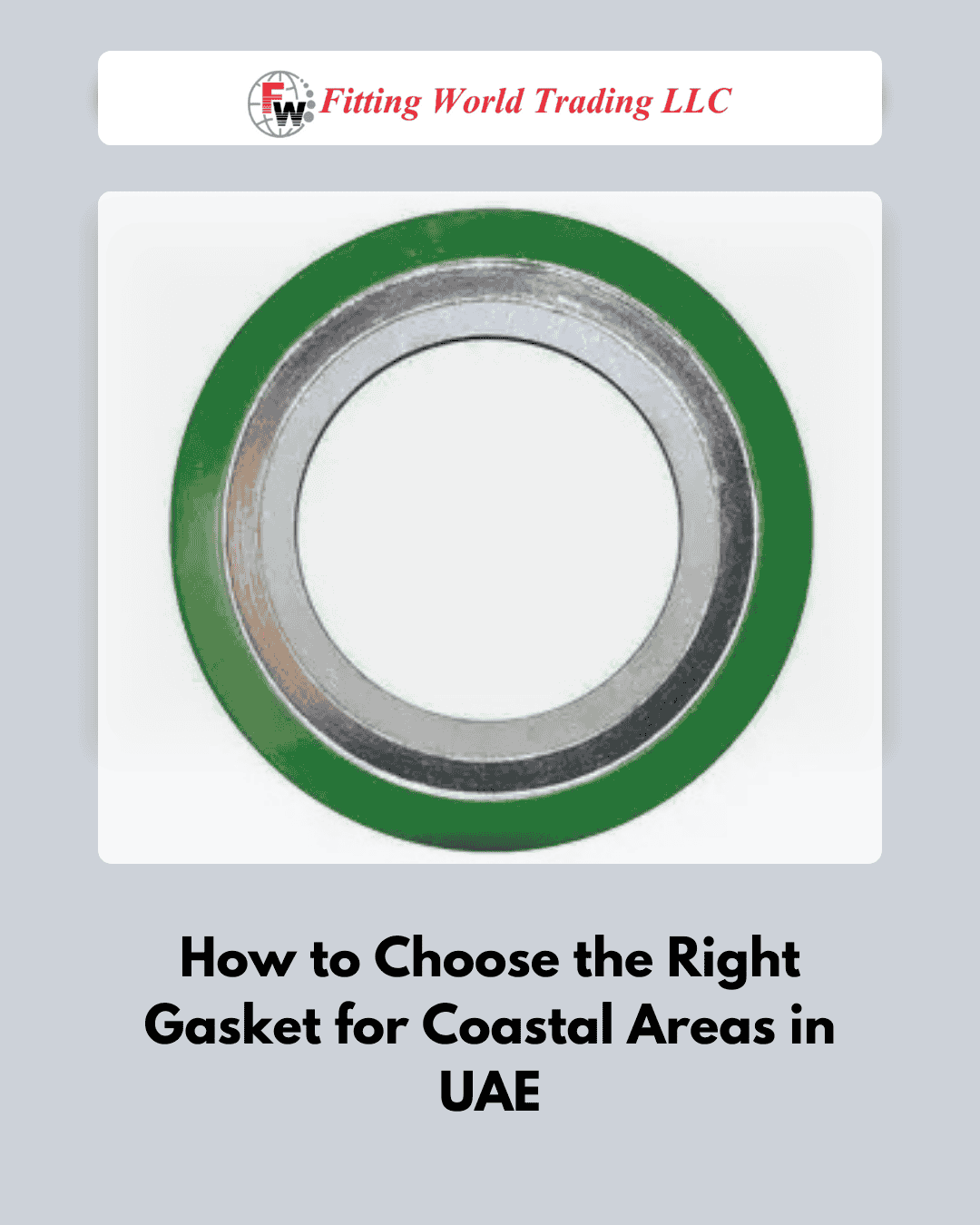
How to Choose the Right Gasket for Coastal Areas in UAE

Selecting a suitable gasket for the UAE coast, i.e., in Abu Dhabi, and Sharjah, must be determined by the harsh marine conditions.

Coastal areas are affected by high humidity, saltwater environment, fluctuating temperatures, and corrosiveness of seawater. 

In oil and gas, marine, desalination plants, construction, and power generation sectors, an improper selection of gasket causes equipment failure, leaks and lost downtime.

This guide will assist you in determining the most important factors to look for when choosing gaskets for UAE’s coastal regions and the remainder of the UAE, in addition to the best gasket materials and applications. 

Why Gasket Selection Is Important in Coastal Regions

Gaskets are an essential element in closing fittings and avoiding leakage on pipelines, pumps, compressors, and other process equipment. In marine UAE environments, the environment promotes aging gaskets in the following ways:

  • Corrosive salt air that promotes corrosion and degradation of materials.
  • High humidity causing swelling or softening of some gasket materials.
  • Extensive temperature fluctuations resulting from strong daytime sunlight to freezing nights.
  • Endless contact with seawater for applications in marine and desalination plants.

Without a suitable gasket material, companies have increased maintenance expenses, safety risks, and unplanned downtime.

Points to Consider while Selecting Gaskets in UAE Coastal Regions

1. Corrosion Resistance

Salt and water are most corrosive towards metals and elastomers. Always use gaskets that are resistant to rust, chemical attack, and degradation. PTFE, graphite and quality stainless steel materials are better for the UAE coastal conditions.

2. Temperature and Pressure Ratings

Industrial uses in Dubai tend to feature high pressure pipes, compressors, or pumps. The gasket must be capable of resisting not only pressure but also highly elevated temperatures formed as a consequence of the environment and working conditions. 

3. Media Compatibility

Regardless of application in seawater pipes, chemical processing, or oil and gas processing, the material should be chemically compatible with the fluid or gas being enclosed. EPDM gaskets, for instance, may find application in water but not in hydrocarbons.

4. Durability and Longevity

In places such as Jebel Ali Port, Fujairah and Ras Al Khaimah, equipment operates day and night in harsh conditions. The choice of resilient gasket materials reduces replacement requirements and optimizes working reliability.

5. Compliance to Industry Standards

The majority of industries in the UAE require gaskets that meet international standards such as ASME, API or ISO. Adherence avoids safety risks and meets regulatory requirements.

Best Gasket Materials for Coastal UA

One of the conventional products that still have applicability in sealing is the CAF Gasket, which is economical and compressible. Care should be taken to completely tally CAF gaskets in marine UAE environments because they have limited resistance to aggressive chemicals and seawater.

For applications that call for asbestos free substitutes, the CNAF Gasket is an option. Compressed Non Asbestos Fiber gaskets are commonly applied to pipelines, pumps and marine uses in hot, pressurized and corrosive media.

Exemplary sealing performance may demand exemplary materials such as the Graphite Gasket with attributes to resist severe temperatures and pressures. These are usually used in UAE power plants, refineries, and offshore oil rigs.

The second widely used alternative is the Non Asbestos Gasket Sheet, which is safe, eco friendly and yet extremely oil, fuel and seawater resistant. These sheets are utilized in green sealing operations by the majority of Dubai industries.

The Ring Joint Gasket is the sealing component utilized for Abu Dhabi oil and gas field operations and ocean rigs. Its metal to metal seal design offers superior performance at high pressure and temperature conditions.

Coastal UAE industrial equipment also utilizes the Rubber Gasket, commonly EPDM and Neoprene, that are highly seawater UV and weather resistant.

A Sheet of Rubber Gasket sheet is handy in case maintenance or tailoring is needed since it can be used with flexibility to cut and bend, something suitable for industries with rapid gasket replacement or tailored fitting.

In Dubai high-pressure industrial pipelines and refineries, the Spiral Wound Gasket is most commonly used. Durability and resistance to harsh conditions by its metal and filler material make it a trustworthy choice for such stressful sealing.

Gasket Application Along the UAE Coast

In Dubai and the rest of the UAE coastal areas, durable gaskets are required across many industries:

  • Marine and Shipbuilding: Gaskets used in pumps, engines and pipelines need to withstand seawater and vibration.
  • Desalination Plants: EPDM and PTFE gaskets find extensive use in RO membrane systems and water treatment.
  • Oil and Gas Industry: Graphite and metal gaskets provide safe sealing in harsh conditions offshore.
  • HVAC and Construction: Rubber gaskets offer insulation, sealing, and vibration resistance in coastal-area facilities.
  • Power Generation: Durable gaskets withstand leaks and ensure efficiency for power generation equipment subject to the coastal environment.

Practical Tips in Selecting the Correct Gasket in UAE

  • Evaluate Environmental Conditions

Look at humidity, salinity, and temperature fluctuation prior to selecting the gasket material.

  • Work with Local Suppliers

Working with gasket suppliers in Dubai ensures quicker delivery, UAE regulation compliance, and access to technical expertise.

  • Make Use of High-Quality Materials

Investment in quality gaskets pays off in the long run through lowered maintenance and replacement.

  • Schedule Periodic Maintenance

Regular servicing allows for timely identification of wear and guarantees gaskets are performing as designed.

  • Specialized Gasket Solutions

For Abu Dhabi industrial complexes or Jebel Ali Free Zone industry, specially designed gaskets for the particular application work better than generic ones.

Localized Insight: UAE Market Trends

The emphasis of the UAE government on sustainable development, water security, and development of its oil and gas sector is driving the need for high-end sealing solutions.

As various desalination schemes are being undertaken and continual investment in maritime infrastructure takes place, UAE based gasket manufacturers increasingly provide eco friendly, long lasting and high performance gasket solutions.

Companies that invest in the right gasket technology not only reduce operational hazards but also contribute to maintaining industrial practices in the UAE.

Conclusion

Choosing the right gasket for coastal areas in the UAE is a strategic decision that directly impacts efficiency, safety, and long-term performance.

Whether for marine applications, desalination plants, oil and gas operations or construction projects, the gasket material must withstand the unique challenges of Dubai’s coastal environment.

By concentrating on corrosion resistance, durability, and compatibility, companies can make their sealing systems economical and dependable. Advising with expert gasket suppliers in Dubai as well as the entire UAE market is the most rational option to provide success in such extreme environments. 

For companies in Dubai looking for trustworthy rescue solutions, FITTING WORLD TRADING LLC is the approved supplier of these invaluable rescue items.  


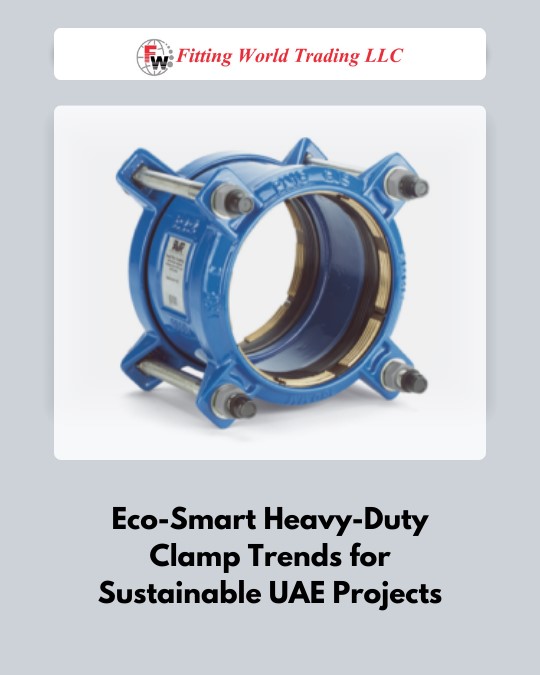
Eco-Smart Heavy-Duty Clamp Trends for Sustainable UAE Projects

The United Arab Emirates has become one of the world leaders in sustainable construction, alternative energy, and environmentally friendly infrastructure. Starting with high-rise towers in Dubai to large water treatment facilities in Abu Dhabi, every single element applied in these processes must support the national goal of sustainability.

Whereas the largest installations are usually considered large elements like solar panels or green concrete, heavy-duty clamps are just as important in terms of stability, safety, and long-term efficiency.

Clamshell heavy-duty clamps in 2025 will no longer be merely about strength and fastening but will be an embodiment of innovation, eco-friendly design, and intelligent engineering. This blog is about the recent advancements in clamp technology and how it can help in making sustainable projects in the UAE.

Why Heavy-Duty Clamps Matter in UAE Projects

Heavy-duty clamps may appear to be minor pieces of equipment, yet these clamps are vital in the connections of pipelines, supporting mechanical systems, and safety in construction, oil and gas, water desalination, and infrastructure industries.

In a place such as the UAE, whereby heat, humidity, and corrosive conditions are the order of the day, the outcome of the project greatly depends on the type of clamps used.

With the choice of eco-smart clamps, project managers can save on maintenance, waste, and product life cycles, which meet the Net Zero 2050 sustainability objectives of the country.

Trend 1: Sustainable Materials for Harsh Environments

The transformation into environmentally friendly alloys and corrosion resistant metals is one of the most powerful trends in 2025. Such materials make sure that clamps do not need to be replaced regularly due to extreme temperatures in the desert, salty coastal air, and high pressure.

An example is the double bolt clamp that is commonly used in industrial pipelines that carry water or chemicals. It has a strong framework which is currently being produced using sustainable alloys meaning that it will generate less waste in the long-term and the performance of the alloy is very good under pressure.

Trend 2: Faster, Smarter Installation

Large projects require efficiency. Clamps used by contractors are becoming more popular and are designed to be installed more quickly, thus reducing labor costs and proving to be less time-consuming.

An example is the hanging clamp. It finds application in plumbing and mechanical systems, and due to its streamline design, it is easier to fix pipes on the walls of the structure using fewer materials. This translates to a quicker installation and less environmental effects.

Trend 3: Lightweight Versatility for Multiple Applications

Modern projects require clamps that can adapt to different pipe diameters, handle varying levels of pressure, and remain easy to reuse when necessary.

The single bolt clamp is a perfect solution for such versatility. With its simple one-bolt design, it delivers reliable strength without excessive material usage, making it an excellent choice for sustainable and cost-efficient projects.

Trend 4: Leak-Free Systems for Water Conservation

The UAE faces a significant problem of water scarcity, and leak prevention is one of its priorities. Newer coupling and clamp systems are designed to provide airtight, durable seals to aid in water conservation in the context of municipal and industrial systems.

One solution is the ss straub clamp which offers a safe pipe fit that does not require welding. This not only saves energy, but also provides longevity in protecting against leaks.

The vj coupling has equally made extensive application in fire protection networks and HVAC networks and provides flexibility and durability which follow the sustainability goals of the UAE.

Trend 5: Smart Technology and Predictive Maintenance

As the UAE quickly adopts smart city technologies, including clamps are going digital. With IoT-enabled systems, now, it is possible to monitor clamp performance live, issue a notification when loosening is detected or when the pressure is exceeding safe levels.

This type of predictive lowers risks, increases the life of equipment, and eliminates expensive system downturns, in addition to providing more environmentally friendly, safer operations.

Practical Applications in UAE Projects

To understand these trends better, here are real-world applications of heavy-duty clamps in UAE industries:

  • Water Desalination Plants – High-pressure pipelines use the double bolt clamp to ensure leak-free performance under extreme loads.
  • Dubai High-Rises – Suspended piping systems rely on the hanging clamp for secure, sustainable installation.
  • Metro Projects – Infrastructure networks use the single bolt clamp for quick, reliable fastening with reduced material use.
  • Municipal Water Systems – Solutions like the ss straub clamp and vj coupling are essential in preventing leaks and maintaining long-term efficiency.

Trend 6: Supporting UAE’s Net Zero 2050 Vision

Net Zero 2050 in the UAE expects all construction materials and processes to be supportive of their sustainability. Manufacturers are replying by making clamps with recyclable metals, superior finishes to ensure durability, designs that consume less during manufacturing and installation.

When implementing these eco-smart advances in clamps, a contractor not only achieves compliance but a competitive advantage when realizing greener and more cost-effective projects.

Conclusion

The future of construction and infrastructure in the UAE is built on sustainability, and even the smallest components play a big role. From double bolt clamp solutions for high-pressure systems, to hanging clamp designs for suspended installations, and versatile options like the single bolt clamp, the industry is moving toward smarter, greener solutions.

Advanced technologies such as the ss straub clamp and vj coupling further ensure leak-free performance, reduced waste, and alignment with the UAE’s sustainability vision.

For contractors, engineers, and project managers seeking reliable and eco-friendly clamp solutions, Fitting World Trading LLC stands as a trusted supplier, delivering high-performance products designed to meet the demands of sustainable UAE projects.

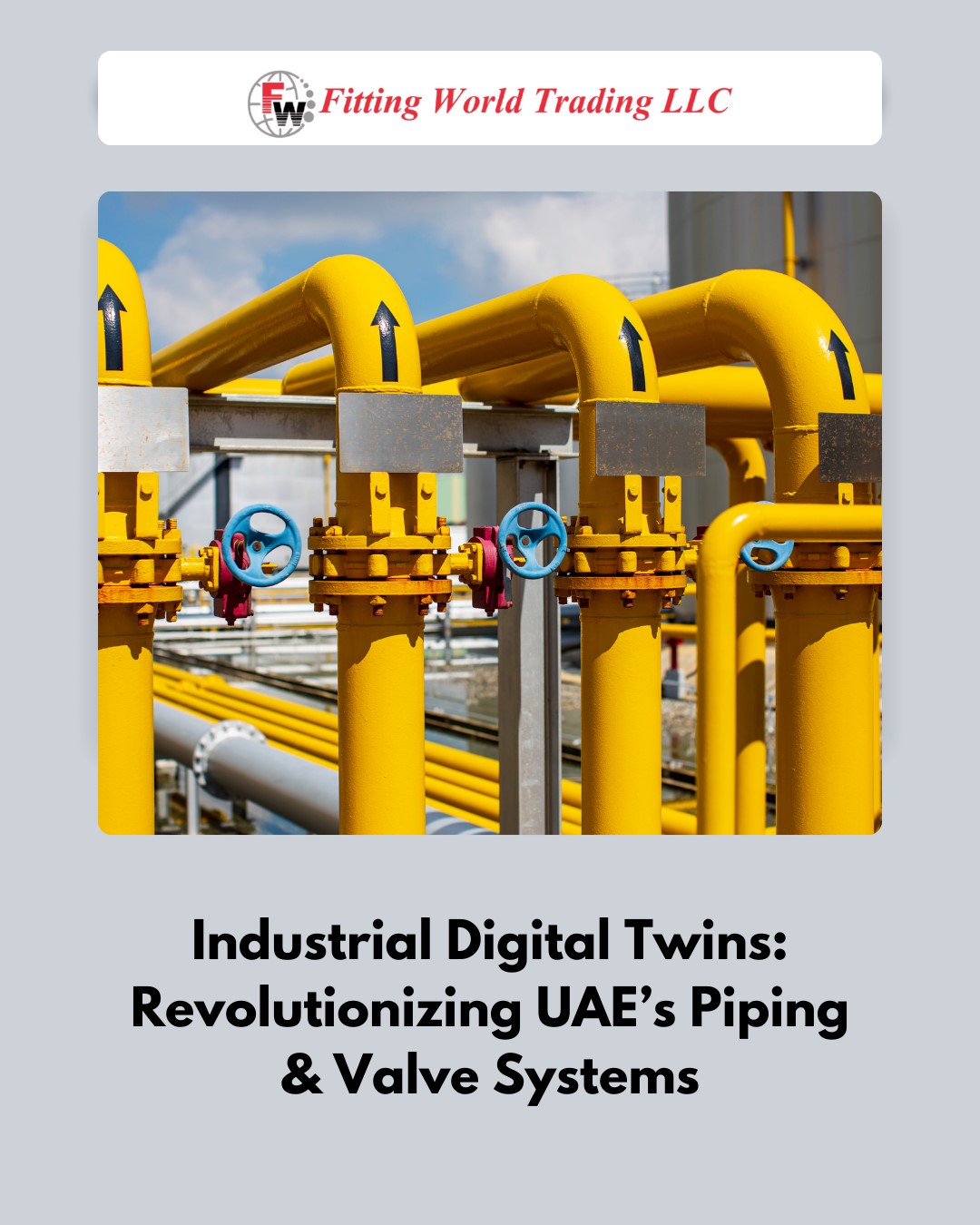
Industrial Digital Twins: Revolutionizing UAE’s Piping & Valve Systems

Almost every industrial activity in the UAE, whether oil and gas, power generation, marine, or construction depends on efficient piping networks. Today, these systems are being enhanced by digital twin technology, a virtual replica of physical assets that allows industries to monitor, simulate, and optimize performance in real time.

Just as a buttweld pipe fitting or a storm valve ensures reliability within a physical network, digital twins ensure the overall system performs safely and efficiently under all conditions.

In this article, we will highlight the essential aspects of digital twin technology in piping systems and how they are transforming operations across the UAE.

Why Digital Twins Matter in Industrial Piping

Industrial piping systems are lifelines for critical industries. Digital twins strengthen them by offering:

  • Safety – Identifying leaks, corrosion, and valve failures before they happen.
  • Efficiency – Streamlining fluid and gas transport with predictive adjustments.
  • Durability – Extending the life of components such as flange products.
  • Versatility – Applicable across sectors from petrochemical plants to marine facilities.

For example, gasket pipe fittings in Dubai can be virtually stress-tested to validate sealing performance, while expansion-joints use digital models to predict how joints will react to vibration and heat cycles.

Pipes: The Digital Foundation

Pipes form the core of every system. Digital replicas simulate how materials such as stainless steel and carbon steel react to pressure, temperature, and corrosion. This helps engineers ensure safe operations in offshore rigs, power plants, and manufacturing facilities.

Fittings: Reliable Connections in the Digital World

Fittings like barrel nipple fittings, buttweld pipe fittings, and threadolet fitting in Dubai are essential for system strength. Their digital versions help predict turbulence, pressure drops, and sealing reliability making sure the network operates smoothly.

Valves: Flow Control through Simulation

Valves regulate critical flows across industrial systems. Through digital twins, companies can simulate real-world stress on components such as ss ball valve, and air vent products.

Devices like the Ball Valve and Angle Valve become smart, predictive tools, ensuring that performance is reliable under extreme loads.

Flanges: Strong Joints with Digital Validation

Flanges connect critical sections of pipelines. With digital twins, suppliers can simulate high-pressure operations and verify performance before installation. Products offered by flange suppliers in Dubai combined with spiral wound gasket in Dubai deliver tight, leak-proof connections that are digitally proven for safety.

Expansion Joints: Flexibility Against Stress

Expansion joints absorb vibration and thermal expansion in pipelines. By testing expansion joints virtually, engineers can ensure longer life and stability in demanding environments such as marine and energy plants.

Safety Devices: Protecting Operations

Digital twin models simulate how safety devices respond during emergencies. For example, relief valves such as the Bronze Safety Valve or Bronze Safety Valve with Lever can be digitally tested to verify they release pressure effectively under high-risk scenarios.

How Digital Twins Integrate Components

The strength of digital twin technology lies in combining multiple parts into one monitored system:

  • Pipes provide the flow path.
  • Fittings shape and support the network.
  • Flanges and gaskets seal joints.
  • Expansion joints absorb stress.
  • Valves regulate and secure flow.
  • Devices like the Air Vent Head, Butterfly Valve, Check Valve, double regulating valves, and Duel Plate Check Valve are simulated to validate their long-term performance.

Together, they create a digital ecosystem that mirrors real conditions, allowing industries to make faster and smarter decisions.

Advantages of Digital Twin Technology

Adopting digital twins brings several benefits to UAE industries:

  • Durability – Components like elbow pipe fittings or stainless steel pipe fittings last longer under predictive maintenance.
  • Efficiency – Smooth flow reduces downtime and costs.
  • Safety – Early alerts from equipment like shut off valve in Dubai prevent accidents.
  • Cost-Effectiveness – Lower replacement and repair expenses.
  • Compliance – Meets UAE’s strict industrial and environmental standards.

Conclusion

Digital twin technology is transforming how industrial piping systems operate in the UAE. By creating virtual replicas of pipes, fittings, valves, and joints, businesses can predict failures, improve efficiency, and ensure long-term safety.

From bothwell fittings suppliers in Dubai to ss grease nipple applications, every component benefits from smart monitoring and virtual testing. This innovation makes piping systems stronger, safer, and more sustainable.

With Fitting World Trading LLC’s high-quality products and commitment to innovation, UAE industries can confidently embrace the digital twin revolution and secure their future with smarter infrastructure.

Sign Up to Receive Great Offers!