Offcanvas top

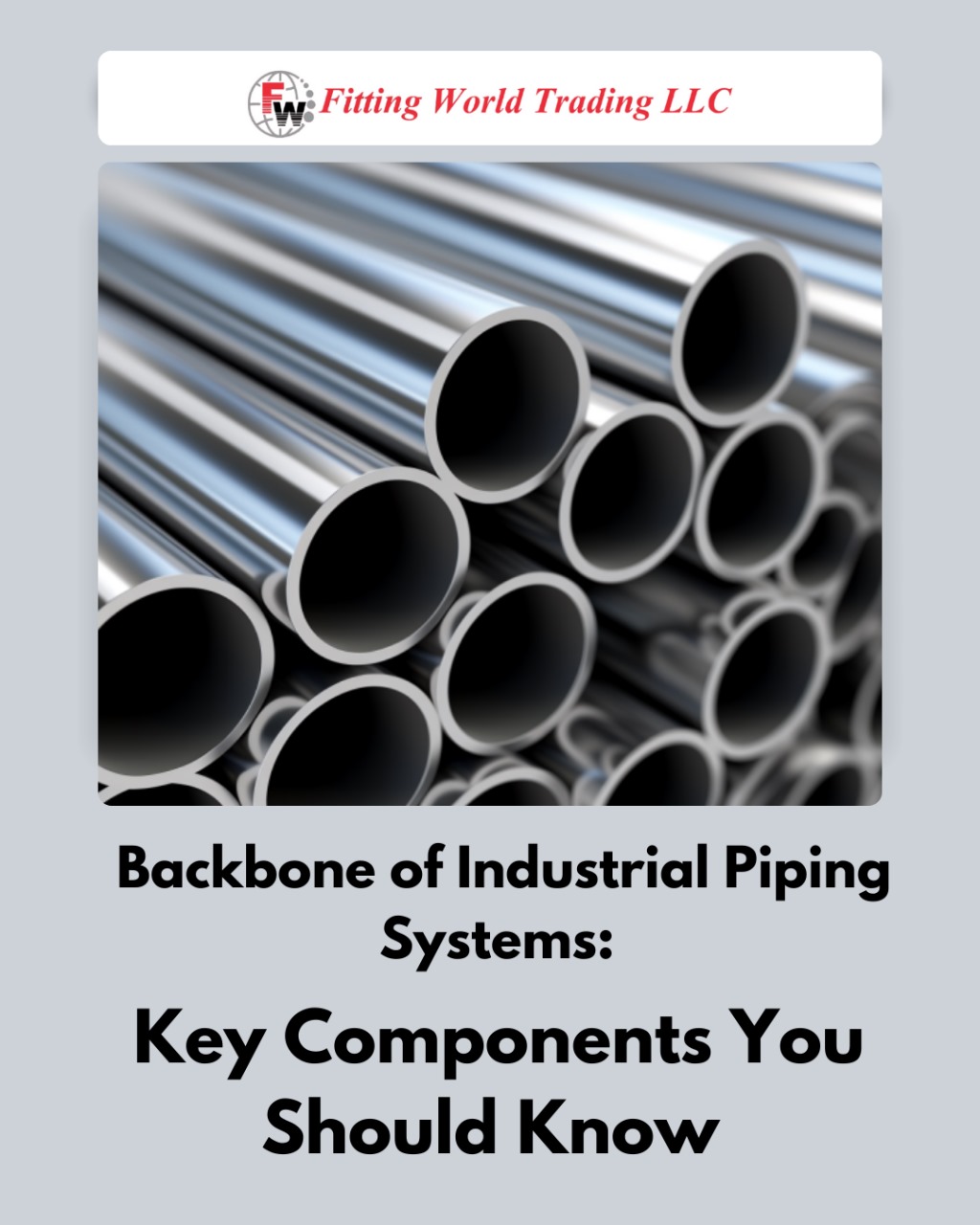
Backbone of Industrial Piping Systems: Key Components You Should Know

Almost every industrial activity, whether petroleum or natural gas, power generation, marine, or construction, has a common factor – an efficient and reliable piping system. Piping networks are usually referred to as the backbone of the industrial value chain as they provide the safe and consistent management of fluids, gases, and chemicals that keep everything functioning.

The success of a piping system does not come from the pipes alone, but from many different engineered parts that assist in connecting, sealing, controlling, and supporting the pipes. For example, a Buttweld Fitting or Marine Valve does not seem significant but they all contribute to the structural integrity, safety, and efficiency of the system.

In this article, we will highlight the essential components of industrial piping systems you must understand and how they contribute to seamless operations, regardless of industry.

Why Industrial Piping Systems Matter

Industrial piping systems are more than just a network of tubes; they are engineered lifelines that keep industries operating smoothly. Their importance lies in:

  • Safety: Preventing leaks, contamination, and system failures.
  • Efficiency: Supporting uninterrupted transport of fluids and gases.
  • Durability: Handling extreme pressure, temperature, and corrosive environments.
  • Versatility: Customizable to suit different industrial applications, from marine to petrochemical.

Understanding the individual components gives professionals an edge when it comes to designing, maintaining, or upgrading these systems.

Pipes: The Foundation of Every Piping System

Pipes are at the core of any piping system. They act as the main means of moving liquids, gases, and steam. Pipes can be made from different materials (like carbon steel, stainless steel, and PVC) depending on pressure rating, temperature rating, and corrosion resistance.

Whether offshore rig or food processing plant, the diameter, type of material and strength of pipe, are all chosen to ensure working safely and long term. Pipes of high quality ensure that operations are smooth and form the basis on which all other components are connected to.

Buttweld Fittings: Seamless Connections for Strength

Buttweld Fittings are among the most widely used connectors in industrial piping. Designed to create a smooth flow path, they reduce turbulence and pressure loss while enhancing overall system strength.

These fittings are welded directly onto pipes, which ensures a leak-proof and permanent connection. Available in various shapes like elbows, tees, reducers, and caps, they are ideal for industries that demand durability and precision. Their seamless construction makes them highly reliable for high-pressure and high-temperature applications.

Threaded Fittings: Easy Assembly and Maintenance

Threaded Fittings are a reasonable choice for systems that require flexibility, disassembly, or frequent inspection and maintenance. They are simply screwed together (as opposed to welded) and are perfectly suitable for piping that is small diameter with small pipe pressure.

Threaded fittings are used all the time in plumbing, as well as in chemical processing and in smaller industrial applications where the user benefits from ease of installation and reinstallation, or reuse.

Threaded fittings come in a range of materials, from stainless steel to brass, to suit a variety of different environments.

Flanges: The Strong Joints That Hold It Together

Flanges serve as critical connection points in piping systems, providing strength and flexibility. Bolted together and separated by gaskets, flanges are ideal for disconnections to enable inspection, repairs, or upgrading.

Commonly used types are weld neck, slip-on, blind and socket weld, which were all designed for certain operational conditions. Flanges often operate under high pressure, yet they allow the disassembly of the piping system. They are the ideal connection point in refineries, marine applications, and manufacturing facilities.

Expansion Joints: Flexibility Against Stress

Industrial piping systems generally deal with vibration, thermal expansion, and movement of the piping systems due to machines or situations external to the piping system. Expansion Joints provide a flexible section that absorbs movement caused by the aforementioned situations, while also preventing the piping system from damaging and extending its life expectancy.

Expansion joints can be made of rubber, metal, or composite materials and are made to be flexible so that they can operate dynamically.  Expansion joints are paramount in marine applications and power generation plants facing temperature changes or vibration loads of any kind.

Gaskets: Ensuring Leak-Proof Seals

Even the highest quality flanges and fittings will not work properly if Gaskets are not there to act as the sealing surfaces that will separate two surfaces. Gaskets are installed to fill in the microscopic space to prevent leakage while under high pressure and temperature.

Some examples of gaskets are: in the oil and gas industries, spiral wound gaskets; in water systems, rubber gaskets; the material will be based on the type of fluid, the pressure, and the operating temperature of the fluid. Without gaskets, piping or containment systems would leak or potentially be inefficient or even unsafe.

High Pressure Fittings: Built for Extreme Conditions

High Pressure Fittings are indispensable in industries where pressure is critical and fluids are being transported under very high pressure.

High pressure fittings are designed differently than standard fittings, especially in terms of wall thickness and form to accommodate very high operating conditions.

High pressure fittings play a critical role in systems ranging from petrochemical plants to hydraulic systems and facilities generating power.

By maintaining structurally sound connections in highly pressured systems, high pressure fittings provide system safety and less costly downtime.

Marine Valves: Precision Flow Control

For marine and offshore industries, Marine Valves are essential components that regulate and control the flow of liquids and gases. From ball valves to gate valves, they allow operators to start, stop, or regulate flow within complex piping systems.

Built to resist corrosion from seawater and extreme environments, marine valves are crafted from durable materials like bronze, stainless steel, and special alloys. Their precision and reliability make them indispensable for ensuring safe and efficient marine operations.

How These Components Work Together

What makes industrial piping systems so effective is not just the individual components, but how they integrate:

  • Pipes create the pathways.
  • Fittings (buttweld and threaded) shape and connect the system.
  • Flanges and gaskets create sealed joints.
  • Expansion joints absorb stress and prevent damage.
  • Valves regulate flow.
  • High pressure fittings ensure safety under extreme conditions.

Together, they form a network that is strong, flexible, and efficient enough to withstand demanding industrial requirements.

The Advantages of Using Quality Piping Components

Investing in high-quality piping components delivers significant benefits:

  1. Durability – Long-lasting performance under heavy workloads.
  2. Efficiency – Smooth flow with minimal leakage or downtime.
  3. Safety – Reduced risks of system failure or hazardous leaks.
  4. Cost-Effectiveness – Fewer replacements and repairs over time.
  5. Compliance – Adherence to international standards for industrial safety.

Conclusion

All industrial piping systems require the highest quality and compatibility of all technical components to ensure that the system is efficient and safe to operate.

Understanding the importance of Buttweld Fittings, Threaded Fittings, Flanges, Expansion Joints, Gaskets and High Pressure Fittings enables an industry to assess the right options when designing or upgrading their piping system. All of these components contribute to the performance of the piping system, decrease downtime and ultimately provide cost-savings long term.

A strong piping system is the backbone of any industrial operation. By selecting the right components, that backbone will be strong and permanent to last through any operations. The best Fitting World Trading LLC offers the highest quality products so industries can know that when they purchase from us, they are investing in the best components available for a robust industrial piping solution.
Flanges in Dubai: Trends, Innovations & Uses

Dubai’s rapid growth as a global hub for trade, infrastructure, and industry has created a high demand for durable, reliable, and efficient piping systems. At the heart of these systems lie flanges — the essential components that connect pipes, valves, and equipment in a secure yet serviceable way.

From oil & gas terminals to marine docks and skyscraper HVAC systems, flanges are used to ensure leak-proof performance, easy maintenance, and long-term safety. With evolving technologies and sustainability requirements, the flange industry in Dubai is adapting fast, offering new materials, designs, and smart solutions.

In this article, we’ll explore the trends shaping the flange market in Dubai, the different types available, and their varied applications — along with expert tips for choosing the right flange for your project.

What Are Flanges?

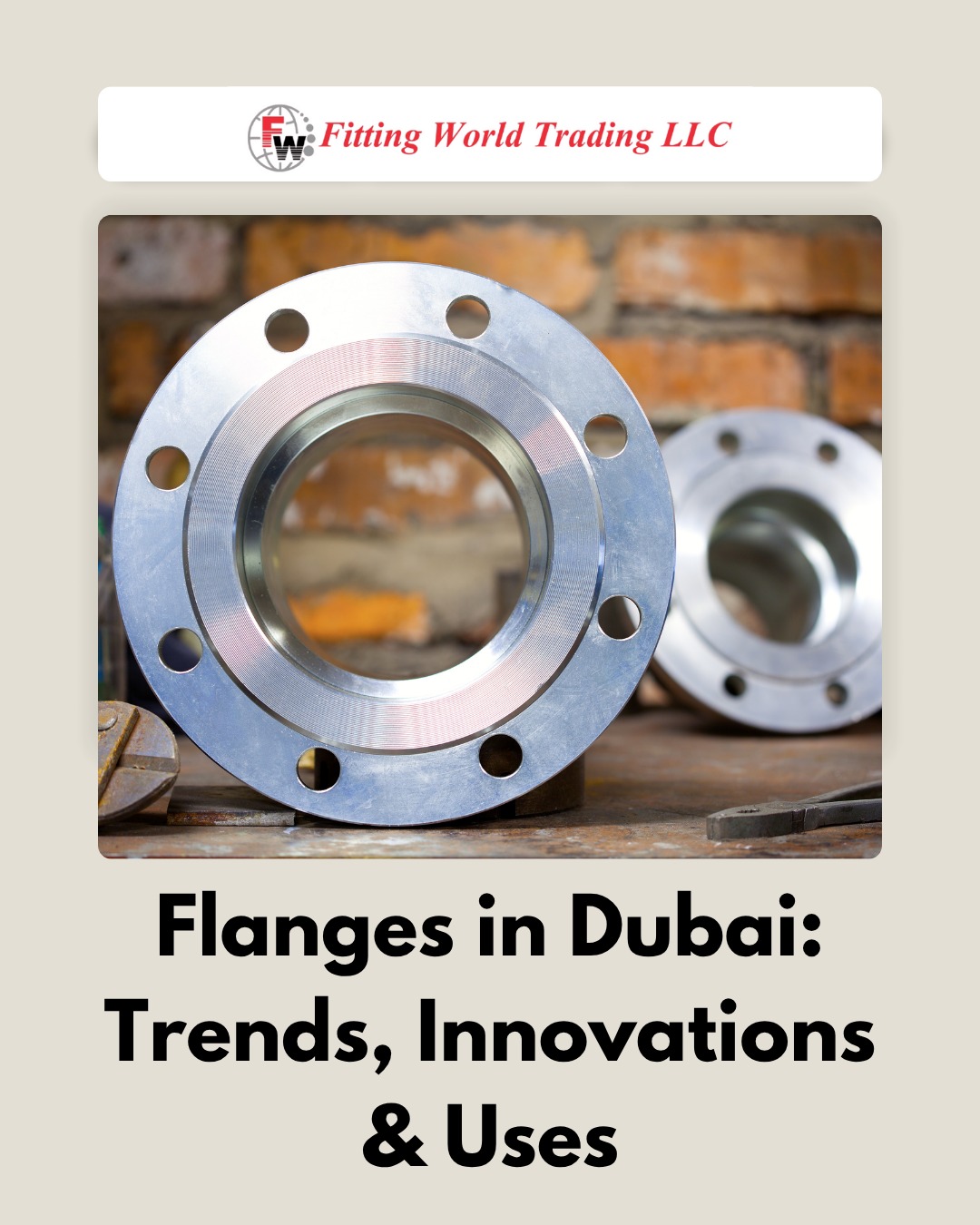
A flange is a mechanical joining method that enables pipes, pumps, and valves to be connected or disconnected without dismantling the entire system. They are usually bolted together with a gasket in between to prevent leaks.

What makes flanges so valuable is their combination of strength and accessibility. Unlike welded connections that are permanent, flanges allow easy inspection, cleaning, and modifications.

In Dubai’s climate — where infrastructure faces high temperatures, humidity, and in coastal areas, saltwater exposure — flanges must be made from high-performance materials such as stainless steel, carbon steel, alloy steel, or corrosion-resistant coatings to ensure durability and safety.

Types of Flanges Used in Dubai

Dubai’s diverse industries require a variety of flange designs to match operating pressures, temperatures, and environmental challenges.

  1. Blind flange – Closes the end of a pipeline or vessel; ideal for future expansions or inspection points.
  2. Lap joint flange – Works with a stub end and offers alignment flexibility; great for systems needing frequent dismantling.
  3. Slip on flange – Easy to install by sliding onto the pipe before welding; suited for low-pressure pipelines.
  4. Socket weld flange – Best for small-diameter, high-pressure lines, offering smooth flow inside the pipe.
  5. Spectacle flange – Consists of two plates, one solid and one with an opening, allowing sections to be isolated for maintenance.
  6. Threaded flange – Screws directly onto the pipe; used when welding is not an option.
  7. Weld neck flange – Features a tapered hub for high-pressure, high-stress applications.

Applications of Flanges

Flanges are used in almost every sector of Dubai’s economy:

  • Oil & GasWeld neck flange and blind flange dominate because they withstand extreme pressures and temperatures.
  • MarineLap joint flange provides quick alignment for systems in ships and offshore platforms.
  • ConstructionThreaded flange and socket weld flange connect HVAC, plumbing, and fire systems in high-rises.
  • Water TreatmentSlip on flange offers cost-effective, quick installations for municipal and industrial plants.
  • PetrochemicalSpectacle flange isolates sections of process lines without full shutdowns.

Trends in Flange Design and Supply in Dubai

1. Advanced Materials for Harsh Environments

Dubai’s climate and industrial requirements demand flanges made from materials like duplex stainless steel, superalloys, and coated carbon steel to resist corrosion, chemical damage, and extreme heat.

2. Precision Machining and Quality Control

CNC machining ensures tighter tolerances, smoother sealing surfaces, and improved leak resistance — essential in high-pressure oil, gas, and chemical applications.

3. Smart Flanges with Monitoring Sensors

Emerging designs now integrate IoT sensors to monitor temperature, vibration, and pressure, enabling predictive maintenance and minimizing downtime.

4. Sustainability and Green Building Alignment

Flange manufacturing is moving towards recyclable materials, low-energy forging, and environmentally responsible coatings in line with Dubai’s sustainability vision.

How to Choose the Right Flange

The wrong flange choice can mean costly repairs or unsafe operating conditions. Here is what to consider:

  1. Pressure & Temperature Rating – For high-pressure, high-heat systems, a weld neck flange or socket weld flange provides maximum strength.
  2. Material Compatibility – Match flange material to the pipeline and transported media to prevent corrosion.
  3. Maintenance NeedsLap joint flange or threaded flange are ideal for systems that require regular inspections.
  4. Budget & Life Cycle Costs – While a slip on flange is economical, a higher-grade material may provide better long-term value in demanding conditions.

Innovations in Flange Technology

  • Coated Flanges – Special epoxy or ceramic coatings extend service life in corrosive marine and chemical settings.
  • Integrated Gasket Systems – Built-in sealing elements reduce assembly time and improve leak prevention.
  • Custom Fabrication – 3D-printed prototypes allow engineers to test designs before full-scale production.

Dubai’s Growing Demand for Flanges

In Dubai, downtime costs are high, and quality standards are strict. Industries like oil & gas, desalination, marine, and construction all depend on dependable flanges to keep systems operational and compliant with both local and international standards.

Working with experienced suppliers ensures that you get products designed for the unique region climate and technical demands — whether that is a blind flange for a petrochemical facility or a lap joint flange for a marine installation.

Conclusion

Flanges are far more than just connectors — they are the foundation of safe, efficient, and maintainable piping systems across Dubai’s industries. From blind flange to weld neck flange, each type has its role in ensuring operational excellence, safety, and flexibility.

As trends move towards advanced materials, smarter monitoring, and eco-friendly manufacturing, Dubai’s flange market is set to keep pace with global innovations while meeting the citys high-performance needs.

For high-quality flanges, industry expertise, and tailored solutions, trust Fitting World Trading LLC — your reliable partner in delivering performance-driven piping components across Dubai and beyond.

How to Pick Reliable UAE Suppliers for CI Gate Valve PN6 for Your Project

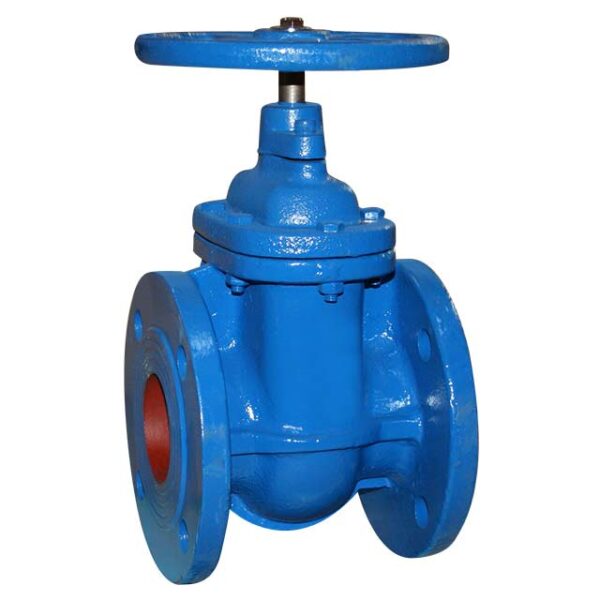
When your project requires CI Gate Valve PN6 components, finding reliable CI Gate Valve PN6 suppliers in the UAE becomes critical to ensuring smooth operations and long-term system reliability. The UAE’s industrial landscape offers numerous suppliers, but distinguishing between reliable partners and substandard vendors requires careful evaluation and strategic thinking.

Understanding CI Gate Valve PN6 Requirements

Cast iron gate valves with PN6 pressure rating serve essential functions in water distribution systems, industrial piping networks, and municipal infrastructure projects. These valves must withstand pressures up to 6 bar while maintaining reliable shut-off capabilities over extended periods. The PN6 designation indicates the nominal pressure rating, which directly impacts the valve’s application suitability and safety requirements.

Evaluating Supplier Credentials and Certifications

Reliable suppliers maintain proper certifications that demonstrate their commitment to quality and industry standards. Look for suppliers who hold ISO certifications, API approvals, and other relevant industry accreditations.

Product compliance documentation represents another crucial evaluation criterion. Reputable CI Gate Valve PN6 suppliers provide comprehensive documentation, including material certificates, pressure test reports, and compliance statements for relevant standards such as DIN, ANSI, or JIS specifications.

Supplier facilities and manufacturing capabilities also deserve careful examination. Established suppliers often maintain well-equipped warehouses, testing facilities, and quality control systems that ensure consistent product delivery.

Assessing Product Quality and Technical Support

Quality assessment goes beyond reviewing product specifications and certificates. Request samples or arrange facility visits to examine actual products firsthand. Pay attention to machining quality, surface finishes, gasket materials, and overall construction standards.

Technical support capabilities distinguish professional suppliers from basic distributors. Experienced CI Gate Valve PN6 suppliers in UAE employ qualified technical staff who can provide application guidance, troubleshooting support, and product recommendations based on your specific requirements.

Supply Chain Reliability and Local Presence

The UAE’s strategic location makes it an ideal hub for accessing global valve manufacturers while benefiting from local distribution networks. Established CI Gate Valve PN6 suppliers in the UAE often maintain relationships with multiple manufacturers, providing access to diverse product ranges and competitive pricing options.

Local presence offers significant advantages, including:

Faster Response Times: Local suppliers can respond quickly to urgent requirements, technical inquiries, and service requests.

Reduced Logistics Costs: Shorter transportation distances translate to lower freight costs and reduced delivery times.

Better Communication: Working in the same time zone facilitates better communication and project coordination.

After-Sales Support: Local suppliers can provide ongoing support, maintenance services, and replacement parts more efficiently.

Financial Stability and Long-Term Partnership Potential

Evaluate the financial stability and business reputation of potential suppliers. Established CI Gate Valve PN6 suppliers in the UAE typically have solid financial foundations, positive industry references, and proven track records with similar projects. Request customer references and follow up with previous clients to understand their experiences with the supplier.

Making the Final Selection Decision

Successful supplier selection requires balancing technical requirements, quality standards, service capabilities, and commercial considerations. Create evaluation criteria that reflect your project priorities and score potential CI Gate Valve PN6 suppliers in the UAE against these standards.

Why CS Angle in Dubai Is Still the Go-To Material for Steel Fabricators

The construction and steel fabrication industry in the UAE continues to experience remarkable growth, with Dubai at the forefront of architectural innovation and infrastructure development. Among the various structural materials available, CS Angle in Dubai remains a cornerstone choice for fabricators across the region.

Superior Strength and Durability Characteristics

The primary reason fabricators continue to choose CS Angle in Dubai lies in its exceptional mechanical properties. Carbon steel angles provide excellent tensile strength, typically ranging from 400 to 550 MPa, depending on the specific grade.

This strength enables structures to withstand significant loads while maintaining safety margins required by UAE building codes. The material’s durability proves especially important in Dubai’s challenging climate.

The combination of high temperatures, humidity, and occasional sandstorms creates demanding conditions for construction materials. Carbon steel angles, when properly treated and coated, demonstrate remarkable resistance to these environmental factors, ensuring long-term structural performance.

Cost-Effectiveness in Large-Scale Projects

Economic considerations play a crucial role in material selection for construction projects. CS Angle in Dubai offers an attractive balance between performance and cost, making it accessible for projects ranging from small-scale fabrications to massive infrastructure developments.

The material’s widespread availability in Dubai’s markets contributes to competitive pricing. Local suppliers maintain substantial inventories, reducing lead times and transportation costs. This accessibility translates to improved project timelines and budget predictability, factors that construction managers value highly.

Compliance with UAE Building Standards

The UAE has established stringent building codes and safety standards that all construction materials must meet. CS Angle in Dubai consistently satisfies these requirements, having been tested and approved for use in various structural applications.

Dubai Municipality and other regulatory bodies recognize carbon steel angles as suitable for both residential and commercial construction. This approval provides fabricators with confidence in their material choices and helps streamline the permitting process for new projects.

The material’s compliance extends to fire safety requirements as well. While steel structures require proper fire protection, CS angles provide predictable behavior under high-temperature conditions, allowing engineers to design effective fire safety systems.

Adaptability to Modern Construction Techniques

Contemporary construction methods in Dubai increasingly emphasize prefabrication and modular assembly techniques. CS Angle in Dubai adapts well to these approaches, supporting efficient off-site manufacturing and precise on-site assembly.

The material’s dimensional consistency enables fabricators to achieve the tight tolerances required for modern construction techniques. This precision reduces field adjustments and rework, contributing to improved project quality and reduced construction timelines.

Future Prospects and Sustainability

Dubai’s commitment to sustainable development and green building practices influences material selection decisions. CS Angle in Dubai supports these initiatives through its recyclability and potential for reuse in future projects.

The steel industry’s ongoing improvements in production efficiency and environmental impact reduction make carbon steel angles an increasingly sustainable choice. Local suppliers are implementing environmentally conscious practices, including improved recycling programs and energy-efficient processing methods.

Conclusion

CS Angle in Dubai maintains its position as the preferred structural material due to its proven performance, economic advantages, and adaptability to local construction requirements. As Dubai continues to grow and modernize, carbon steel angles will likely remain essential components in the city’s ongoing transformation.

Finding the Right Storm Valve Manufacturer in Dubai

Dubai stands as a global hub for industrial manufacturing and supply, making it home to numerous specialized valve manufacturers who serve diverse sectors. Storm valves play a critical role in protecting infrastructure from extreme weather conditions and pressure variations, particularly important in the UAE’s challenging climate.

Key Factors in Manufacturer Selection

Technical Expertise and Certification

Reputable storm valve manufacturers in Dubai maintain rigorous quality standards and hold relevant industry certifications. Look for manufacturers who comply with international standards such as API, ASME, and ISO certifications. Advanced manufacturing facilities equipped with modern testing equipment ensure product reliability and performance consistency.

Quality manufacturers invest in research and development to improve valve design and functionality. They employ qualified engineers who understand the specific challenges of Dubai’s industrial environment, including high temperatures, corrosive conditions, and demanding operational requirements. Manufacturers with strong technical backgrounds can provide customized solutions for unique applications.

Product Range and Customization Options

Leading storm valve manufacturers in Dubai offer comprehensive product lines that cover various pressure ratings, sizes, and materials. Standard configurations include flanged connections with pressure ratings from 5K to 10K, along with straight and angled variations to accommodate different installation requirements.

Material selection becomes crucial in Dubai’s harsh environment. Manufacturers should offer options in carbon steel, stainless steel, bronze, and specialized alloys depending on application needs. Customization capabilities allow manufacturers to modify standard designs for specific project requirements, ensuring optimal performance in unique operating conditions.

Manufacturing Standards and Quality Control

Production Processes

Modern storm valve manufacturers in Dubai employ advanced manufacturing techniques, including precision machining, automated welding, and computer-controlled assembly processes. Quality manufacturers maintain clean production environments with controlled atmospheric conditions to prevent contamination during manufacturing.

Testing procedures form an integral part of the manufacturing process. Hydrostatic testing, seat leakage testing, and operational testing ensure each valve meets specified performance criteria before shipment. Documentation accompanying each valve should include material certificates, test reports, and compliance statements.

Supply Chain Management

Reliable manufacturers maintain efficient supply chain networks to ensure consistent material quality and timely delivery. Local sourcing capabilities combined with international supplier relationships provide flexibility in material procurement while maintaining cost competitiveness.

Inventory management systems help manufacturers maintain adequate stock levels of common configurations while providing reasonable lead times for custom orders. Efficient logistics networks enable prompt delivery throughout the UAE and neighboring regions.

Service and Support Capabilities

Technical Support Services

Experienced storm valve manufacturers in Dubai provide comprehensive technical support throughout the product lifecycle. Application engineering services help customers select appropriate valve configurations for specific requirements. Installation guidance ensures proper valve installation and initial setup.

Maintenance support includes spare parts availability, repair services, and technical consultation for troubleshooting issues. Training programs for maintenance personnel help customers optimize valve performance and extend service life.

Market Considerations in Dubai

Dubai’s expanding industrial sector drives continued demand for quality storm valves across multiple industries. Infrastructure development projects, including smart city initiatives and renewable energy installations, create new opportunities for valve manufacturers.

The strategic location of Dubai as a regional trading hub makes it an attractive base for storm valve manufacturers in Dubai serving Middle Eastern and international markets. Free zone facilities offer additional advantages for manufacturers focusing on export markets.

Top 5 Qualities to Look for in an SS Ball Valve Supplier in UAE

Selecting the right SS ball valve supplier in the UAE can make or break your industrial project. Stainless steel ball valves are critical in controlling fluid flow across various industries, from oil and gas to water treatment facilities. When you need reliable components that can withstand harsh operating conditions, choosing a supplier with the right qualities becomes essential for your business success.

Experience and Industry Expertise

A reputable SS ball valve supplier should demonstrate extensive experience in the valve industry. Years of operation translate into a deep understanding of different applications, material specifications, and customer requirements. Experienced suppliers have encountered various challenges and developed solutions that benefit their clients. They understand the unique demands of the UAE’s industrial landscape, including extreme temperatures, corrosive environments, and stringent safety standards.

Look for suppliers who have worked with companies in your specific industry. Oil and gas operations require different valve specifications than pharmaceutical or food processing applications. An experienced supplier can guide you toward the most suitable products for your particular needs.

Comprehensive Product Range and Quality Standards

Quality should never be compromised when selecting valves for critical applications. A reliable supplier maintains strict quality control measures throughout their supply chain. They source materials from certified manufacturers and conduct thorough testing before delivery. Ask potential suppliers about their quality certifications, such as ISO standards, and request documentation that proves compliance with international specifications.

Product variety matters equally. Your chosen SS ball valve supplier in the UAE should offer different sizes, pressure ratings, and connection types. Whether you need flanged, threaded, or welded connections, a comprehensive inventory ensures you can source all required components from a single supplier, streamlining your procurement process.

Technical Support and Engineering Services

Technical expertise separates excellent suppliers from average ones. Professional suppliers employ qualified engineers who can provide valuable consultation during the selection process. They help customers choose the right valve specifications based on operating conditions, media characteristics, and performance requirements.

Technical support extends beyond initial selection. Reliable suppliers offer installation guidance, troubleshooting assistance, and maintenance recommendations. When problems arise, having access to knowledgeable technical staff can prevent costly downtime and ensure optimal valve performance throughout their service life.

Inventory Management and Delivery Capabilities

Industrial projects operate on tight schedules, making timely delivery crucial for project success. A dependable SS ball valve supplier in the UAE maintains adequate inventory levels to meet urgent requirements. They understand that equipment failures don’t follow convenient schedules, so they keep commonly used valve sizes and configurations readily available.

Efficient logistics and delivery systems demonstrate supplier reliability. Look for suppliers with established distribution networks that can deliver products to various locations across the UAE promptly. Some suppliers offer emergency delivery services for critical situations, which can be invaluable when unexpected equipment failures occur.

Reputation and Customer References

Industry reputation speaks volumes about supplier reliability and performance. Research potential suppliers by checking their track record with previous customers. Customer testimonials and case studies provide insights into supplier capabilities and service quality.

Professional associations and certifications indicate a commitment to industry standards and best practices. Membership in relevant trade organizations demonstrates the supplier’s dedication to staying current with industry developments and maintaining professional standards.

Why Sounding Cock Bronze is Essential for Marine Applications in UAE

The maritime industry forms a crucial backbone of the UAE economy, from commercial shipping to luxury yachting and offshore operations. Vessels operating in the Arabian Gulf face unique challenges due to high salinity levels, elevated temperatures, and occasional severe weather conditions.

Among the critical components ensuring vessel safety and operational integrity, sounding cock bronze UAE fittings stand out as essential equipment that experienced marine engineers and vessel owners must properly understand and maintain.

What Exactly Is a Sounding Cock?

Sounding cocks serve as specialized valves installed on tanks containing various fluids aboard marine vessels. Their primary function involves allowing crew members to measure liquid levels in tanks while preventing unwanted discharge. The design typically features a bronze body with a tapered plug that can be opened momentarily for level checking and then securely closed to maintain the vessel’s watertight integrity.

Professional marine suppliers in the sounding cock bronze UAE market offer various configurations to accommodate different tank types, pressure requirements, and specific vessel needs. The precision manufacturing of these components directly impacts vessel safety and compliance with maritime regulations applicable in UAE waters.

Why Bronze Remains the Superior Material Choice

Bronze has established itself as the preferred material for sounding cocks due to several advantageous properties that prove particularly valuable in the harsh marine environment of Arabian Gulf waters. The exceptional corrosion resistance of marine-grade bronze prevents deterioration when exposed to saltwater, preventing premature failure that could lead to dangerous leaks or inaccurate readings.

The thermal stability of bronze also makes it ideal for vessels operating in the UAE, where extreme temperature variations occur between night and day operations. Quality-sounding cock bronze UAE components maintain consistent performance regardless of these thermal fluctuations. Additionally, bronze exhibits excellent wear resistance, ensuring the valves maintain proper sealing capability even after years of regular operation.

Common Applications in UAE Maritime Operations

Throughout UAE ports and marinas, vessels employ sounding cocks across numerous critical systems. Fuel tank sounding plays a vital role in proper weight distribution and voyage planning. Ballast tank systems rely on accurate measurements to maintain vessel stability in varying sea conditions common along the UAE coastline. Freshwater, wastewater, and lubricating oil tanks all require reliable monitoring capabilities that properly manufactured bronze-sounding cocks provide.

The offshore oil and gas industry, a significant sector in the UAE economy, depends heavily on specialized vessels with enhanced sounding cock bronze systems designed for extended operations in challenging environments. These applications often require custom specifications that reputable local suppliers have developed expertise in fulfilling.

Maintenance Considerations for Extended Service Life

Professional vessel maintenance in UAE waters must include regular inspection and servicing of all bronze-sounding cocks. Marine engineers recommend checking for smooth operation, secure closure, and signs of dezincification—a specific type of corrosion affecting certain bronze alloys in seawater. Proper maintenance procedures include gentle cleaning, lubrication with marine-grade greases, and inspection of sealing surfaces.

Sourcing Quality Components in the UAE Market

Marine procurement specialists operating in the UAE should prioritize suppliers with proven experience providing genuine marine-grade bronze components. Reliable sounding cock bronze UAE suppliers maintain proper certification documentation, including material composition analysis and pressure test results for each component. Industry professionals recommend examining the cast markings on bronze components, which typically indicate the specific alloy composition and manufacturing standards followed.

How to Identify a Quality Safety Valve in the UAE Market

Regarding industrial equipment and systems in the UAE, safety must always remain the top priority. Safety valve installations play a crucial role in preventing catastrophic failures by releasing excess pressure from systems before dangerous situations develop. The UAE’s rapid industrial growth has created a market flooded with various safety valve options, making it challenging for buyers to distinguish quality products from substandard ones.

Understanding Certification Standards

Quality safety valves in UAE markets should comply with international and local certification standards. Reputable valves carry certifications from recognized bodies such as API (American Petroleum Institute), ASME (American Society of Mechanical Engineers), or ISO (International Organization for Standardization).

UAE authorities require compliance with specific regulations, especially for valves used in oil and gas applications. When examining a safety valve store, look for clear marking of these certifications directly on the valve body or documentation.

Considerations for Material Quality

The harsh environmental conditions in the UAE demand that safety valve facilities be manufactured from appropriate materials. Quality valves use corrosion-resistant alloys like stainless steel, bronze, or specialized materials, depending on the application. The high temperatures and sometimes corrosive environments present in UAE industries require materials that maintain integrity under extreme conditions.

When examining valve construction, check for smooth finishes on all components, consistent coloration in metal parts, and proper alignment of movable elements. Quality valves feel solid and well-balanced when handled, with no looseness in connecting parts. Manufacturers who use superior materials typically highlight the specific alloys in their product specifications, allowing buyers to match valve materials to their particular application requirements.

Evaluating Manufacturer Reputation

Reputable suppliers of safety valves in UAE markets have established track records of quality and reliability. Research the manufacturer’s history, looking for companies with substantial experience in valve production. Many quality valve manufacturers maintain offices or distribution centers within the UAE to provide direct support to customers.

Speaking with other professionals in your industry about their experiences with different valve brands provides valuable insights unavailable through marketing materials. Industry forums and trade associations often discuss reliable suppliers of safety valves in industrial settings, offering real-world performance data that helps inform purchasing decisions.

Pressure Rating Accuracy

Every quality safety valve comes with clear pressure ratings appropriate for its intended application. The pressure at which the valve activates should match specifications precisely. Valves should carry permanent markings indicating their pressure ratings, typically expressed in bar or psi.

Professional suppliers will help customers determine the correct pressure ratings for specific applications rather than simply selling the most expensive options. They understand that incorrectly rated safety valve systems can create dangerous situations through either premature activation or failure to release at appropriate pressures.

Examining Valve Design Features

Quality valves incorporate design features that enhance reliability and longevity. Look for features like guided disc movement, which improves stability during operation. Self-draining body designs prevent fluid accumulation that could lead to corrosion or freezing. Manufacturers of premium safety valves in markets often incorporate additional features such as test levers that allow regular operational verification without disrupting system pressure.

The Role of Mud Boxes in Efficient Drainage Systems

Effective drainage systems remain a critical infrastructure component across the UAE’s diverse landscapes, from urban developments to industrial facilities. The region’s unique climate presents specific drainage challenges, including occasional intense rainfall that can quickly overwhelm standard systems.

Sand and sediment management becomes particularly important in this environment, where fine particles can rapidly accumulate and compromise drainage efficiency. Quality components from a reliable mud box supplier play an essential role in creating sustainable drainage solutions that function effectively under local conditions.

What Are Mud Boxes and Why Do They Matter

Mud boxes serve as specialized sediment traps installed at critical points within drainage systems. They capture and contain sand, silt, debris, and other solid materials before they can enter and potentially damage or clog the main drainage network.

A properly designed mud box creates a settlement area where water velocity decreases, allowing heavier particles to drop out of suspension. Working with an experienced mud box supplier ensures access to products specifically engineered for the region’s unique soil composition and weather patterns, maximizing system longevity and performance.

Key Benefits for Construction and Maintenance

Construction projects throughout the Emirates benefit significantly from properly implemented mud box systems. By effectively capturing sediment and preventing it from entering the main drainage channels, mud boxes reduce maintenance frequency and extend the operational life of the entire drainage infrastructure.

Maintenance teams appreciate how well-designed mud boxes simplify cleaning operations, with many modern designs featuring removable baskets for quick sediment disposal. Professional mud box suppliers can recommend optimal designs based on specific project requirements and anticipated maintenance schedules.

Material Considerations for Longevity

The harsh environmental conditions in the UAE demand drainage components built to withstand extreme heat, occasional water exposure, and potentially corrosive elements. Leading mud box suppliers in UAE firms offer products manufactured from various materials, including reinforced concrete, polymer concrete, fiberglass, and heavy-duty plastics. Each material presents different advantages in terms of strength, weight, chemical resistance, and cost-effectiveness. Working with knowledgeable suppliers helps project managers select the most appropriate material for each specific application, maximizing long-term performance while optimizing initial investment.

Integration with Modern Drainage Design

Contemporary drainage systems in the UAE increasingly incorporate sustainable designs that manage water more efficiently while minimizing environmental impact. Mud boxes play a vital role in these advanced systems by preventing contaminated sediment from entering natural waterways or groundwater.

Many progressive mud box suppliers now offer products specifically designed to complement sustainable drainage approaches, including systems that facilitate water harvesting or controlled groundwater recharge. The best suppliers provide technical consultation to ensure mud boxes integrate seamlessly with both traditional and innovative drainage designs.

Compliance with UAE Regulations

Drainage infrastructure throughout the Emirates must adhere to strict regulatory standards established by municipal authorities and environmental agencies. Professional mud box suppliers in UAE firms maintain current knowledge of these regulations and supply products that meet or exceed all applicable requirements.

Properly certified mud boxes help project managers avoid compliance issues that could result in costly delays or modifications. Working with established suppliers ensures that all drainage components will satisfy regulatory inspections while delivering optimal performance under local conditions.

Why Bronze Sounding Cocks Are Preferred in Shipbuilding

Maritime vessels of all sizes require precise monitoring systems to measure liquid levels in various tanks. At the heart of many such systems sits a humble yet crucial component, the sounding cock.

Sounding cock bronze fittings have maintained their prominence in shipbuilding despite technological advances, offering reliability that modern alternatives struggle to match. Across UAE shipyards, from Dubai Maritime City to Abu Dhabi Ship Building, naval architects continue specifying bronze variants for both traditional and cutting-edge vessel designs.

Understanding Sounding System Fundamentals

Before exploring material benefits, understanding basic functionality helps us appreciate why material selection matters so significantly. Sounding cocks serve as controlled access points to tanks containing fuel, water, waste, and other critical fluids. When crew members need to verify tank levels, they open the sounding cock bronze valve, insert a measuring tape or electronic device, and obtain accurate readings of current fluid levels.

The precision engineering of these components ensures that measurement operations can proceed without risk of leakage or contamination. Quality-sounding cock bronze fittings feature precisely machined threads, pressure-tested seals, and durable operating mechanisms designed to withstand thousands of operational cycles under demanding maritime conditions.

Bronze’s Superior Corrosion Resistance in Marine Environments

Marine environments represent among the most challenging conditions for metal components. Constant exposure to salt water, varying temperatures, and galvanic interactions create aggressive corrosion scenarios. Sounding cock bronze material excels under these demanding circumstances due to its copper-tin alloy composition, which naturally forms a protective surface patina.

For vessels operating in the warm Gulf waters surrounding the UAE, where elevated temperatures accelerate corrosion processes, bronze components offer particular advantages. Shipyards across the region recognize that the initial higher cost of sounding cock bronze fittings translates to significant long-term savings through extended service life and reduced maintenance requirements.

Mechanical Properties Optimized for Maritime Applications

Beyond corrosion resistance, bronze offers an ideal combination of mechanical properties for maritime valve applications. Sounding cock bronze components exhibit excellent wear resistance, maintaining precise tolerances even after years of operation in vibration-intensive engine rooms.

Bronze also demonstrates impressive pressure resistance capabilities, maintaining structural integrity under the fluctuating pressures common in vessel tank systems. For UAE-flagged vessels operating internationally, including extended voyages through various climate zones, the consistent performance of sounding cock bronze fittings regardless of temperature fluctuations provides reliability that captains and engineers depend upon.

Antimicrobial Properties for Critical Systems

An often overlooked advantage of bronze in marine applications involves its natural antimicrobial properties. Sounding cock bronze fittings naturally resist biological growth and biofilm formation, a significant benefit in potable water and sanitary systems. The copper content in bronze continuously releases ions that inhibit microbial colonization, maintaining system hygiene with minimal chemical treatment.

For passenger vessels and luxury yachts constructed in UAE facilities, this characteristic proves particularly valuable in ensuring water quality standards throughout extended voyages. Where plastic or stainless alternatives might harbor biological contamination, bronze components actively resist such growth, promoting system cleanliness and passenger health.

Heritage and Reliability in Modern Shipbuilding

Maritime traditions value proven reliability developed through centuries of practical experience. Sounding cock bronze components represent one such tradition that continues based on genuine performance advantages rather than mere convention. Modern UAE shipbuilders blend cutting-edge design with time-tested material selections, recognizing where traditional choices offer genuine superiority.

Sign Up to Receive Great Offers!